 Skip to content
ENT Endoscopy Cart Solutions for High-Frequency Clinical Workflows
Designed for multi-device GI endoscopy setups, with optimized layout, stable monitor support, and efficient cable management for high-frequency clinical use.
TL;DR – ENT Endoscopy Cart Requirements
- ENT systems are high-frequency setups used for rapid examination and minor treatment procedures
- Typical setups include endoscope, camera system, light source, monitor, and additional tools such as suction or irrigation devices
- These environments require fast device access, efficient layout, and smooth workflow transitions between patients
- Poor cart design can lead to workflow delays, cluttered setups, and reduced operational efficiency
Recommended direction:
- Workflow-oriented cart configurations designed for high-frequency use
- Multi-device integrated setups with quick access and organized layout
What Is ENT Endoscopy?

ENT endoscopy refers to a range of diagnostic and minor treatment procedures used to examine the ear, nose, and throat in fast-paced clinical environments.
In real clinical use, it is not a single device, but a coordinated setup where multiple devices work together:
- Endoscope
- Camera system
- Light source
- Monitor
- Suction or irrigation devices
- Supporting cart
This creates a workflow-driven system where fast access to devices, smooth transitions between procedures, and efficient layout are critical for daily operation.
System Setup Overview
A typical ENT endoscopy setup is designed to support high-frequency examinations and rapid treatment workflows, where each component contributes to fast access, efficient operation, and smooth transitions between patients.

Endoscope
Used for quick examinations and minor procedures
Designed for frequent use across multiple patients

Camera System
Processes real-time imaging for immediate diagnosis
Supports fast response during high-volume workflows

Light Source
Provides stable illumination for short and continuous procedures
Ensures consistent visibility without interruption
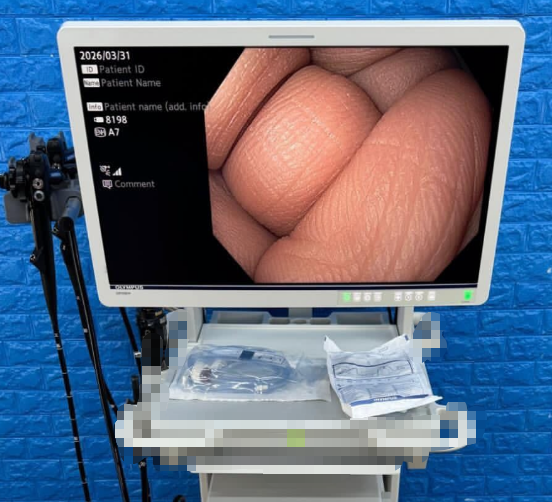
Monitor
Displays live images for quick reference
Positioned for easy viewing without constant adjustment
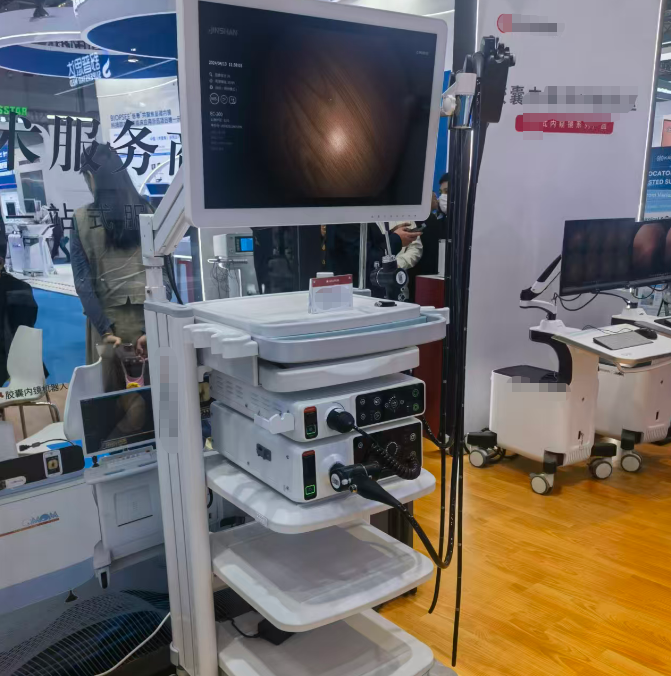
Cart
Organizes multiple devices for fast access
Enables efficient workflow transitions between procedures
Supports continuous operation in busy clinical environments
Together, these components form an efficiency-driven workflow:
The endoscope examines → the system processes → devices assist → the monitor displays → and the cart enables fast access and smooth workflow transitions
The cart is not just a support structure — it acts as a workflow management platform that directly impacts efficiency, accessibility, and overall system performance in ENT environments.
What Makes ENT Endoscopy Systems Different?
ENT endoscopy systems are designed for high-frequency clinical workflows, where efficiency, speed, and accessibility are more critical than precision-focused control.
1. High-Frequency, Continuous Use
ENT procedures are performed repeatedly throughout the day, often in busy outpatient settings.
- Systems must support continuous operation without delays
- Equipment needs to be ready for immediate use between patients
- Workflow interruptions directly impact efficiency and patient throughput

2. Workflow-Driven Operation
Unlike precision-focused specialties, ENT systems prioritize smooth and fast procedural flow.
- Devices must be easily accessible without repositioning
- Layout should support quick transitions between examination and treatment
- Efficient workflow is more important than complex positioning adjustments

3. Multi-Device Integration
ENT setups typically involve more auxiliary devices within a single system.
- Suction, irrigation, and treatment tools are commonly integrated
- Multiple devices must be organized within limited space
- Poor integration can lead to cluttered setups and operational delays

4. Fast Device Access and Switching
ENT procedures often require switching between tools within seconds.
- Equipment must be within immediate reach
- Delays in access can interrupt workflow
- Systems should minimize unnecessary movement or adjustment

5. Efficiency in Busy Clinical Environments
ENT procedures are often conducted in high-volume clinics or shared rooms.
- Systems must support fast patient turnover
- Layout should reduce setup and reset time
- Efficient organization improves overall clinical productivity

Compared to Other Endoscopy Systems
Unlike pulmonology or urology setups that emphasize precision control and positioning accuracy, ENT systems focus more on workflow efficiency, rapid device access, and continuous operation in high-frequency environments.
What Challenges Do Buyers Face in ENT Systems?
Common issues that affect workflow efficiency, device accessibility, and operational speed in ENT clinical environments.

Workflow Delays Between Procedures
Reduces patient throughput and overall efficiency
ENT environments require rapid transitions between examinations and treatments.
If the system setup takes too long to reset or adjust, it can slow down patient flow and reduce clinic efficiency.

Difficult Access to Devices
Interrupts smooth operation and increases handling time
ENT procedures often require quick switching between tools such as endoscopes, suction, and treatment devices.
If equipment is not easily accessible, operators may experience delays and unnecessary movement during procedures.

Cluttered Multi-Device Setup
Leads to inefficient workflow and increased complexity
ENT systems typically involve multiple devices within a limited space.
Without proper organization, setups can become cluttered, making it harder to manage equipment efficiently.

Inefficient Workflow Layout
Slows down operation and increases operator fatigue
If devices are not arranged according to workflow sequence,
operators may need to repeatedly adjust or reposition equipment, reducing overall efficiency.

Frequent Setup Adjustments
Disrupts continuous operation in high-frequency environments
ENT systems are used continuously throughout the day.
If the cart requires frequent repositioning or adjustment, it can interrupt workflow and reduce operational consistency.
Most challenges in ENT systems are not caused by lack of precision,
but by inefficiencies in workflow design, device accessibility, and system organization.
What Type of Cart Works Best for ENT Applications?vvvvvvvvvvvvvvvvvvvvvvvvvvvvvvv
Not all standard carts are suitable for high-frequency ENT workflows.
ENT setups require efficient device access, organized multi-device integration, and smooth workflow transitions in busy clinical environments.

Open & Accessible Layout → Enables Fast Operation
- Allows quick access to frequently used devices
- Reduces time spent reaching or adjusting equipment
- Supports rapid examination and treatment workflows
Multi-Device Integration → Supports Complete Procedures
- Accommodates suction, irrigation, and treatment tools
- Keeps multiple devices organized within a single system
- Reduces clutter and improves operational efficiency

Quick-Access Monitor Setup → Improves Workflow Speed
- Positioned for immediate viewing without frequent adjustment
- Supports fast-paced procedures with minimal interruption
- Reduces unnecessary movement during operation

Efficient Workflow Layout → Minimizes Delays
- Devices arranged according to usage sequence
- Reduces repeated repositioning between steps
- Improves overall clinical efficiency
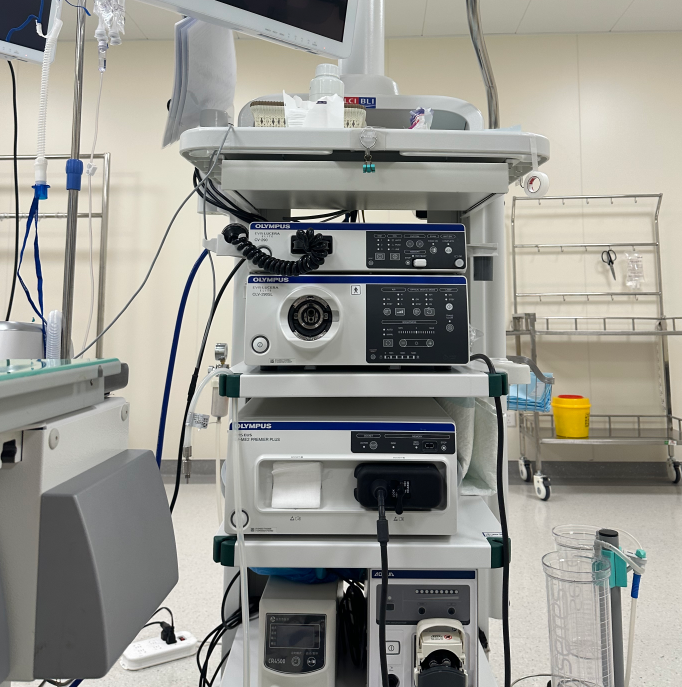
Organized Cable Management → Keeps Workflow Smooth
- Prevents cable clutter in multi-device environments
- Ensures clean and structured setup
- Reduces interference during rapid operation
The ideal ENT cart is not defined by precision or structural complexity,
but by how efficiently it supports fast workflows, device accessibility, and continuous operation.
Recommended Setup Direction (Guidance, Not Selection)
This guide helps you identify a suitable setup direction based on real ENT workflow conditions.
It focuses on improving efficiency, accessibility, and workflow continuity in daily clinical use.
Suggested Direction Based on ENT Workflow Scenarios
| Your Situation | Typical ENT Scenario | Suggested Direction |
| High-volume ENT clinic | Frequent examinations, rapid patient turnover | Open-access cart with quick device reach and minimal adjustment |
| Multi-device ENT setup | Endoscope + suction + treatment tools | Integrated cart with organized multi-device layout and cable management |
| Compact consultation room | Limited space, continuous use | Space-efficient cart with clean structure and easy access design |
| Procedure-focused ENT room | Combined diagnostic and minor procedures | Workflow-oriented cart with logical device positioning and quick transitions |
| Distributor / OEM project | Customized ENT solutions for different clinics | Modular cart system designed for workflow flexibility and device integration |
How to Choose the Right Direction
- Focus on workflow efficiency, not just structural design
- Consider how quickly devices can be accessed and switched during use
- Prioritize layout logic over pure adjustability
- Ensure the setup supports continuous, high-frequency operation
ENT setups require a balance between device accessibility, workflow efficiency, and organized system integration — rather than positioning precision alone.
How to Customize for Your ENT Setup
Most ENT setups require customization to improve workflow efficiency, device accessibility, and smooth operation in high-frequency clinical environments.
What Usually Needs to Be Customized
Device Accessibility & Layout
- ENT procedures require quick access to multiple tools (endoscope, suction, treatment devices)
- If devices are not within easy reach → delays and workflow interruptions
- Layout should follow actual usage sequence to minimize unnecessary movement
Workflow-Oriented Arrangement
- Equipment should be positioned based on procedure flow, not just available space
- Poor workflow design → repeated adjustments and slower operation
- Logical arrangement improves efficiency and reduces operator fatigue
Multi-Device Organization
- ENT setups often involve several devices working together
- Without proper organization → cluttered workspace and reduced efficiency
- Structured integration keeps the system clean and easy to manage
Cable Management for Continuous Use
- Multiple devices increase cable complexity
- Poor cable routing → obstruction and workflow disruption
- Organized cable paths support smooth, uninterrupted operation
Compact but Efficient Structure
- ENT rooms are often space-limited but high-frequency use environments
- Overly bulky carts → restrict movement and slow down procedures
- Compact design should still allow easy access and fast operation
Quick-View Monitor Position
- Monitor should be immediately visible without frequent adjustment
- Reduces unnecessary movement during procedures
- Supports continuous, fast-paced clinical use
Tell us about your ENT setup — we can help design a workflow-optimized cart solution tailored to your clinical needs.
FAQ – ENT Endoscopy Cart Setup
In basic setups, yes.
However, ENT environments often involve frequent examinations and quick device switching.
Standard carts may not provide efficient access, organized layouts, or smooth workflow transitions required for high-frequency use.
Focus on workflow efficiency and device accessibility.
Ensure that frequently used tools are easy to reach and logically positioned.
A well-designed layout can significantly reduce handling time and improve clinical efficiency.
ENT procedures often involve continuous patient flow and rapid transitions between tasks.
If the setup is not optimized, even small delays in accessing devices can disrupt the entire workflow.
Yes, most ENT carts are designed to support various endoscopy systems.
However, compatibility should also consider device arrangement, space usage, and cable organization — not just mounting or size.
Customization becomes important when the setup involves multiple devices, high patient volume, or specific workflow requirements.
A tailored configuration can improve efficiency, reduce clutter, and support smoother daily operation.
Take Action Today
Get free standard model recommendations, custom cart plans, and inventory availability directly from the factory.
