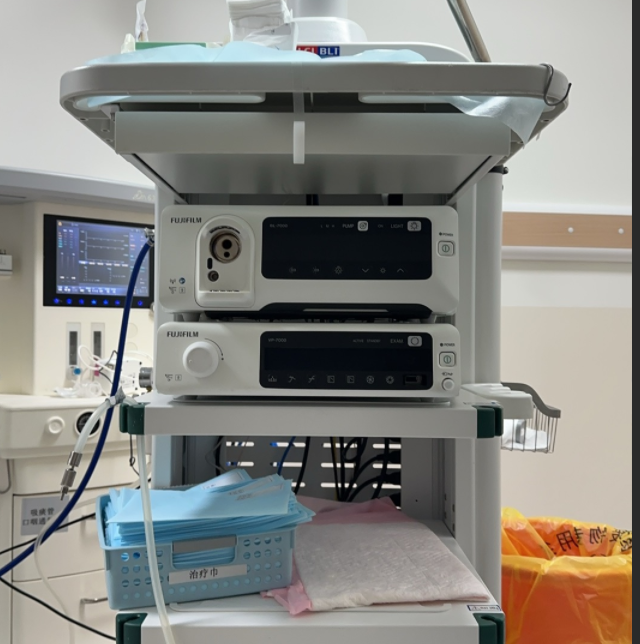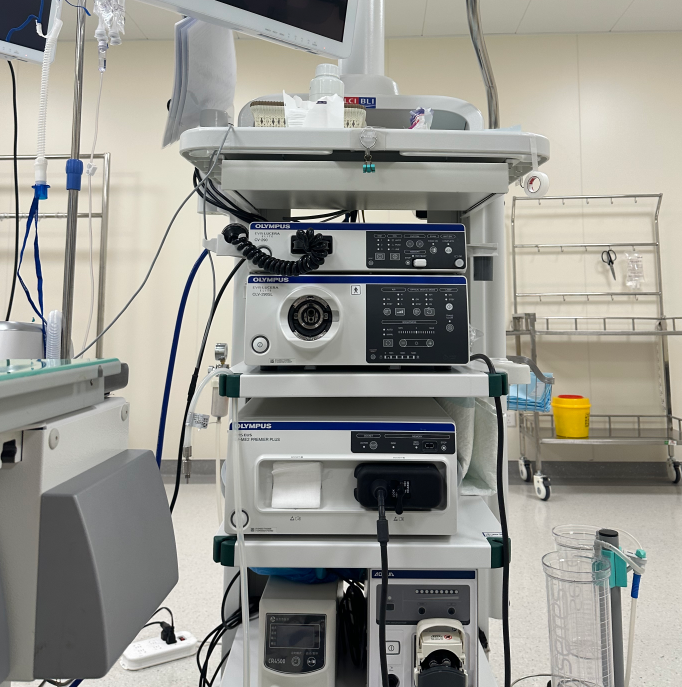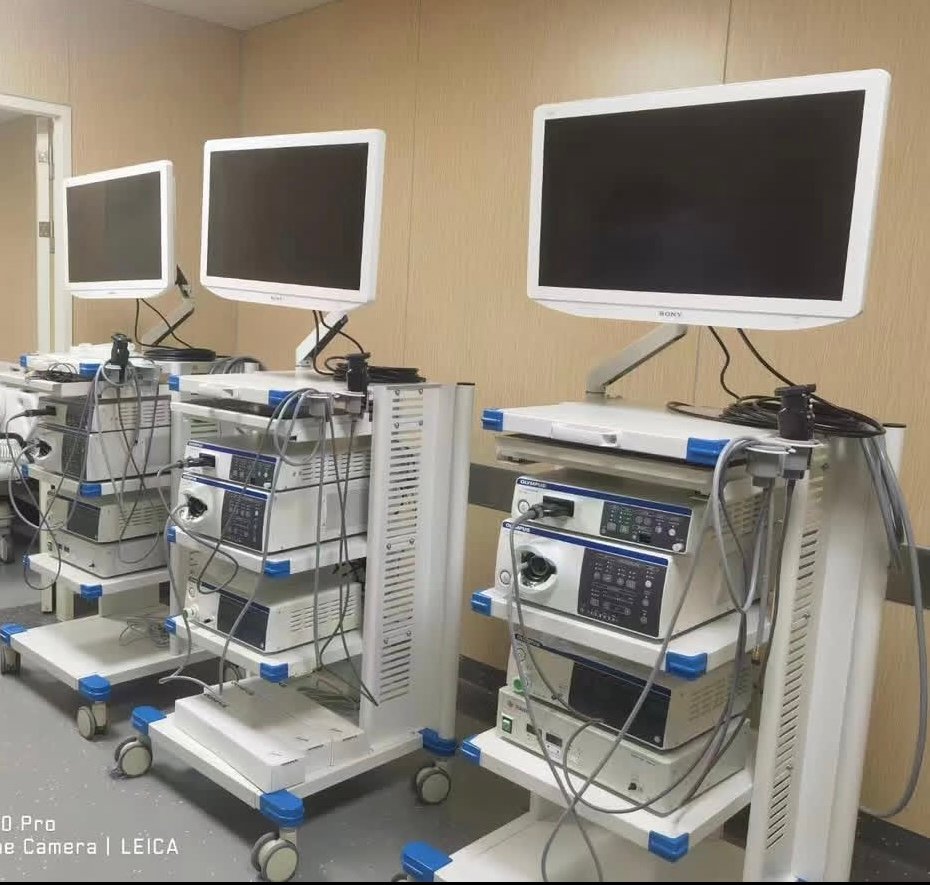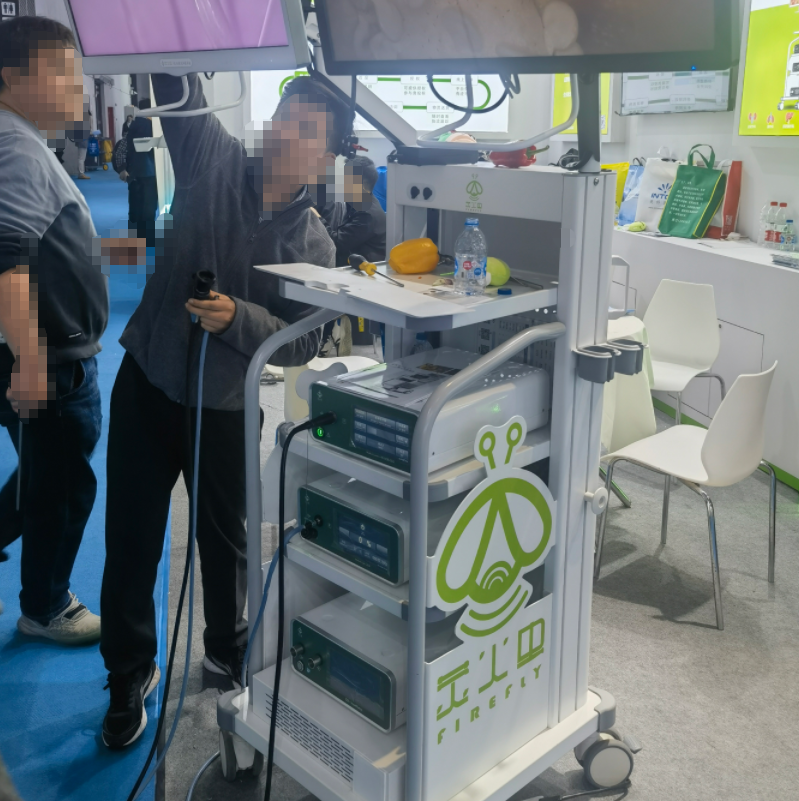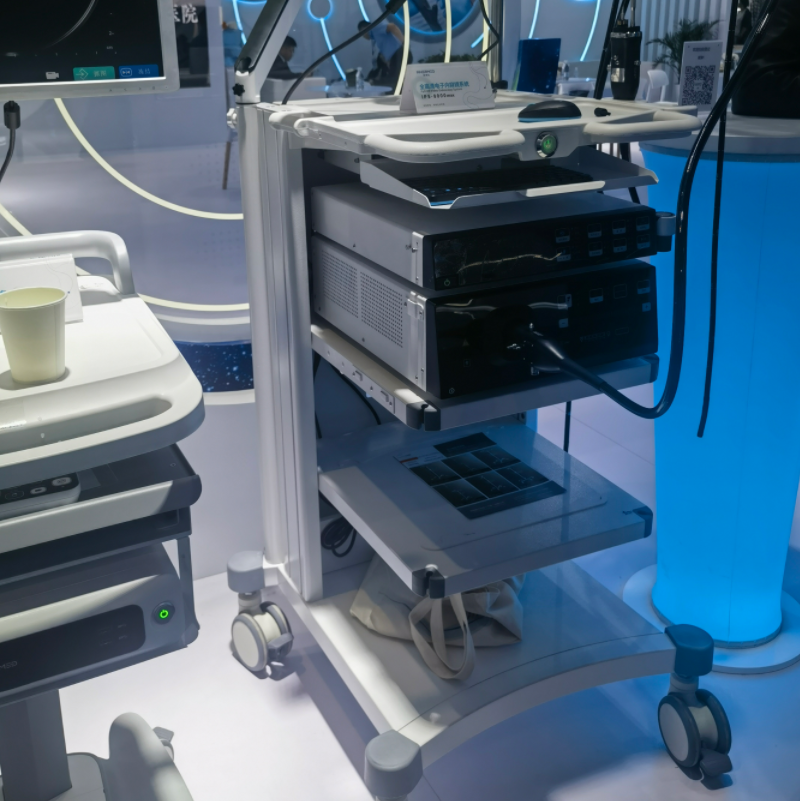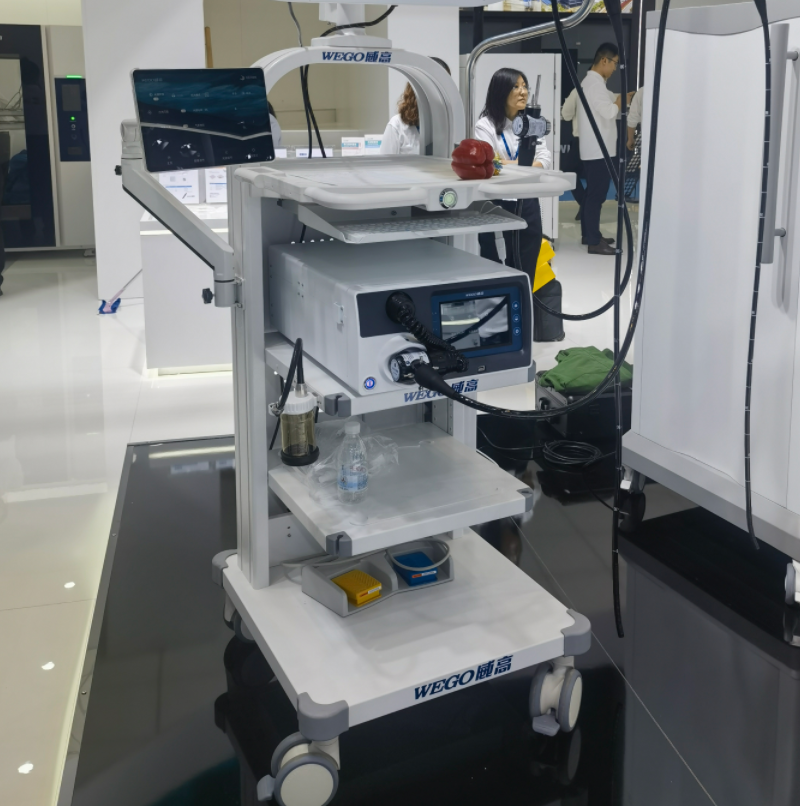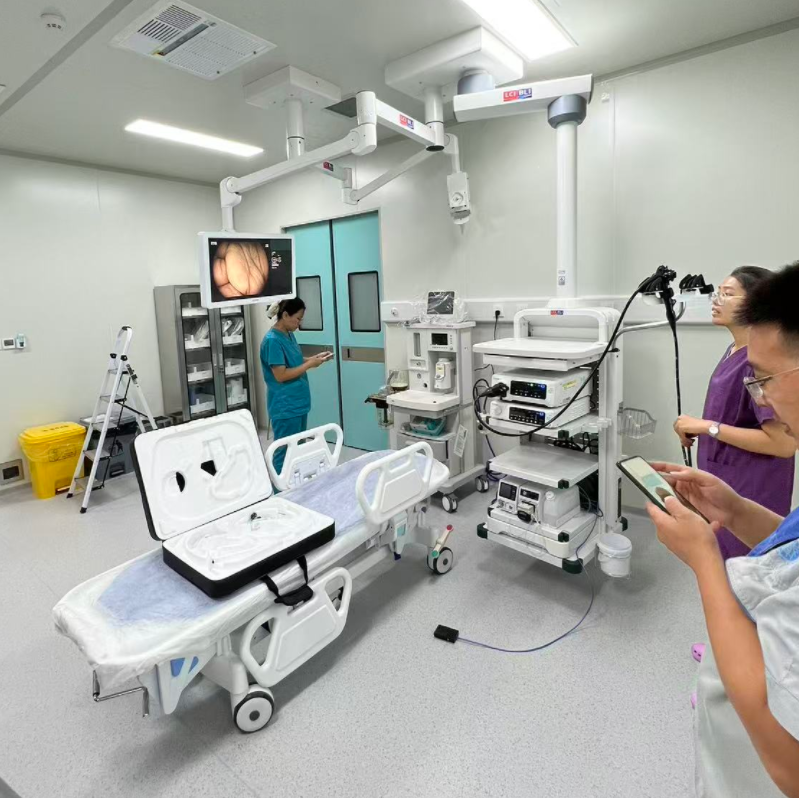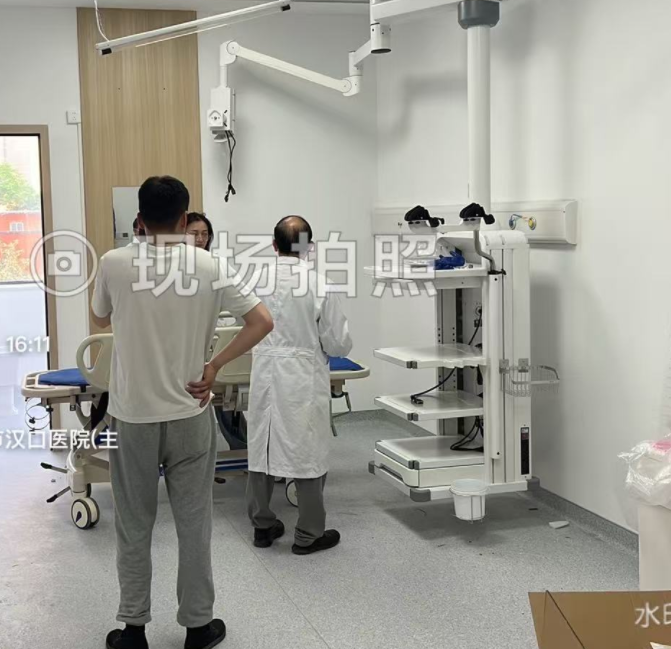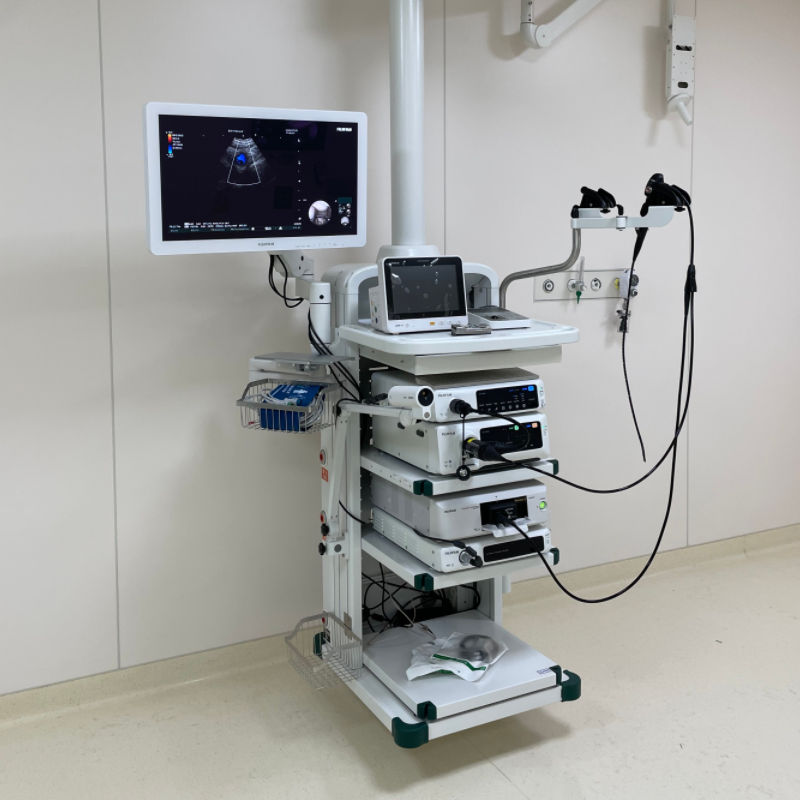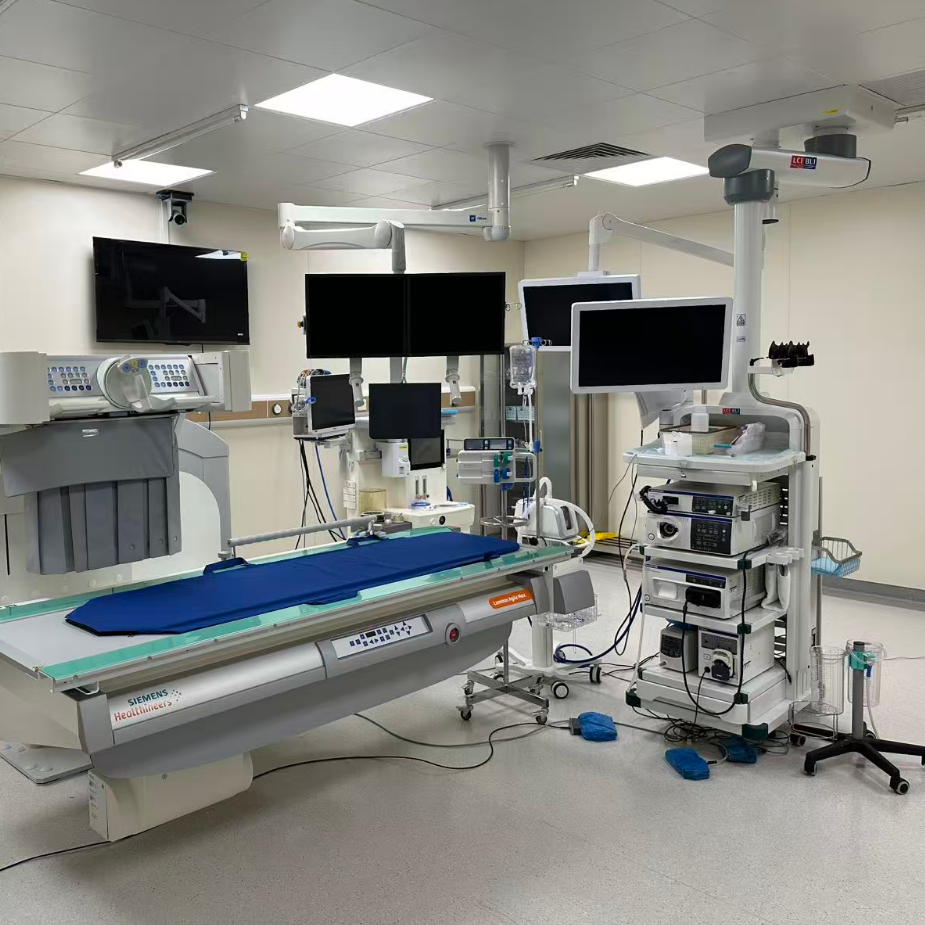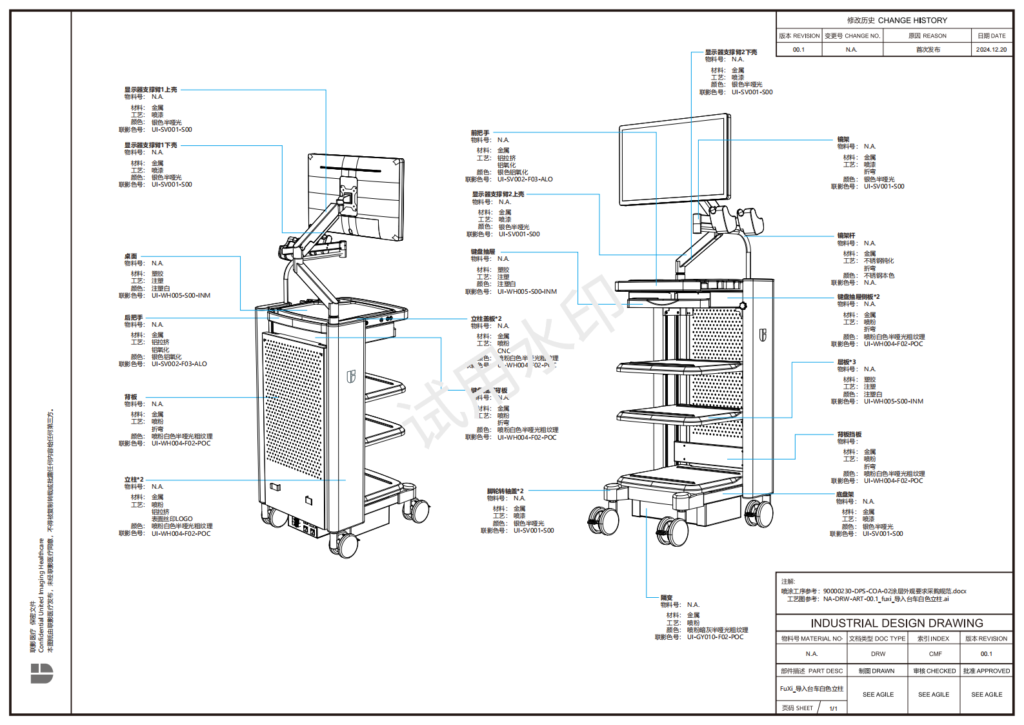

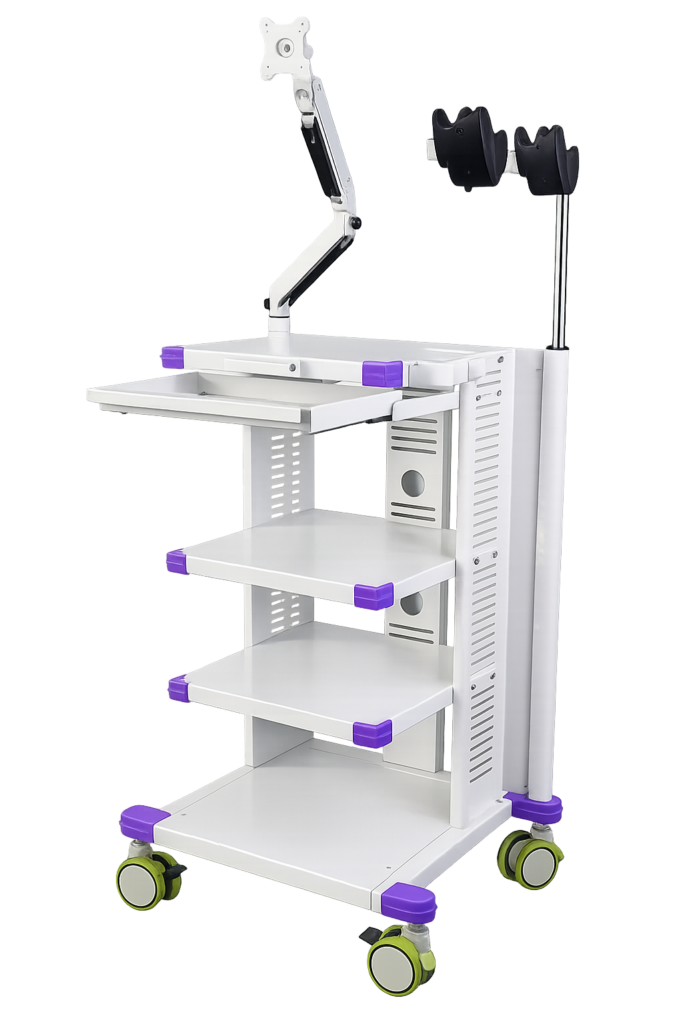
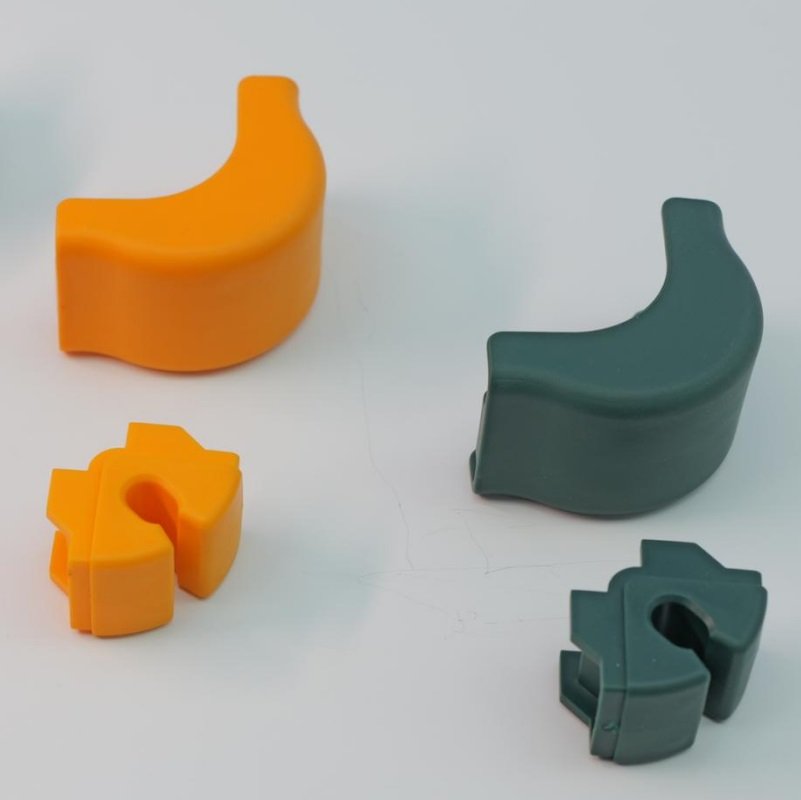
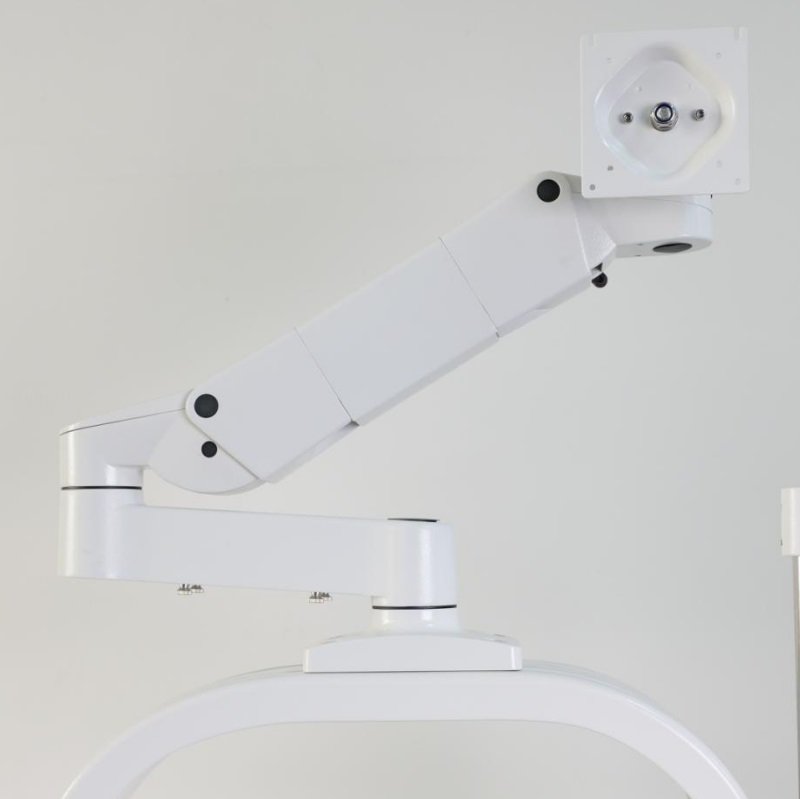
Endoscopy Cart Manufacturer & Supplier for Hospitals and Medical Distributors

Customizable endoscopy cart systems designed for clinics, hospitals, and medical OEM projects.
OEM & Custom Endoscopy Cart Solutions Available

TL;DR – Endoscopy Cart Overview

A quick overview of endoscopy cart types, configurations, applications, and customization options.

Endoscopy Cart Configurations

Designed to support different endoscopy system setups—from routine procedures to complex multi-device environments.

Standard Configuration

For routine endoscopy setups with essential equipment

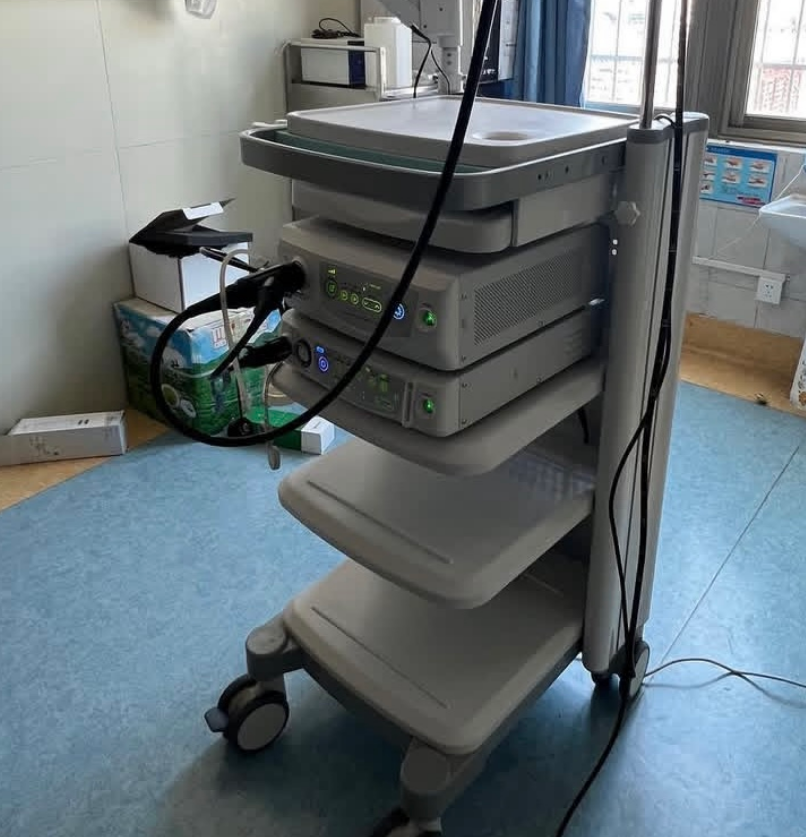
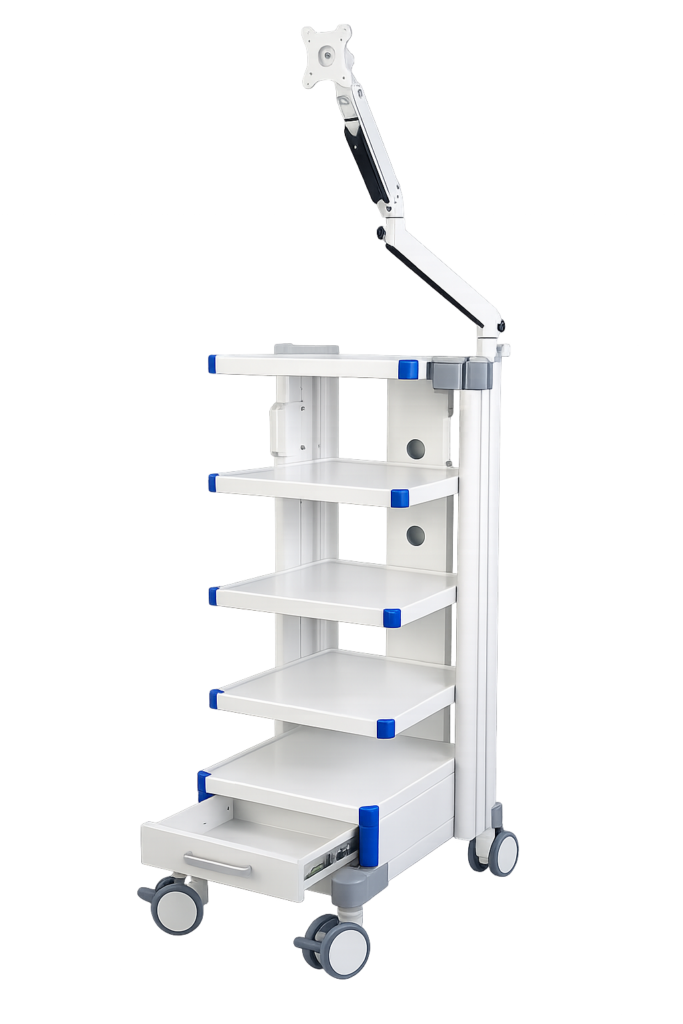
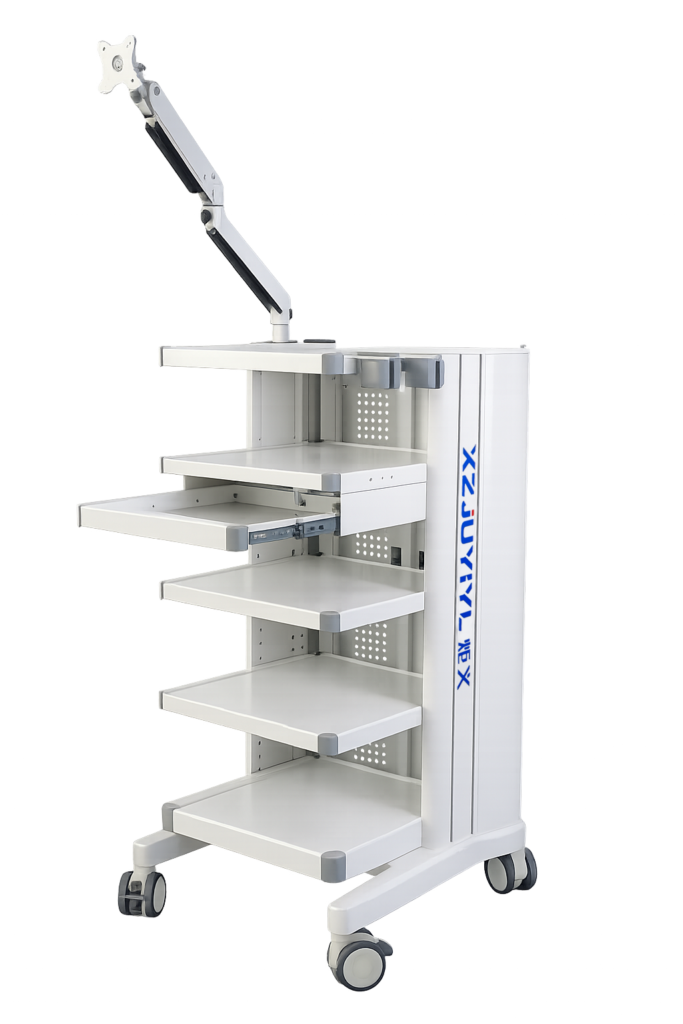
JY-15 hospital medical endoscopy cart by Juyi Medical with monitor arm and multi-layer storage shelves

Standard Multi-Layer Endoscopy Cart – JY-15

Best for: daily procedures and standard hospital setups
Supports: flexible and mixed endoscopy systems
Typical applications: gastroenterology, ENT, outpatient rooms

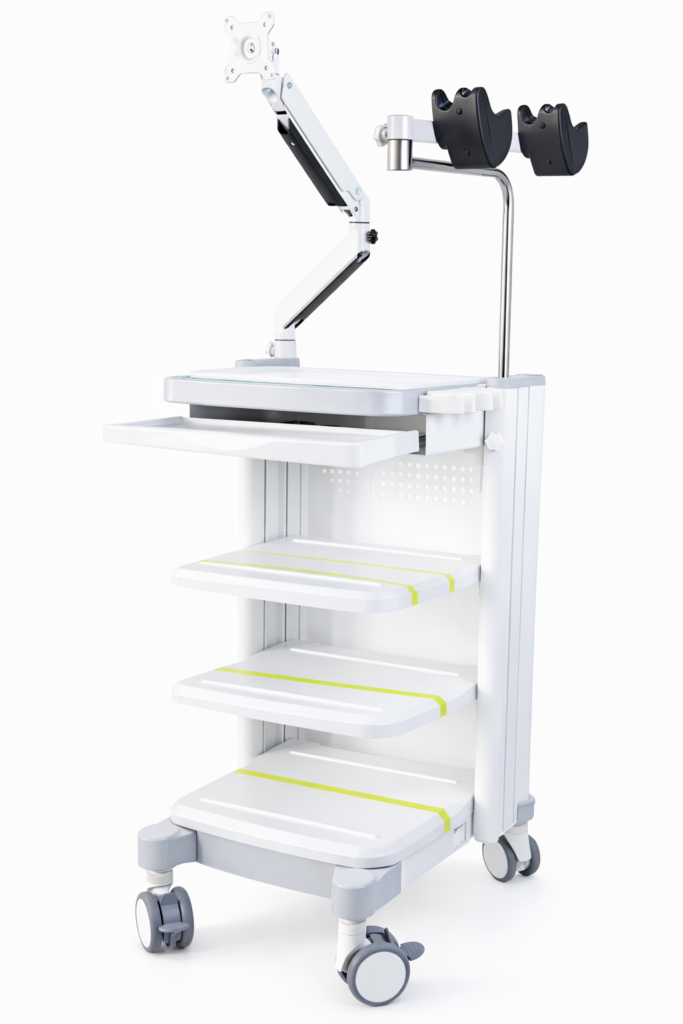
JY-10 medical endoscopy cart by Juyi Medical designed for rigid endoscope systems with stable structure and storage shelves

Rigid Endoscopy Cart for Surgical Use – JY-10

Best for: rigid endoscope equipment setups
Supports: stable placement of stacked surgical devices
Typical applications: ENT, urology, operating rooms


Multi-Device Configuration

Designed for integrated systems with multiple devices and coordinated workflows

JY-18 medical endoscopy cart by Juyi Medical for flexible endoscope systems with monitor arm and storage shelves

Endoscopy Cart for Multi-Device Systems – JY-18

Best for: setups combining processor, light source, and multiple accessories
Supports: organized integration of core devices and auxiliary components
Typical applications: gastroenterology systems, bronchoscopy rooms

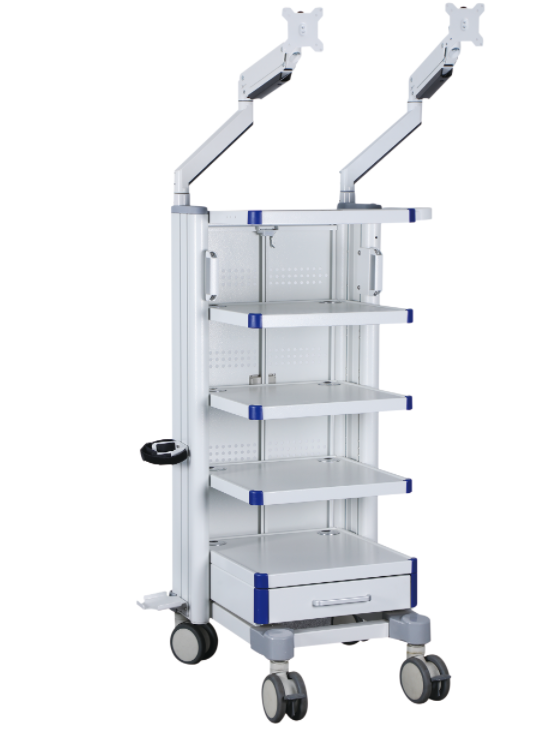
Dual Monitor Endoscopy Cart – JY-10-2

Best for: procedures requiring dual-screen visualization
Supports: synchronized display for improved workflow efficiency
Typical applications: operating rooms, ENT, multi-device environments


Advanced / Modular Systems

Built for complex environments requiring flexibility and long-term scalability

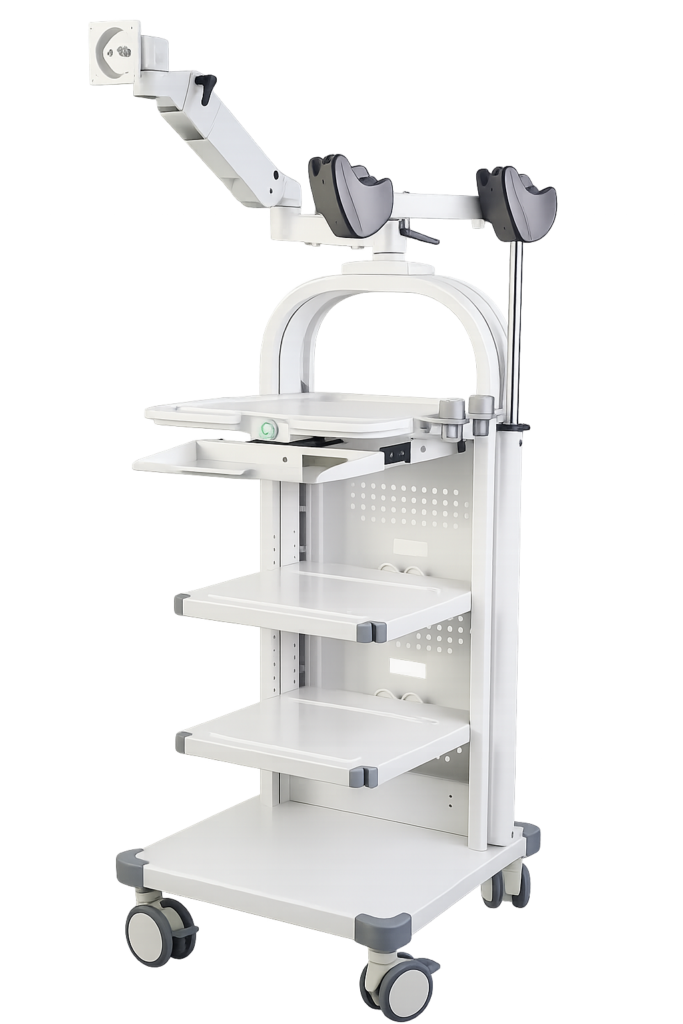
JY-1818 medical endoscopy cart by Juyi Medical with monitor arm and endoscope holder for hospital use

High-Capacity Endoscopy Cart – JY-18-18

Best for: high-frequency and high-load clinical use
Supports: stable performance during extended procedures
Typical applications: advanced endoscopy rooms, large hospitals

Rigid endoscopy cart trolley with monitor arm for endoscopy equipment

Modular Endoscopy Cart System – JY-10-10

Best for: complex setups requiring flexible configuration
Supports: modular layout and accessory expansion
Typical applications: multi-department use, specialized procedure rooms

Quick Selection Guide

Choose the right endoscopy cart based on your equipment setup and daily workflow requirements.

Quick Decision Table

Who You AreYour SituationRecommended ConfigurationTypical Use
Medical DistributorSupplying standard endoscopy systems for clinics or hospitalsStandard ConfigurationEntry-level projects, fast delivery, cost-sensitive markets
Clinic Owner / Small PracticeRunning routine gastroscopy or colonoscopy with limited equipmentStandard ConfigurationDaily diagnostic procedures with basic setups
Hospital Procurement / Endoscopy CenterManaging multiple devices and high-frequency proceduresMulti-Device ConfigurationStable daily operation with integrated equipment
System Integrator / Project ContractorBuilding complete endoscopy systems for medical projectsMulti-Device ConfigurationProjects requiring structured layout and reliable integration
Medical Equipment Brand / OEM BuyerDeveloping branded or customized endoscopy solutionsAdvanced / Modular SystemsCustom system design, brand-level product integration
Large Hospital / Specialized CenterOperating complex systems with future upgrade needsAdvanced / Modular SystemsHigh-end applications, multi-room or scalable systems

Quick Self-Check

Still unsure which configuration fits your system? Contact us for a tailored recommendation based on your equipment setup.

Endoscopy Cart Applications

Prefer to choose based on clinical applications? Explore how different endoscopy carts are used across departments.
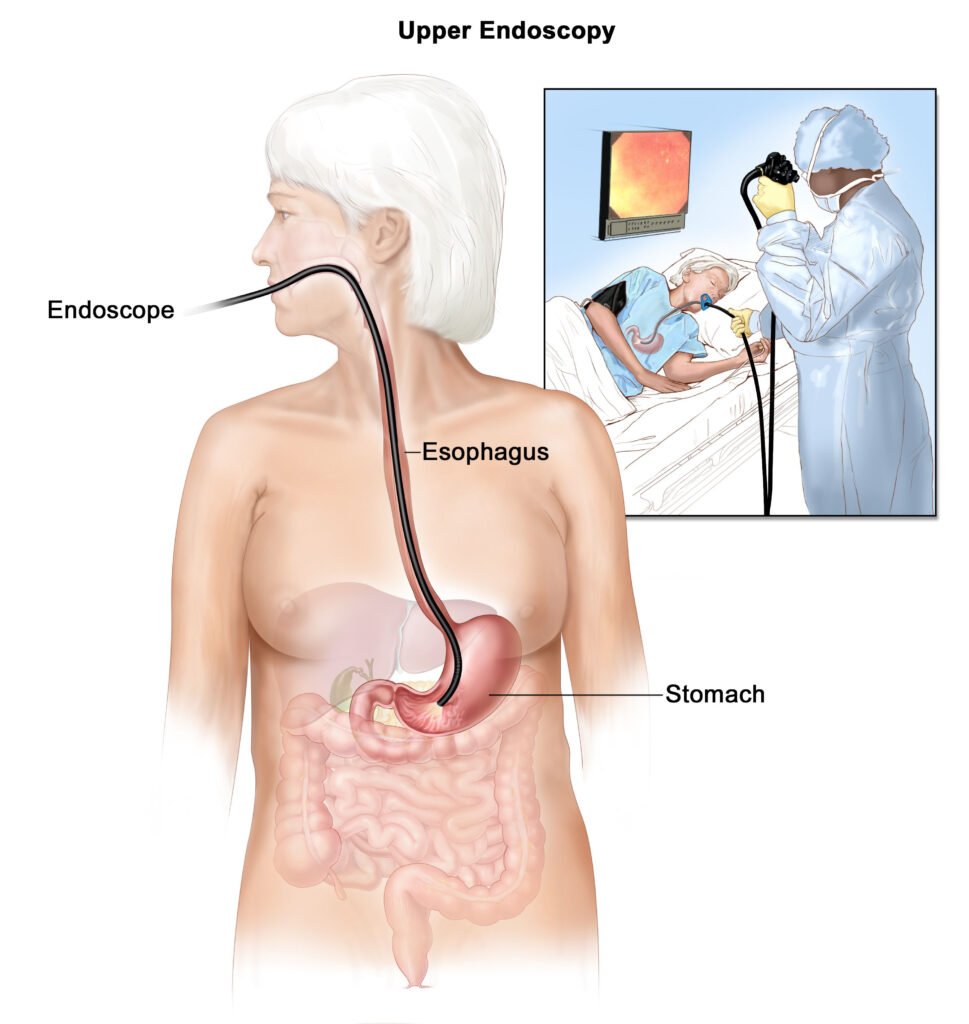
Gastroenterology Endoscopy

Gastroenterology (GI Endoscopy)

High-frequency procedures such as gastroscopy and colonoscopy require efficient and stable system setups.

Best Fit: Standard or Multi-Device

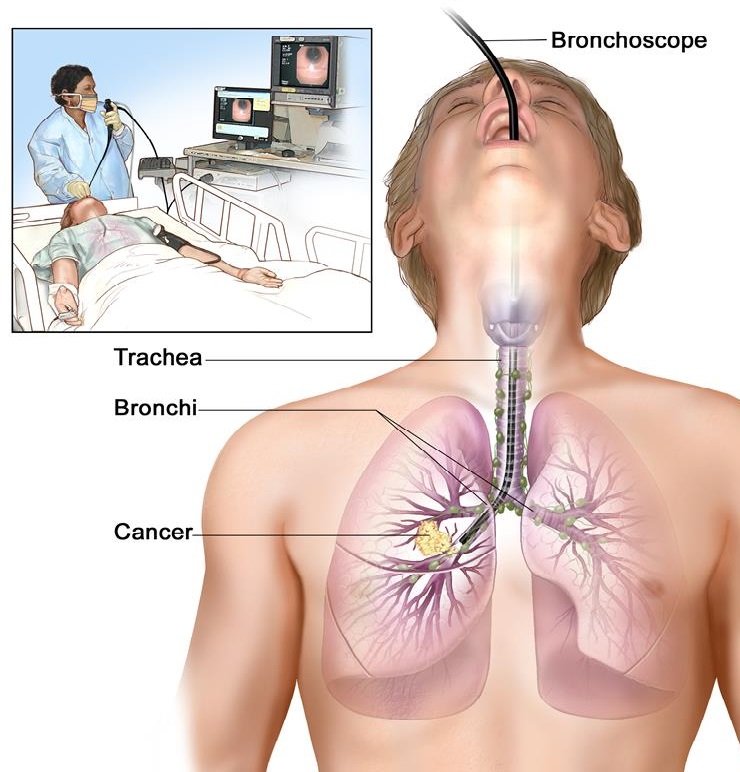
Pulmonology & Bronchoscopy

Pulmonology (Bronchoscopy)

Airway examinations often require mobile and flexible cart systems across different rooms.

Best Fit: Standard Configuration

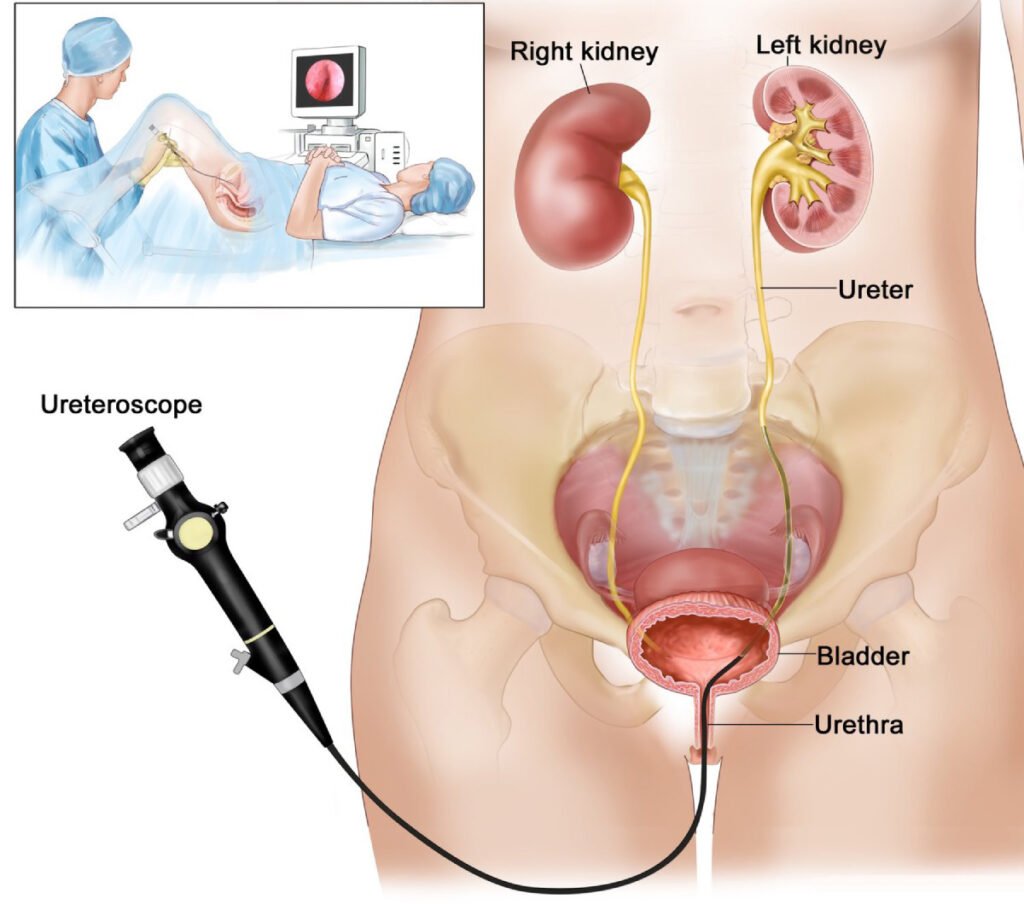
Urology Endoscopic Procedures

Urology Endoscopy

Procedures typically involve multiple devices and require organized equipment layout.

Best Fit: Multi-Device Configuration

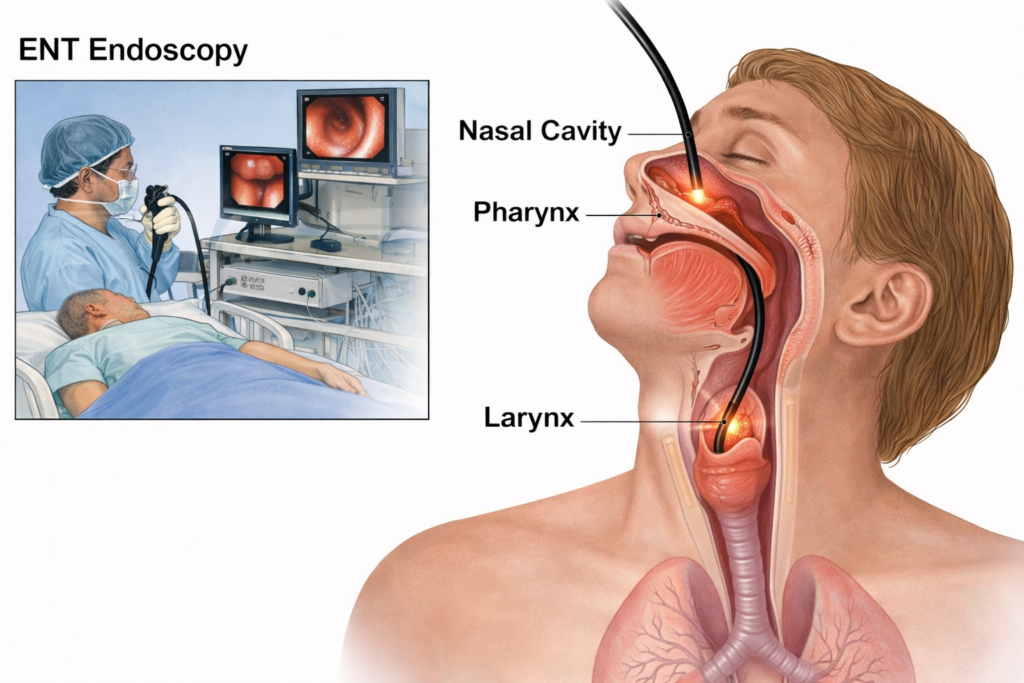
ENT Endoscopy

ENT (Ear, Nose & Throat)

ENT environments are often space-limited and require compact, flexible cart solutions.

Best Fit: Standard or Compact Systems

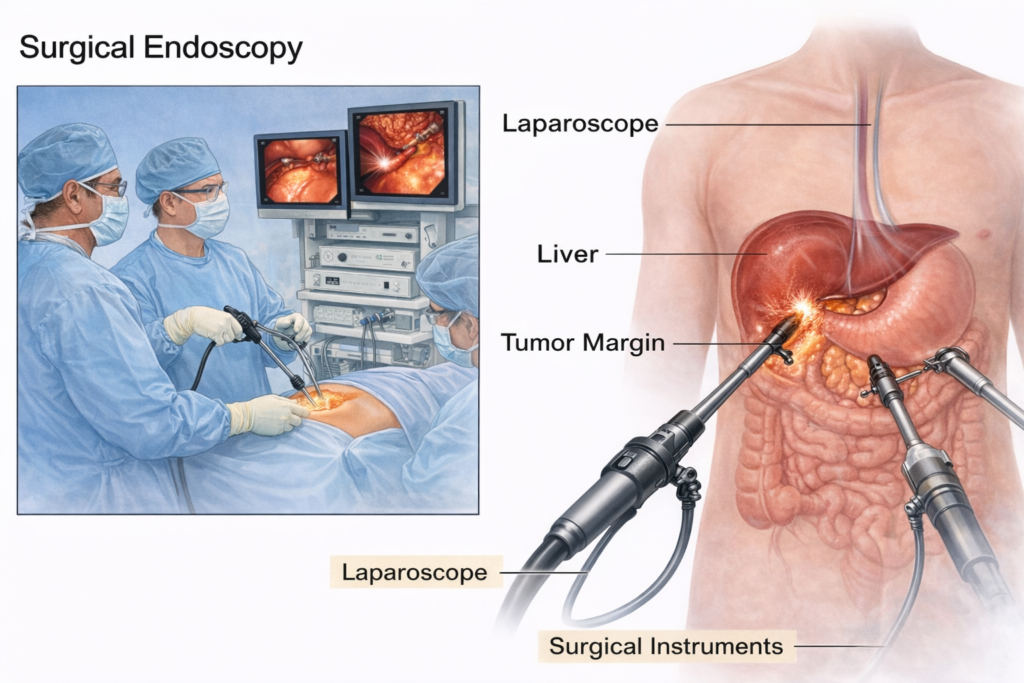
Surgical Endoscopy (Operating Rooms)

Surgical Endoscopy

Operating rooms require high stability and support for complex, integrated systems.

Best Fit: Advanced / Modular Systems

OEM & Custom Endoscopy Cart Solutions

Endoscopy carts can be configured to match your equipment layout, clinical workflow, and installation requirements.

Customization can be based on drawings, standard model modifications, or fully new product development, with flexible packaging options including knock-down and fully assembled delivery.

Product Development Process

medical cart OEM requirement confirmation process by Juyi Medical team for custom endoscopy cart projects
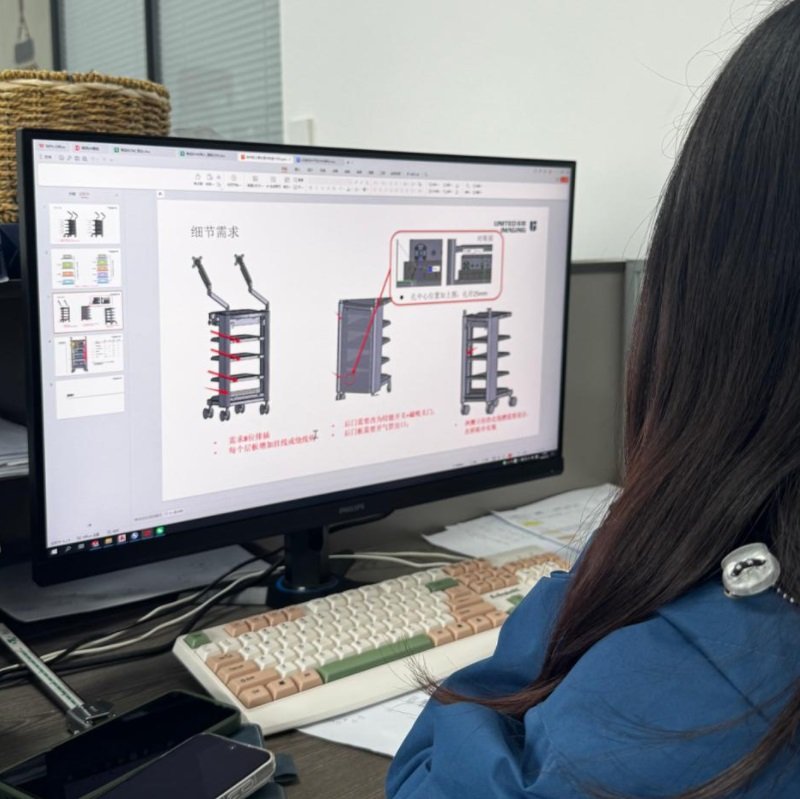
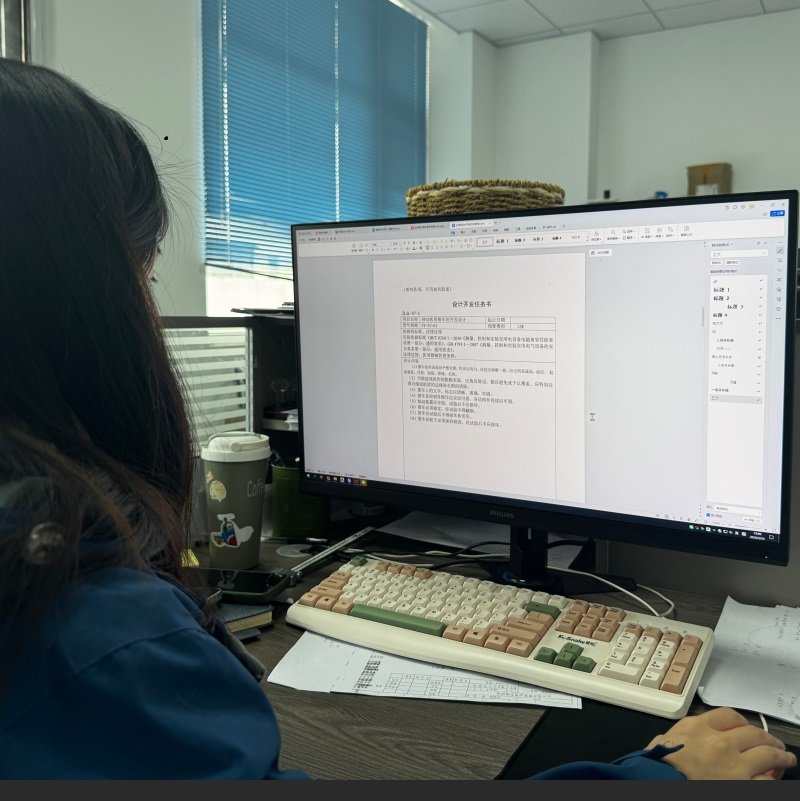
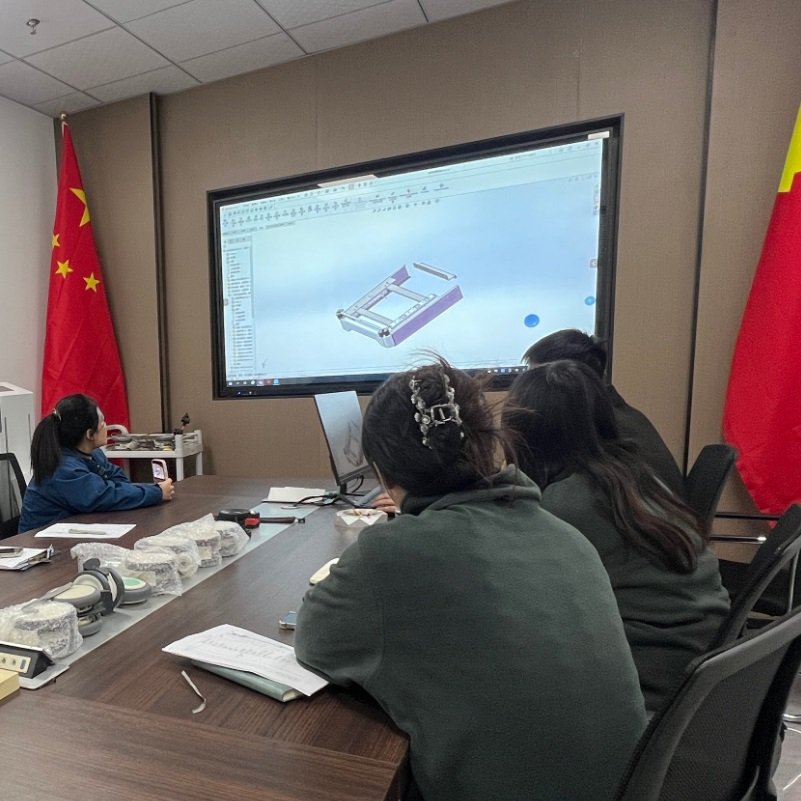
Requirement Confirmation
medical cart OEM design planning by Juyi Medical engineers for custom endoscopy cart development
Design Planning
medical cart OEM feasibility evaluation by Juyi Medical team for custom endoscopy cart manufacturing
Feasibility Evaluation
medical cart OEM sample production by Juyi Medical for custom endoscopy cart prototype manufacturing
Sample Production
medical cart OEM quality inspection by Juyi Medical for endoscopy cart components and surface finishing control
Quality Inspection
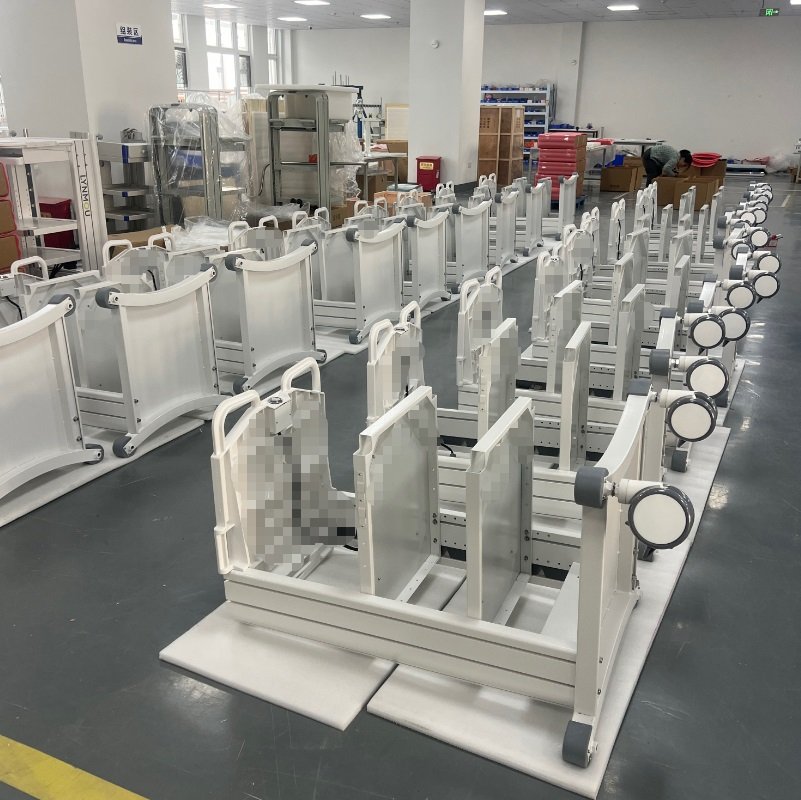
medical cart OEM mass production by Juyi Medical factory for endoscopy cart assembly line manufacturing
Mass Production

Customization Scope

medical endoscopy cart customization for structure and size adjustment by Juyi Medical for hospital equipment needs

Structure & Dimensions

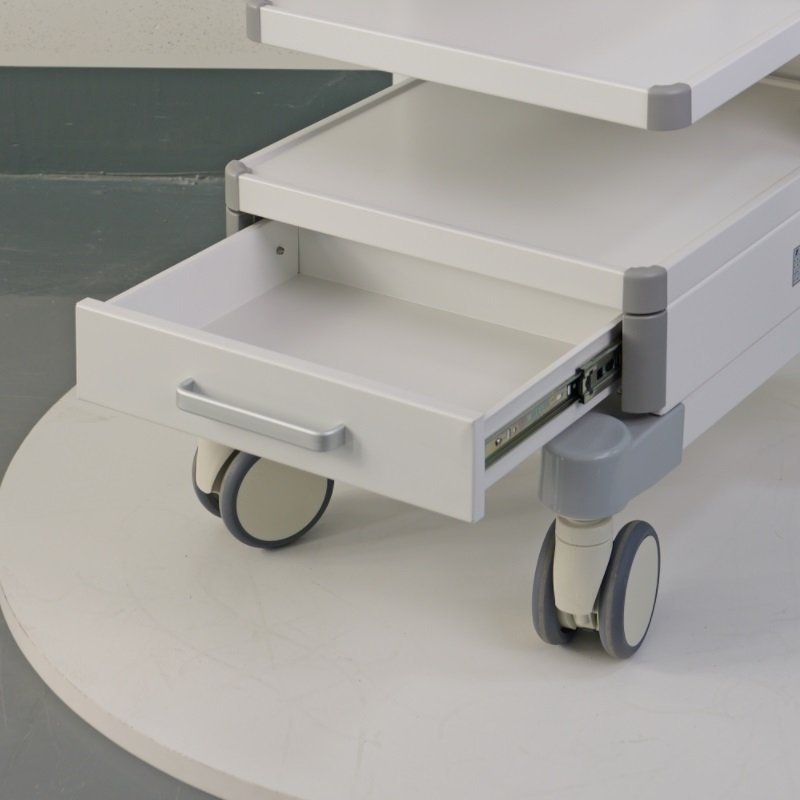
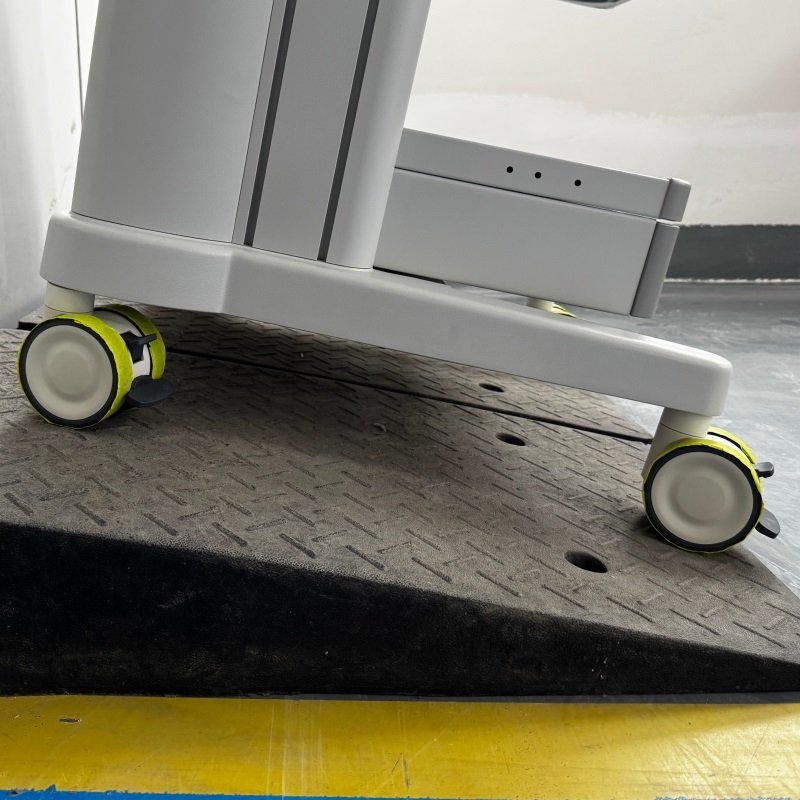
medical endoscopy cart customization for mobility and stability with medical casters and locking system by Juyi Medical
Mobility & Stability
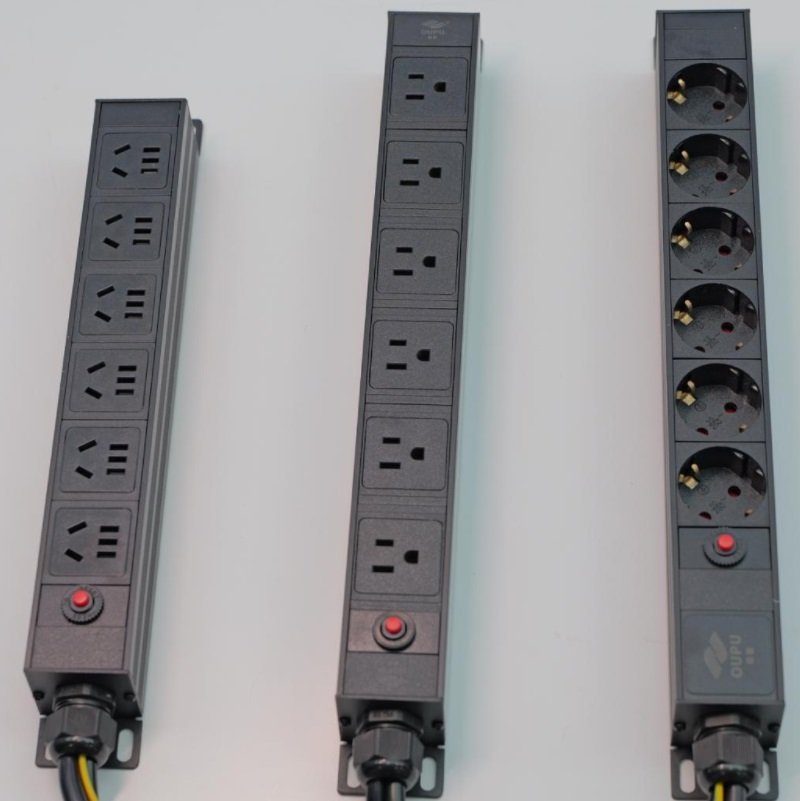
medical endoscopy cart customization for power supply and cable management by Juyi Medical with integrated power outlets

Power & Cable Management

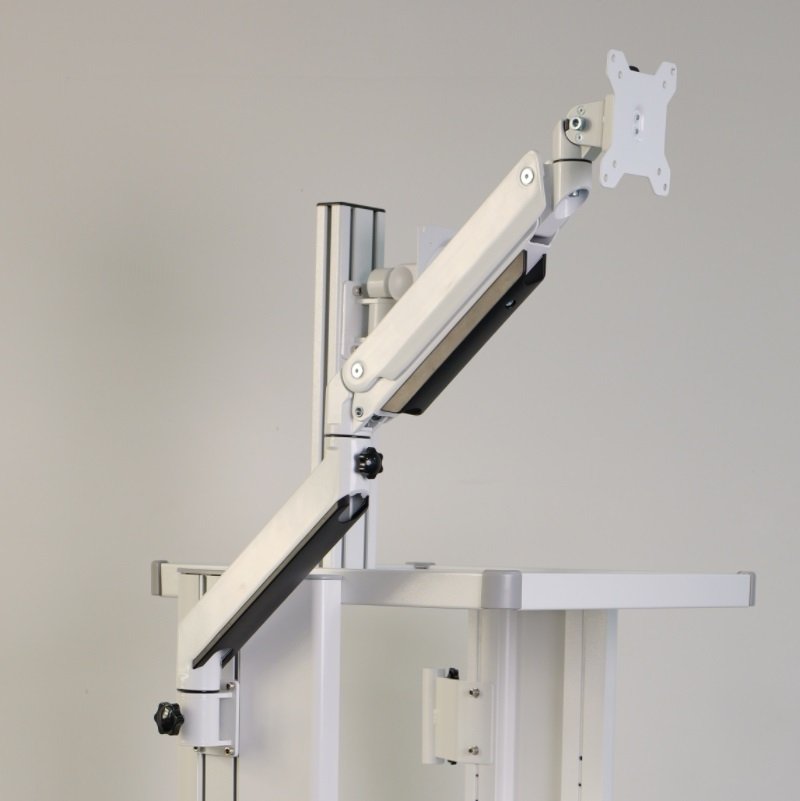
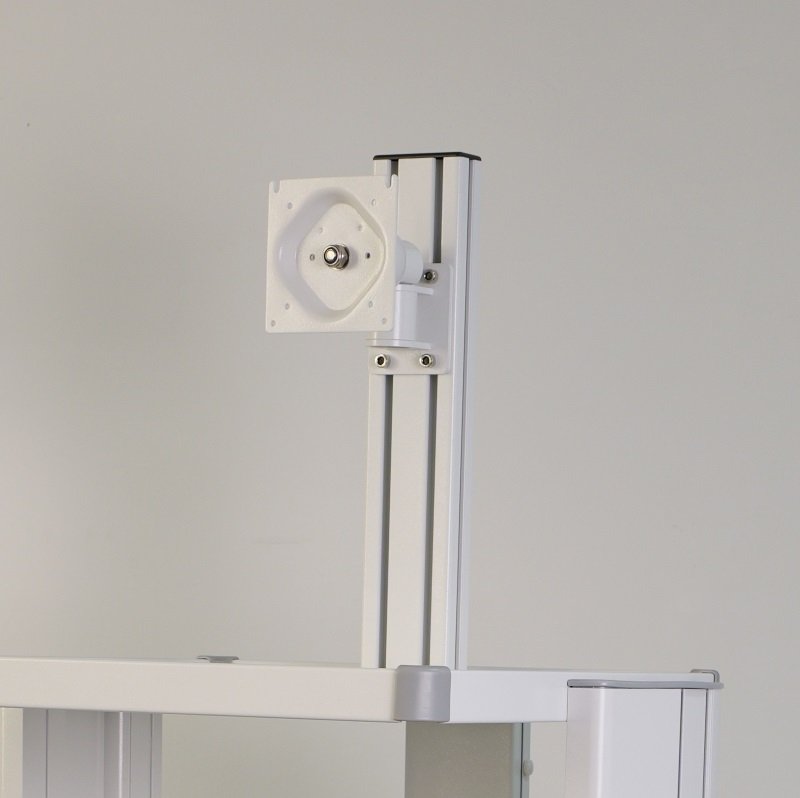
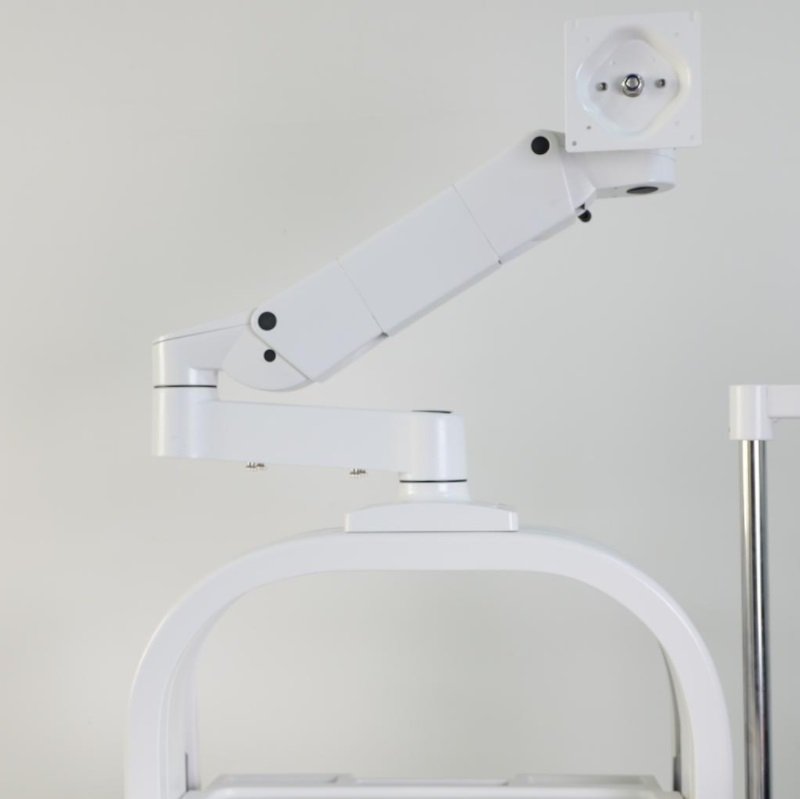
medical endoscopy cart customization for equipment integration with monitor arm and device mounting solutions by Juyi Medical

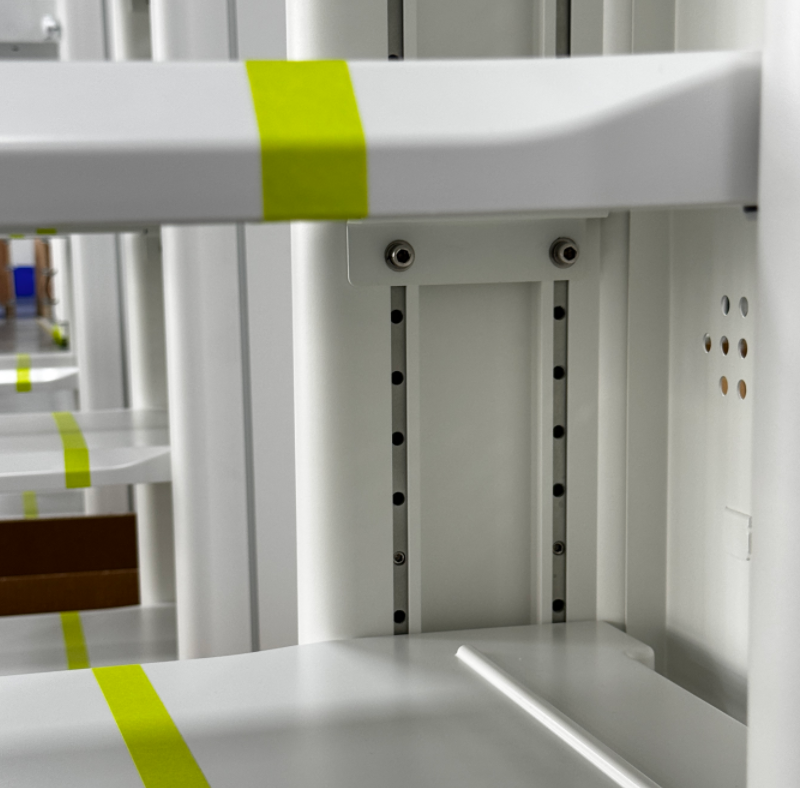
Equipment Mounting & Layout

medical endoscopy cart customization for material and surface finish by Juyi Medical with color options and protective components

Materials & Appearance

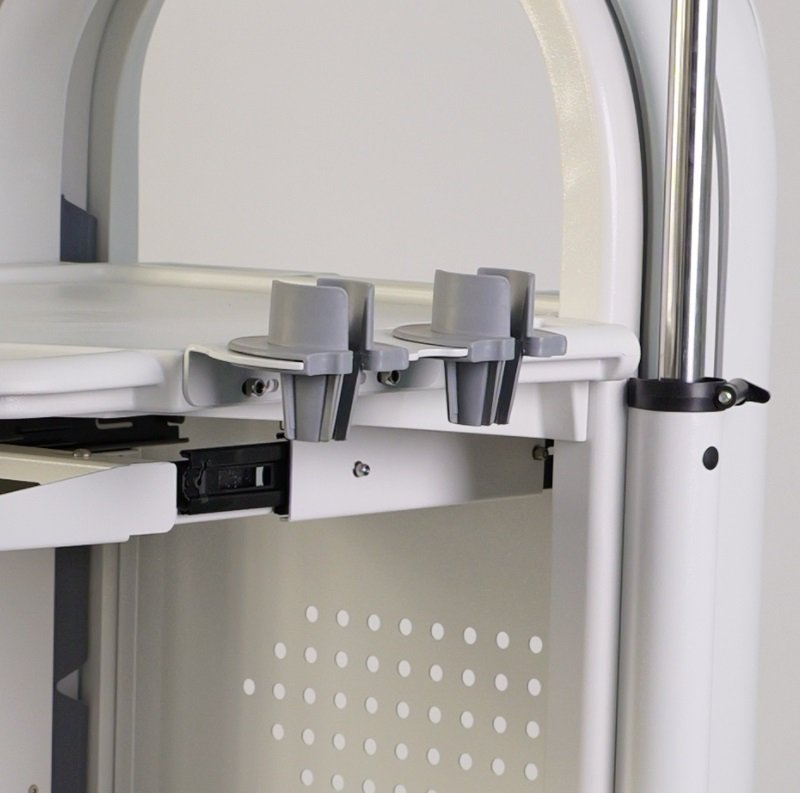
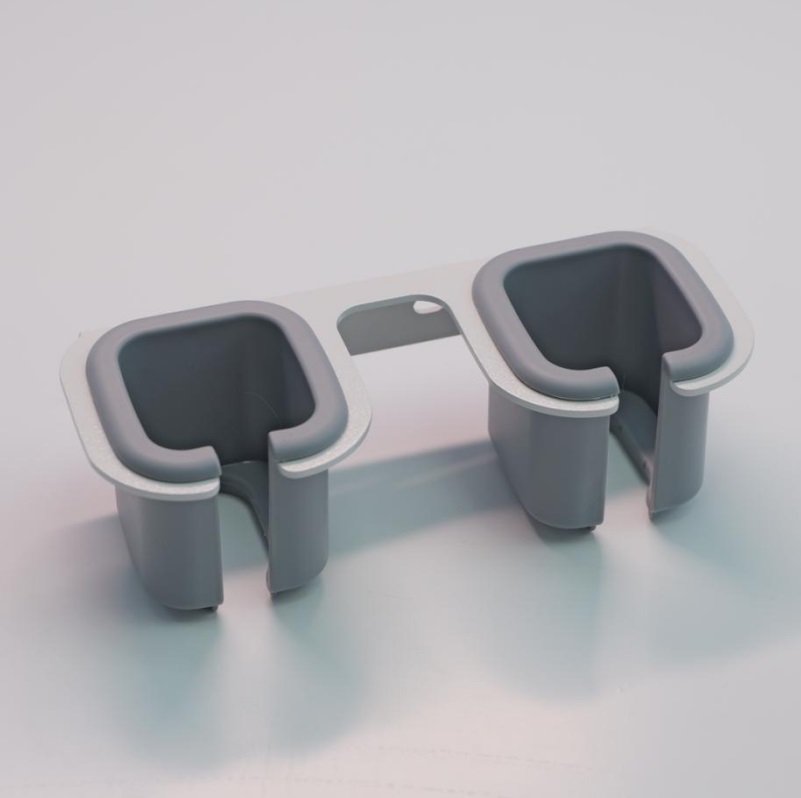
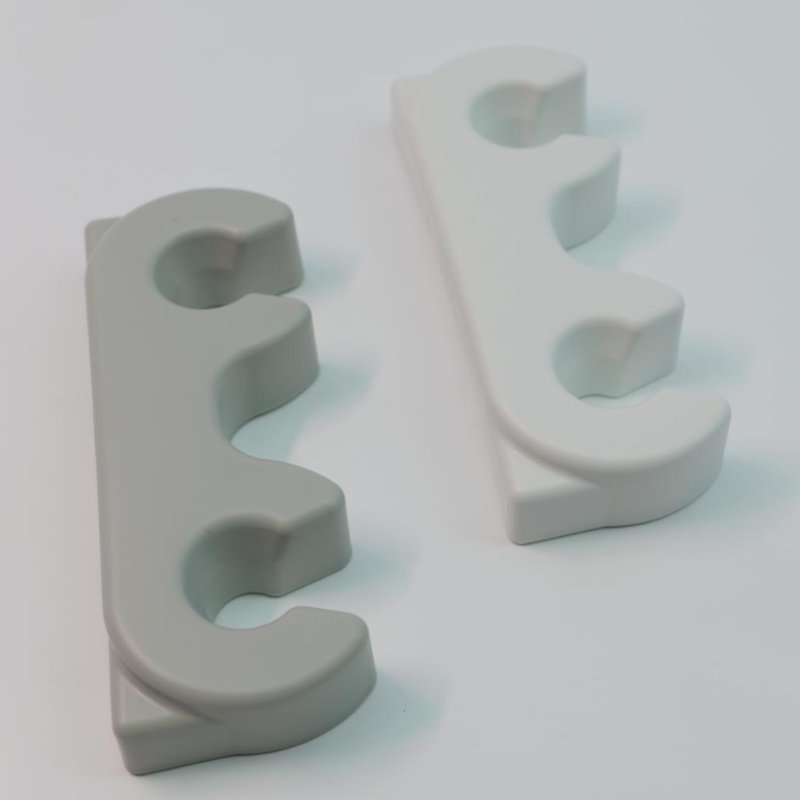
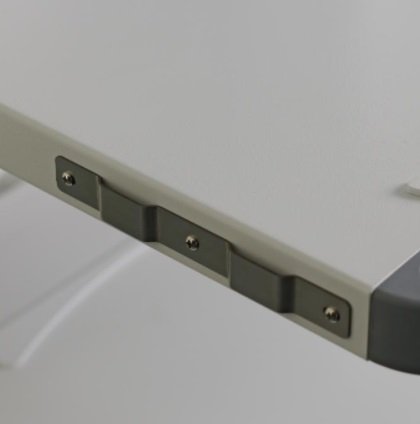
Accessories & Optional Components

To support various clinical applications and device configurations, a variety of accessories can be integrated into the cart system.

Why Choose Us as Your Endoscopy Cart Manufacturer

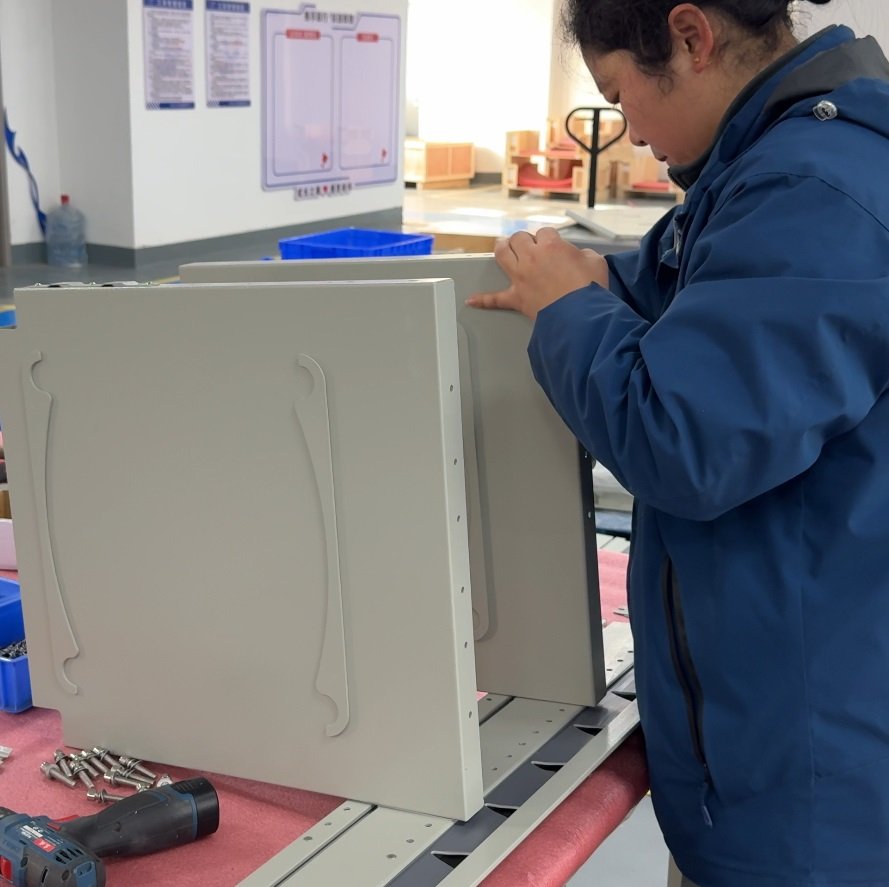
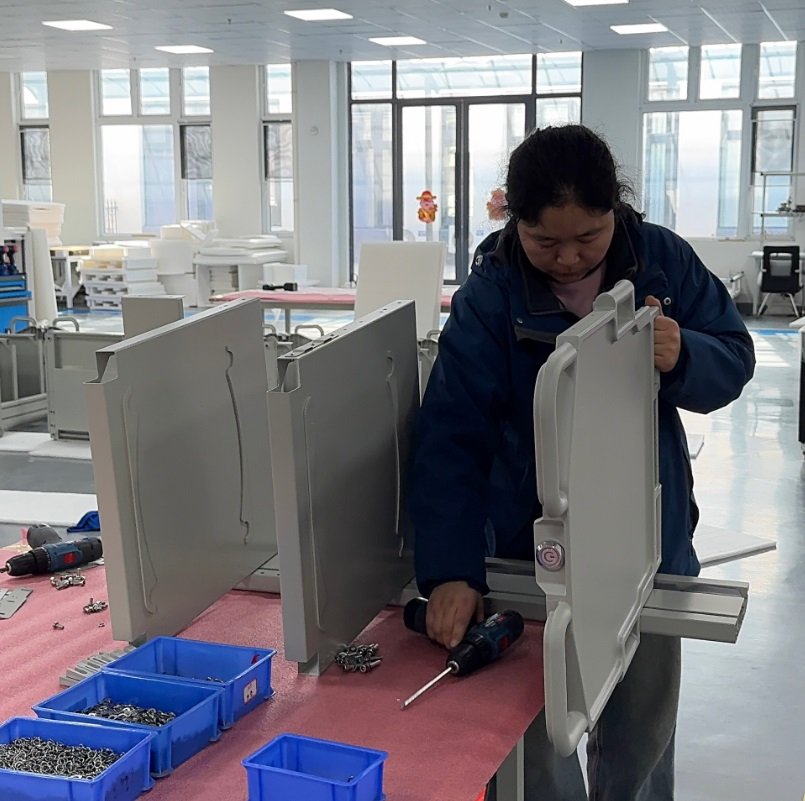
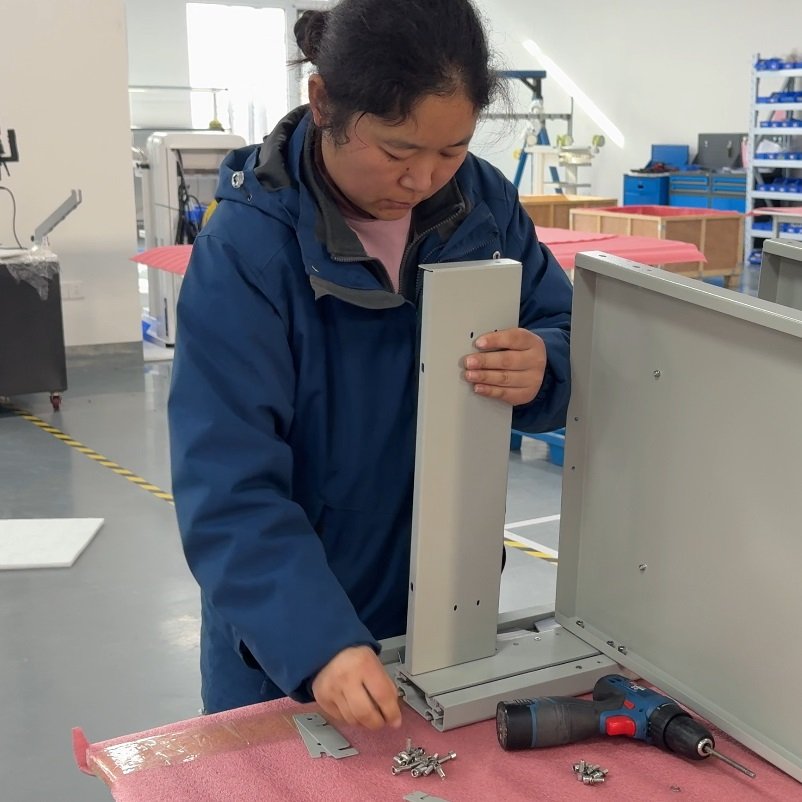
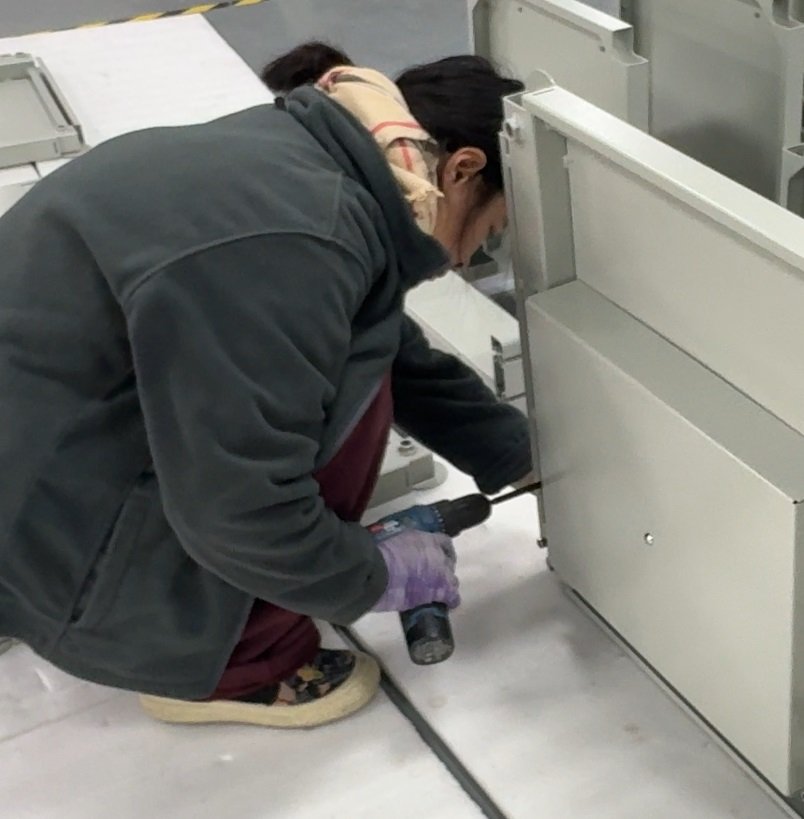
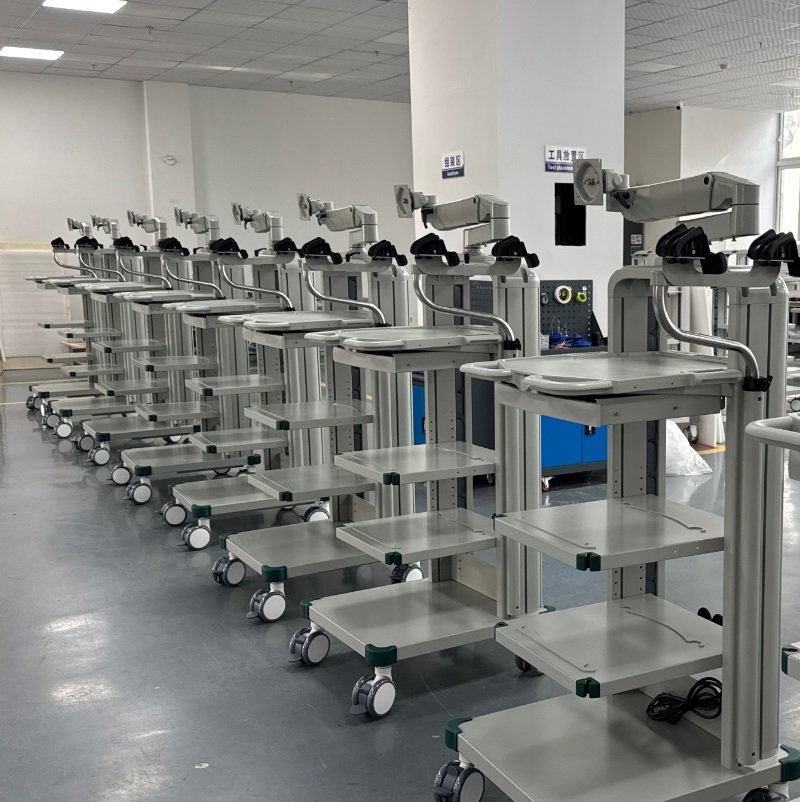
From design planning through fabrication, assembly, inspection, and packaging, each stage is controlled to ensure consistent and reliable results.

Design → Fabrication → Assembly → Inspection → Packaging

Fabrication Process

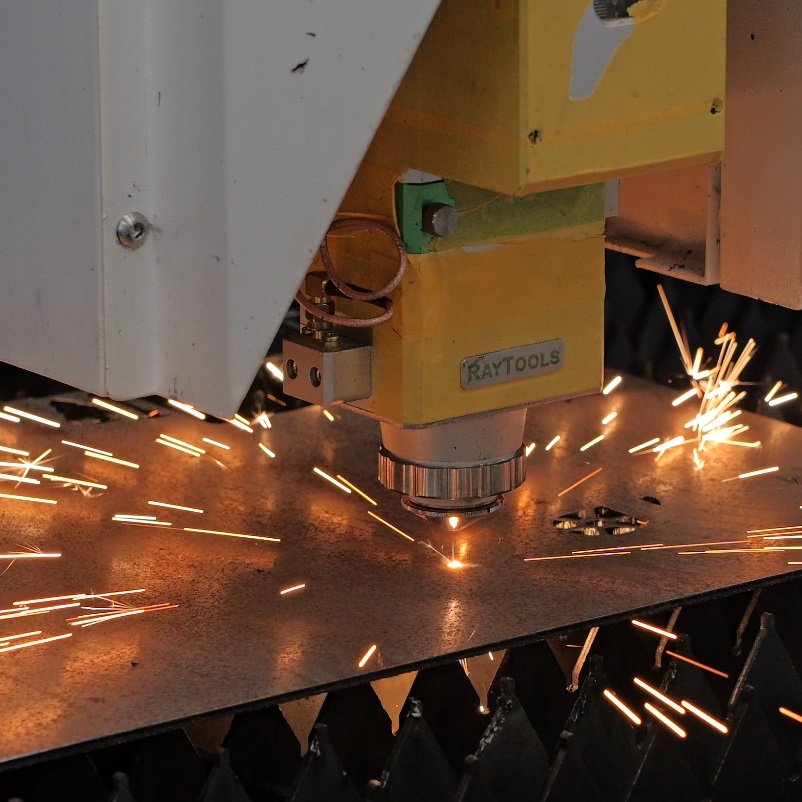
medical cart laser cutting process in manufacturing by Juyi Medical factory
1. Laser Cutting
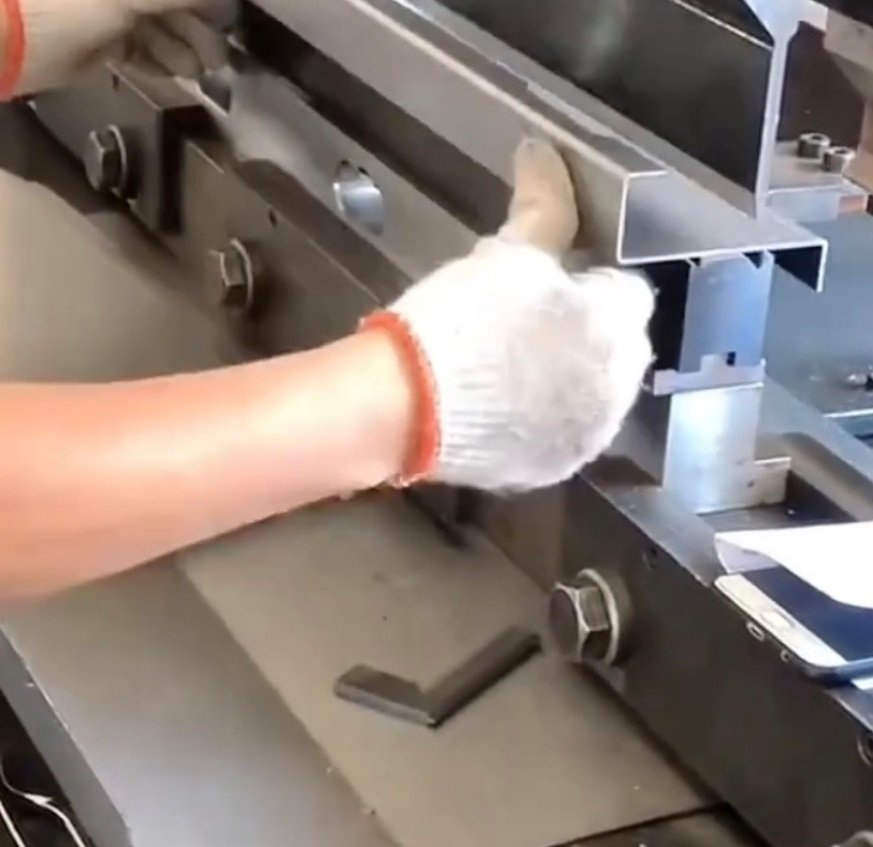
metal bending process for medical cart manufacturing by Juyi Medical
2. Bending
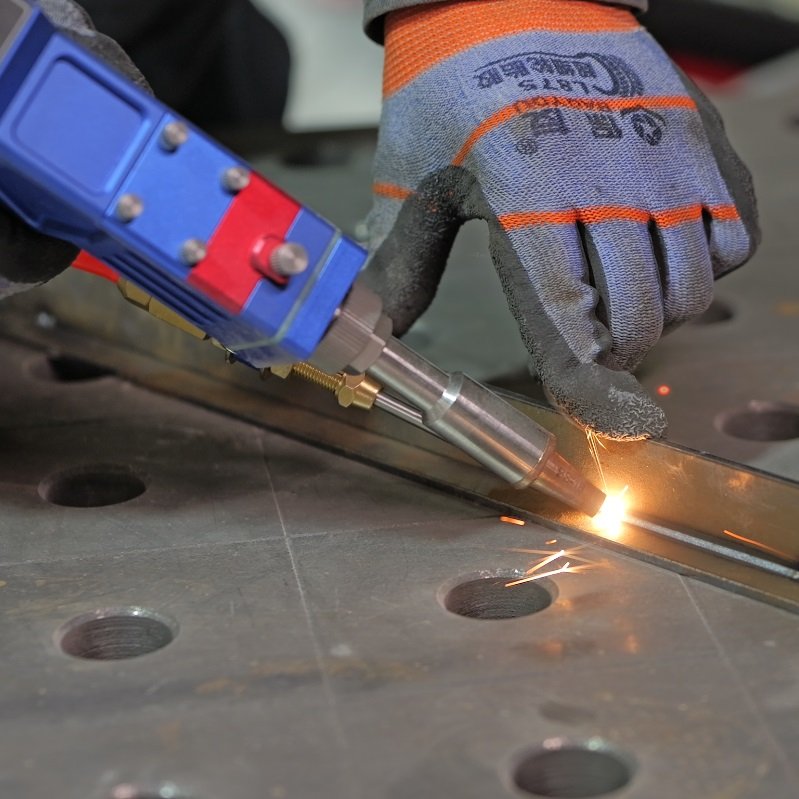
laser welding process for medical cart structure manufacturing by Juyi Medical
3.Laser Welding
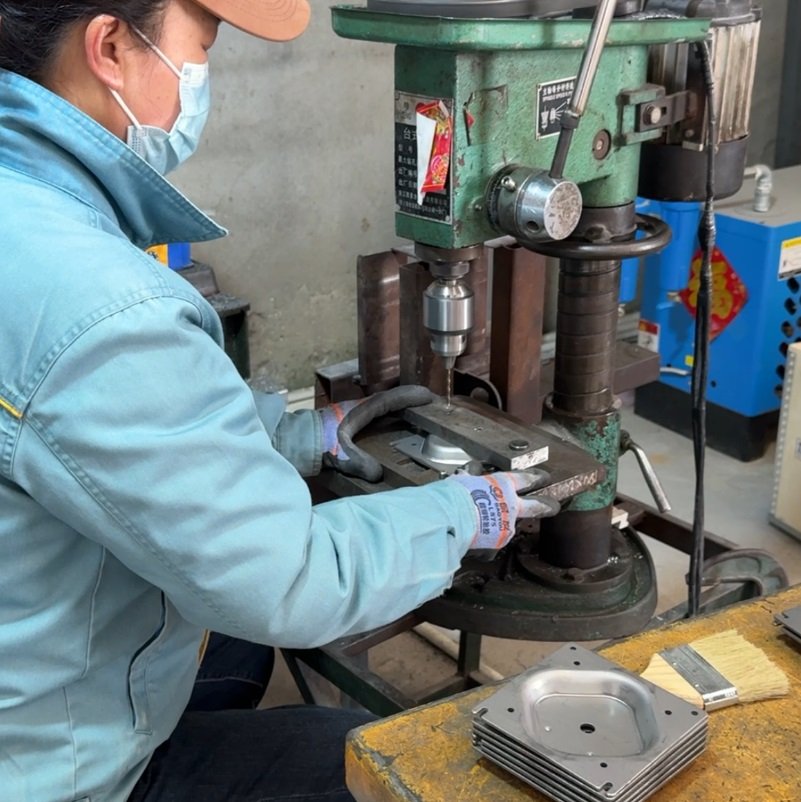
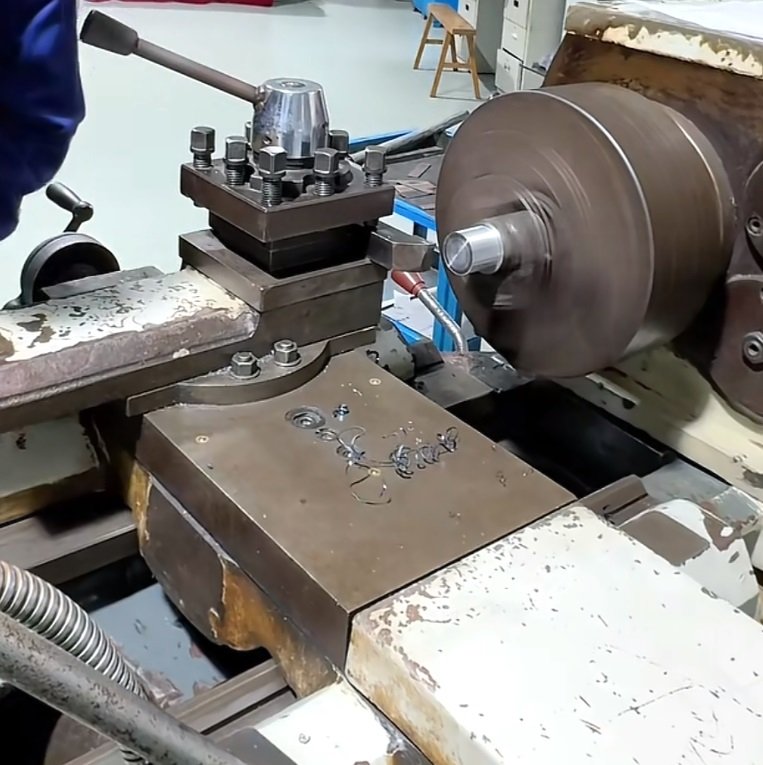
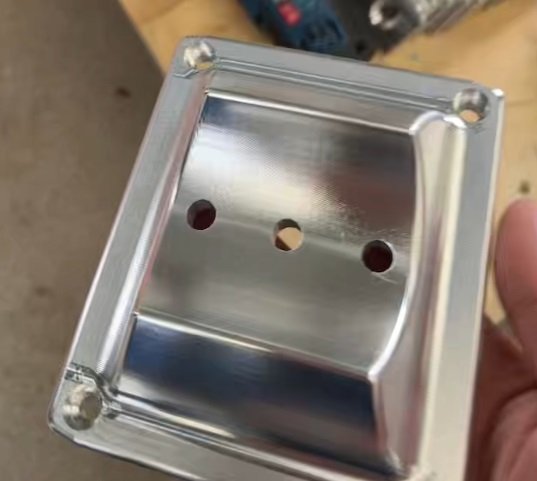
Medical cart component drilling process during metal machining
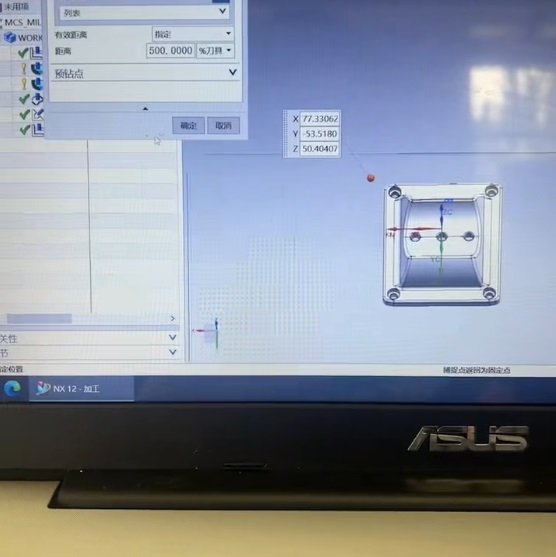
4.CNC-Machining
Medical cart component precision lathe turning machining process
5.Component-drilling-cnc-machining
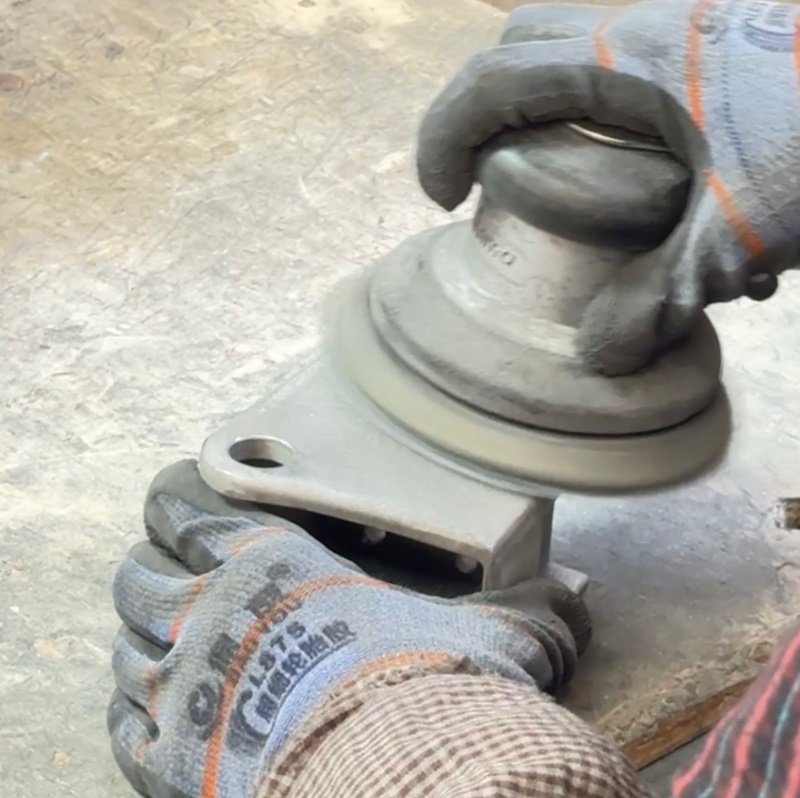
metal sanding process for medical cart surface finishing by Juyi Medical
6. Sanding
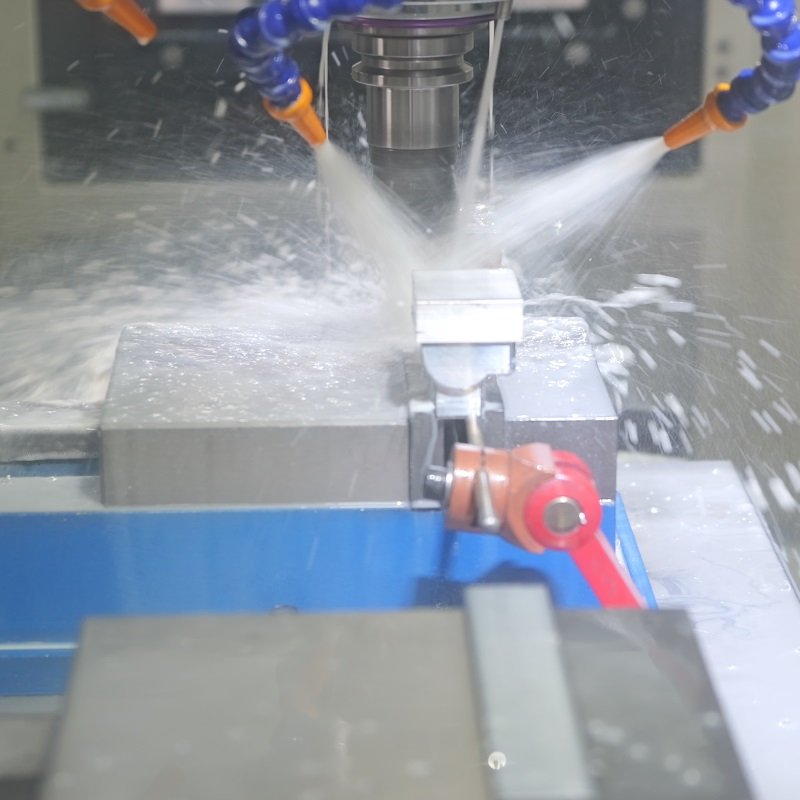
CNC Machining of Medical Cart Parts in Juyi Medical Factory
7.CNC
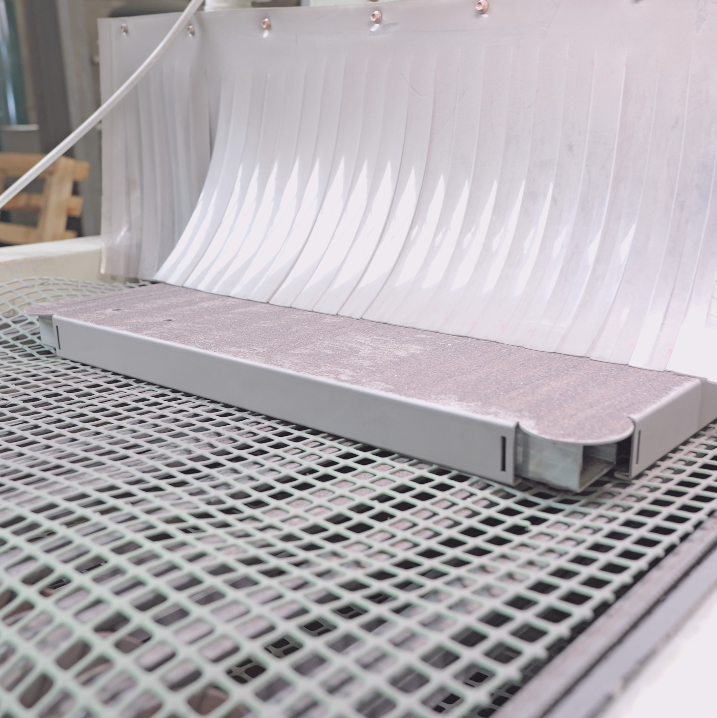
Medical cart sandblasting surface preparation before powder coating
8.Sandblasting
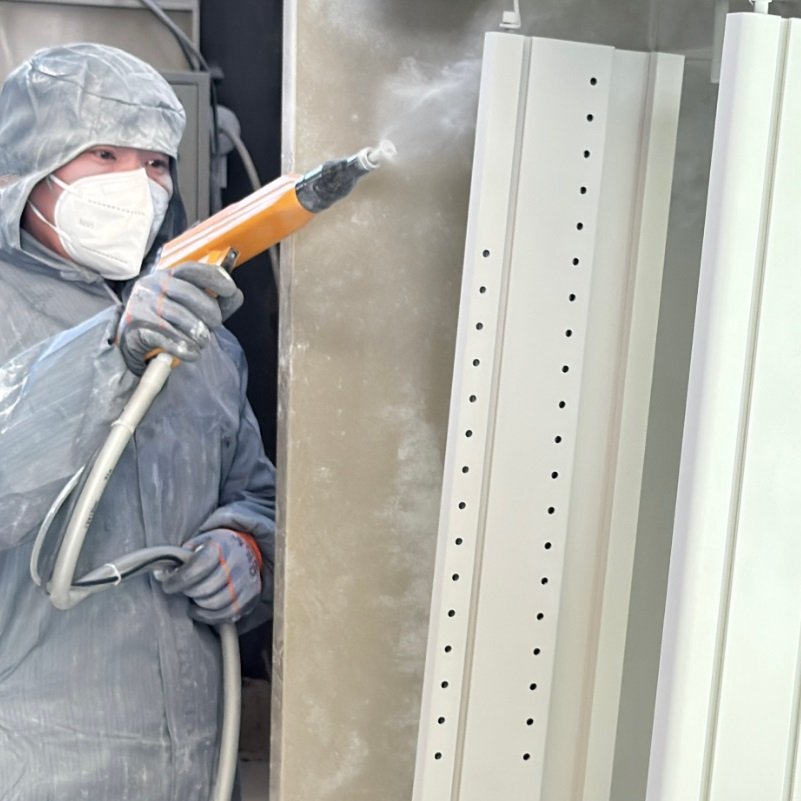
9.Powder Coating
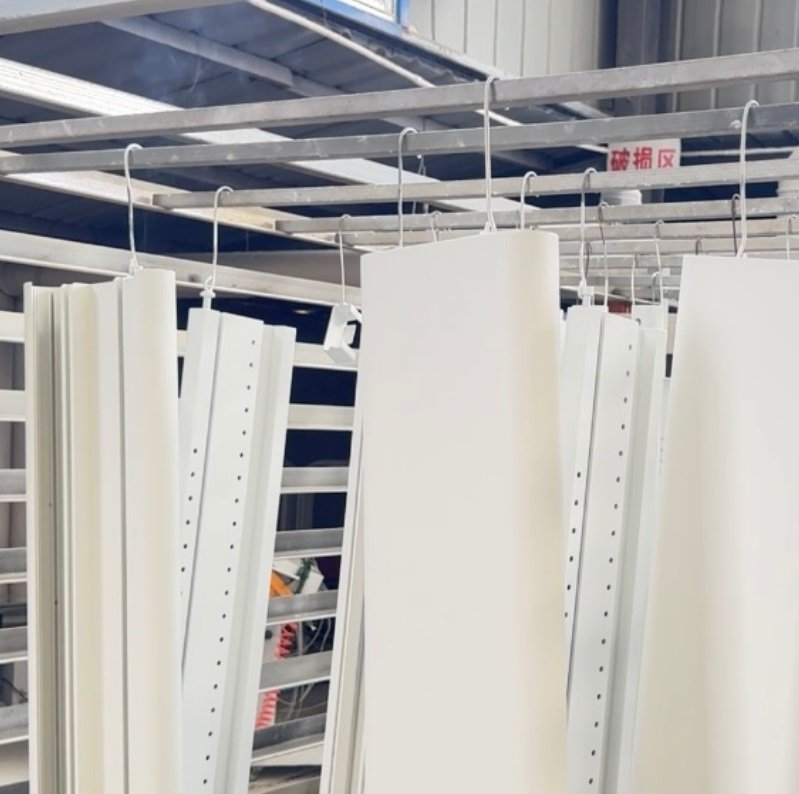
high temperature curing process after powder coating for medical cart by Juyi Medical
10.High-temperature curing
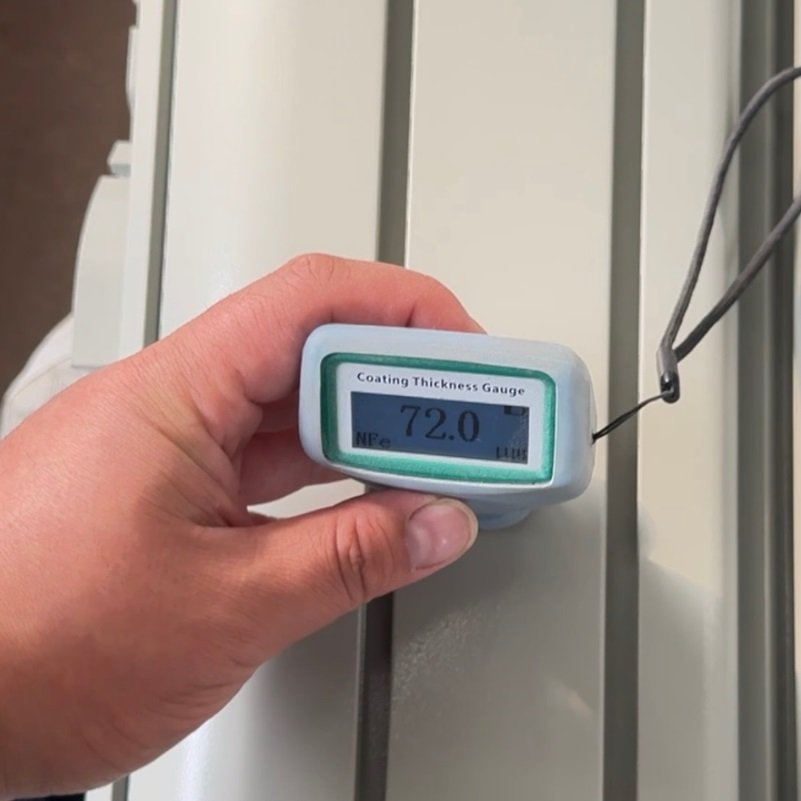
coating thickness inspection for medical cart surface quality control by Juyi Medical
11.Coating Inspection
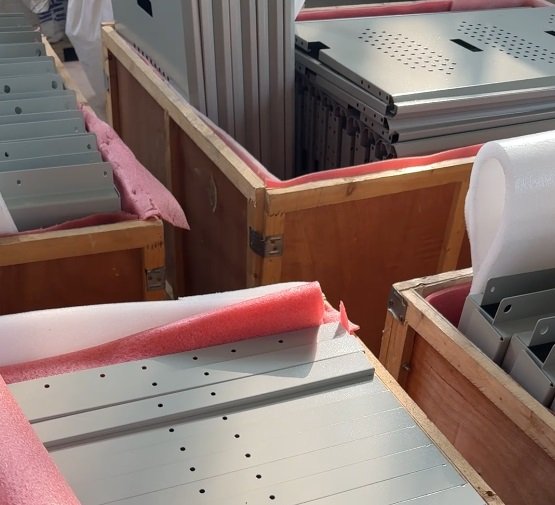
packing process for medical cart products ready for shipment by Juyi Medical
12.Packaging and Shipping

Assembly Process

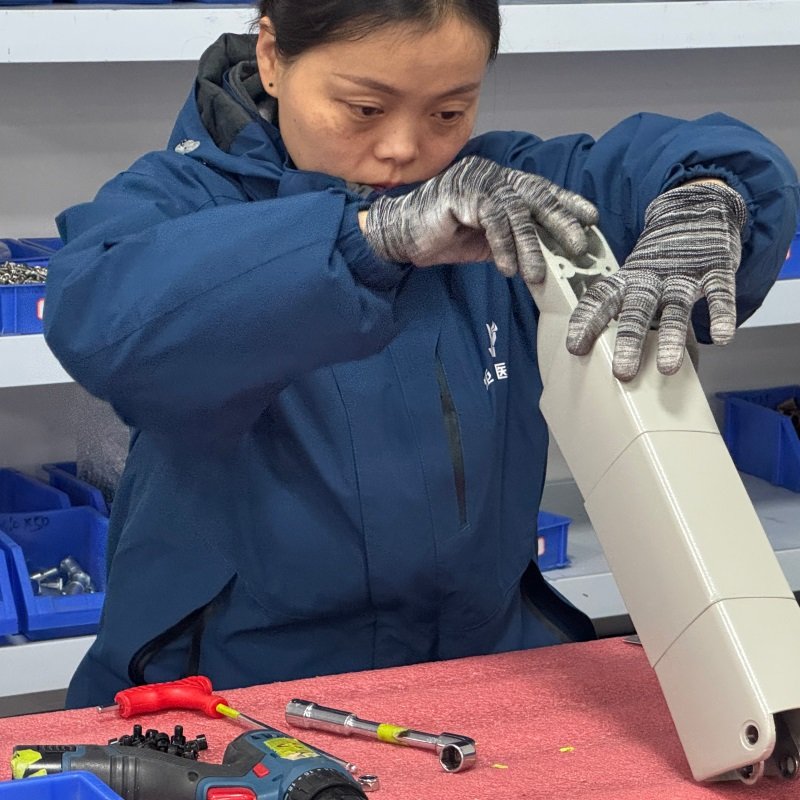
monitor arm assembly process for medical cart by Juyi Medical factory
1. Monitor Arm Assembly
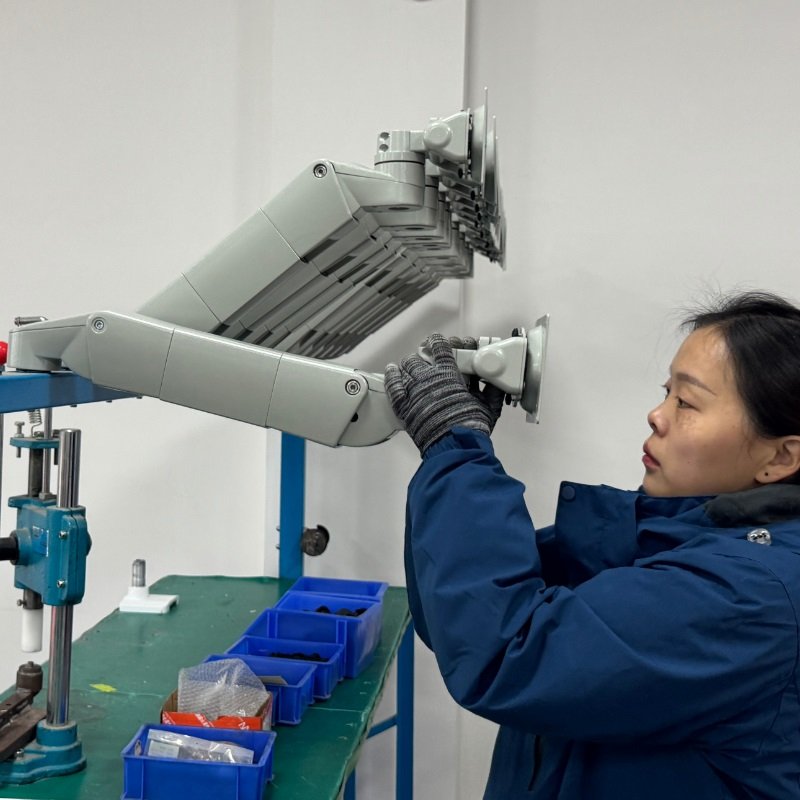
monitor arm load testing process for medical cart stability by Juyi Medical
2. Monitor Arm Pressure Test
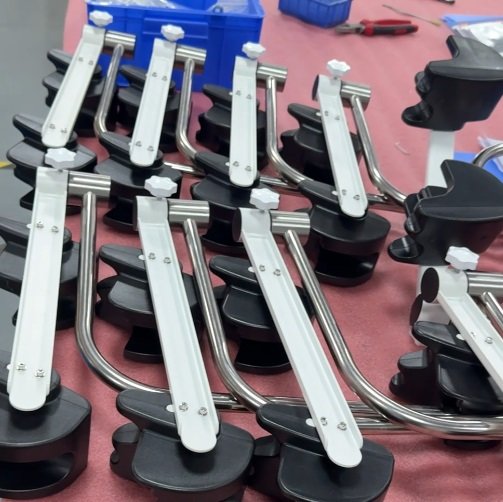
endoscope holder installation for medical endoscopy cart assembly by Juyi Medical
3.Mirror Bracket Assembly
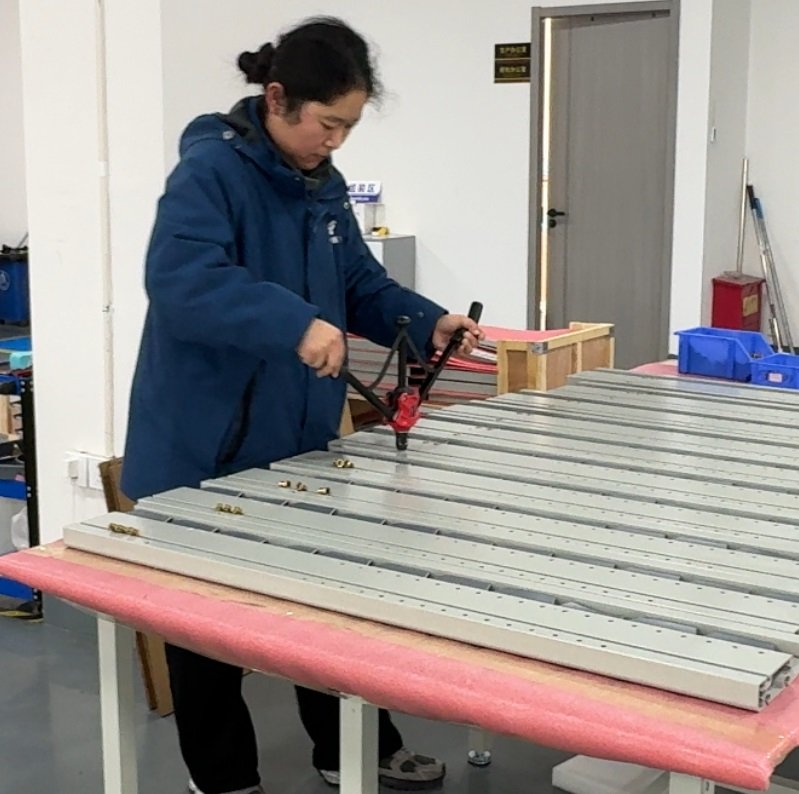
column assembly process for medical cart structure by Juyi Medical factory
4. Column Assembly
shelf and frame assembly process for medical cart system by Juyi Medical
5. Shelf and Upright Assembly
work surface installation process for medical cart assembly by Juyi Medical
6. Work Surface Installation
power system installation for medical cart electrical setup by Juyi Medical
7. Power Strip Mounting Installation
base installation process for medical cart structural assembly by Juyi Medical
8. Base Installation
finished medical cart products ready after assembly in Juyi Medical factory
9.Finished Product
medical endoscopy cart customization for mobility and stability with medical casters and locking system by Juyi Medical
10.Caster Locking Test
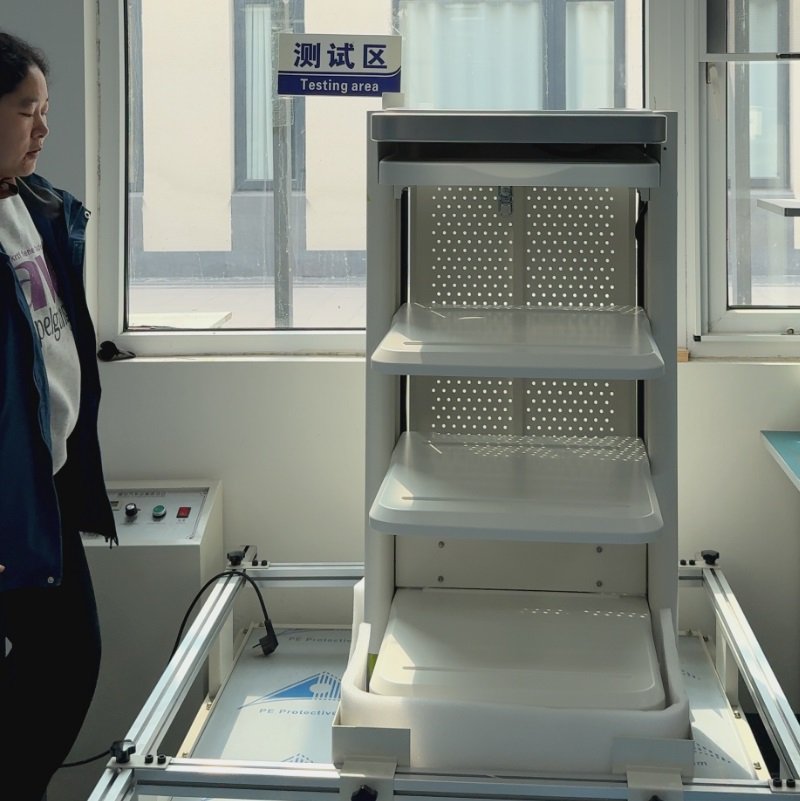
vibration testing for medical cart stability and durability by Juyi Medical
11.Vibration Testing
Quality Inspection of Medical Endoscope Cart in Juyi Medical Factory
12. Spectrometer Testing

Quality Inspection

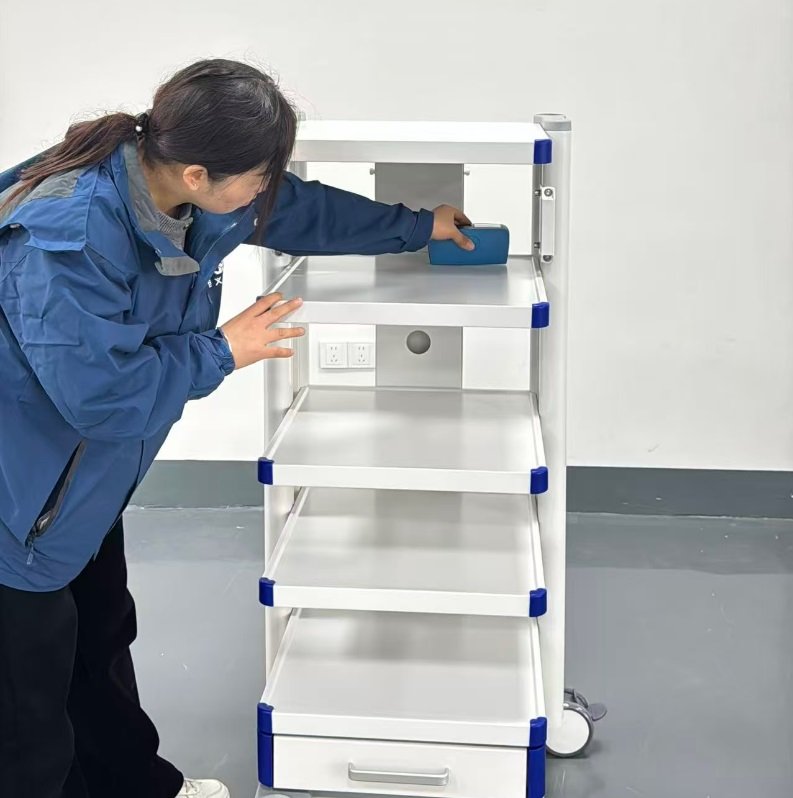
Coating Inspection (Before Storage)

Powder-coated parts are inspected using thickness gauges and gloss meters before storage to ensure coating durability and surface consistency.

Electrical Function Testing

Finished carts undergo electrical function testing to ensure safe wiring, stable power performance, and proper operation of integrated components.

Structural Stability Testing

Vibration testing is performed to evaluate structural stability and ensure reliable performance during transportation and real-world use.

Final Product Inspection

Finished carts are inspected to verify overall structure, functionality, and assembly quality before delivery.

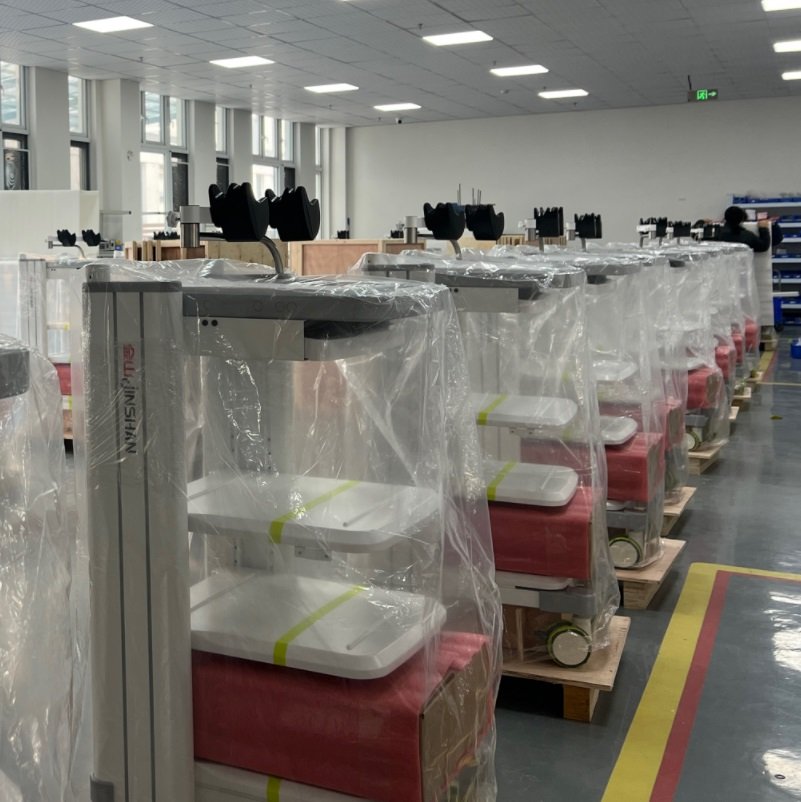
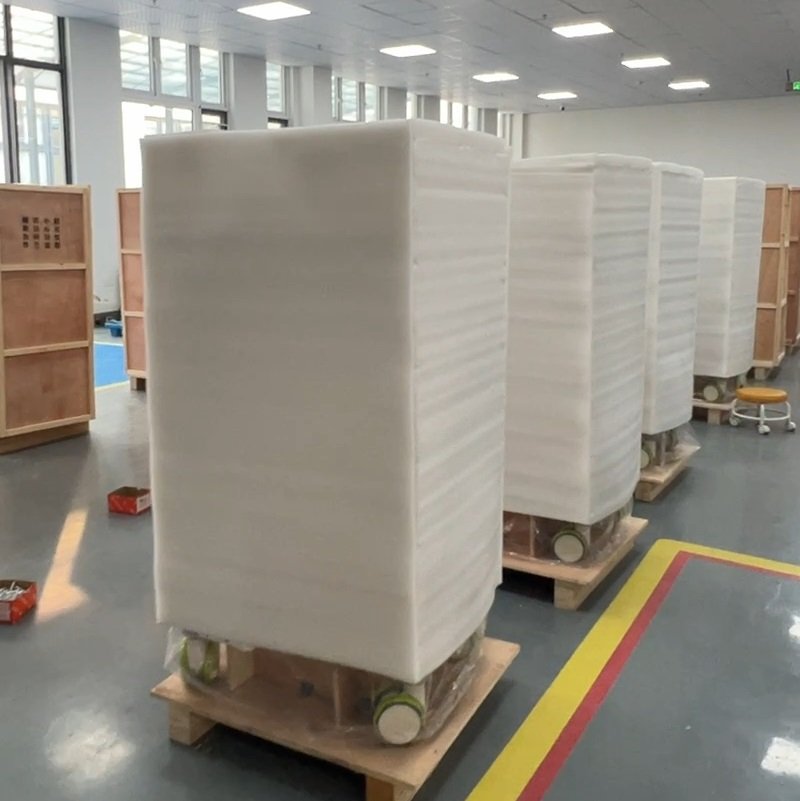
Packaging & Delivery Protection

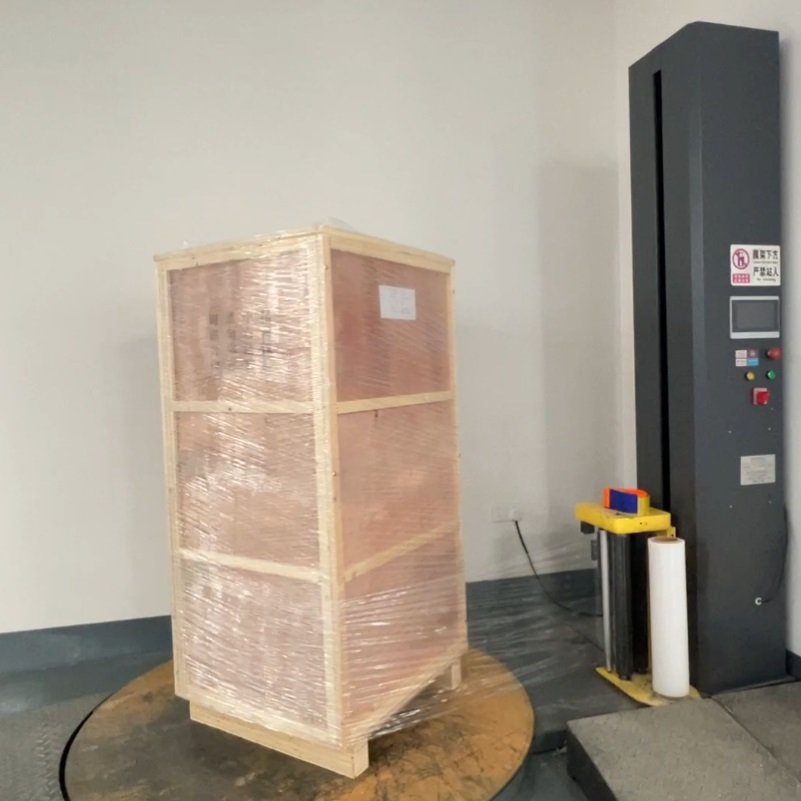
medical cart protective packaging with plastic cover and secure wrapping by Juyi Medical for safe transportation
1. Finished product protective packaging
medical cart anti-collision foam packaging for shock protection during transportation by Juyi Medical
2. Anti-collision foam
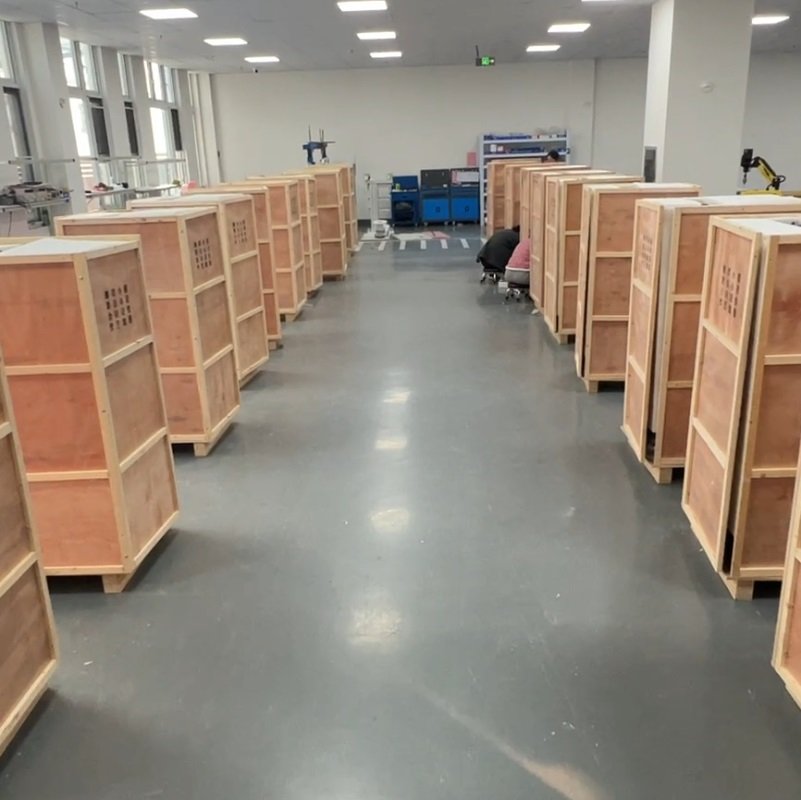
medical cart wooden crate packaging for export shipping by Juyi Medical factory
3. Packing
medical cart moisture-proof wrapping packaging for protection against humidity during shipping by Juyi Medical
4. Wrap moisture-proof film
medical cart moisture-proof wrapping packaging for protection against humidity during shipping by Juyi Medical
5. Confirm packing list
medical cart container loading for export shipping by Juyi Medical factory
6.Loading and Shipping

Project Experience

Factory Visits and Remote Audits Available

Tell us your configuration needs — we’ll respond with a suitable solution

Frequently Asked Questions

Endoscopy Cart Procurement Guide

Selecting the right endoscopy cart involves more than just considering size or aesthetics—it directly impacts equipment compatibility, workflow efficiency, and long-term usability.This guide outlines the key factors to help you choose the configuration best suited to your specific system and application.

Table of contents

What Information Should You Prepare Before Requesting an Endoscopy Cart?

A reliable cart solution starts with accurate information — not product selection.
In real-world projects, most delays, redesigns, or installation issues are caused by missing details at the beginning, not manufacturing problems.
Providing clear and practical information early allows us to recommend a suitable configuration faster and avoid costly adjustments later.

Equipment List (What Will Be Installed)

Start with a clear list of all devices that will be mounted on the cart.
Typical setups include:
  • Endoscopy processor
  • Light source
  • Medical monitor
  • Insufflator or irrigation unit
  • Other supporting devices
👉 Why this matters: Each device directly affects shelf quantity, spacing, structure strength, and overall layout. Missing even one item can lead to redesign.

Key Dimensions and Weight

You don’t need exact technical drawings, but approximate values are essential.
Focus on:
  • Device height (most critical)
  • Width and depth
  • Weight of larger equipment
👉 From real projects: Most layout problems come from underestimated device height or insufficient space for cables and connectors.

Monitor Setup (Critical for Stability and Usability)

Monitor configuration has a direct impact on both operation and balance.
Please specify:
  • Single or dual monitor
  • Screen size
  • Whether an adjustable arm is required
👉 Why this matters: Monitor arms introduce leverage. Incorrect load matching can cause instability or long-term structural issues.

Overall Cart Height (Frequently Overlooked)

A common mistake is focusing only on individual devices while ignoring the final assembled height of the cart.
This includes:
  • Shelf structure
  • Installed equipment
  • Monitor arm and screen
👉 What to consider:
  • User comfort: screen should align with eye level
  • Stability: taller carts increase center of gravity
  • Space limits: doors, elevators, storage areas
👉 Practical insight: A setup that “fits” in theory may become impractical if total height is not evaluated early.

Usage Scenario (How the Cart Will Be Used)

Understanding how the cart will be used helps define the right structure.
Please clarify:
  • Fixed in one room or frequently moved
  • Shared across departments
  • Used in clinical or operating environments
👉 Why this matters: Mobility, durability, and layout priorities vary depending on actual use conditions.

Shipping & Assembly Method (Often Decided Too Late)

Another key decision is how the cart will be delivered:
  • Fully assembled (ready to use)
  • Knock-down (KD) — shipped in parts for on-site assembly
👉 What to consider:
  • Access limitations: doors, elevators, corridors
  • Shipping cost: assembled carts take more space
  • Installation capability: KD requires basic assembly
👉 From real projects: Some carts arrive fully assembled but cannot be moved into the final room due to space constraints.
👉 Recommendation: If there are any space limitations, confirm dimensions early or consider KD delivery.

Power and Plug Requirements

Endoscopy carts are integrated systems, not just mechanical structures.
Please confirm:
  • Plug type (EU / UK / US / etc.)
  • Number of powered devices
  • Any specific electrical requirements
👉 Why this matters: Incorrect configuration can delay installation or require modification after delivery.

Reference Photos or Layout (Highly Recommended)

Providing a simple photo or rough layout can significantly improve accuracy.
👉 Why this matters: Visual references often reveal cable directions, space limitations, and usage habits that are difficult to describe in text.

Future Expansion (If Applicable)

If additional devices may be added later, mention it early.
👉 Why this matters: A well-designed cart should allow upgrades without requiring a complete redesign.

⭐ Summary for Quick Reference

Information What to Prepare Why It Matters
Equipment List All devices to be installed Determines layout and structure
Dimensions & Weight Approx. size and weight Prevents spacing and stability issues
Monitor Setup Quantity, size, arm type Affects balance and usability
Overall Height Estimated total setup height Impacts ergonomics and safety
Usage Scenario How the cart will be used Defines mobility and durability
Shipping Method Assembled or KD Affects delivery, cost, and installation
Power Requirements Plug type and outlets Ensures compatibility
Reference Layout Photos or sketches Improves design accuracy
Future Expansion Potential added devices Avoids later redesign

What Happens Next?

Once these details are confirmed, we can quickly determine:
  • Whether a standard model is suitable
  • Or a custom configuration is required
👉 In most cases, a basic equipment list and approximate dimensions are enough for us to propose a layout within 24–48 hours.


For more complex projects, you can also use our full requirement form.

Should You Choose a Standard Cart or an OEM Custom Cart?

Should You Choose a Standard Cart or an OEM Custom Cart?

Choosing between a standard cart and a custom-built solution is not just about configuration — it directly affects how well your system works in real use, how stable it is over time, and how your equipment is presented.
In many projects, customers initially consider standard carts, but switch to customization once real installation conditions and workflow requirements are reviewed.

When a Standard Cart Is the Right Choice

A standard cart is suitable when your setup follows a predictable structure and does not require special adjustments.
Typical conditions include:
  • 2–3 core devices with similar dimensions
  • Standard equipment sizes
  • Single monitor setup
  • No specific layout or accessory requirements
👉 Why it works: Standard carts are designed based on commonly used configurations, making them a cost-efficient and fast solution.
👉 Best suited for:
  • Distributors handling repeat orders
  • Entry-level or price-sensitive projects
  • Scenarios where speed is more important than customization

When You Should Consider an OEM Custom Cart

Customization becomes necessary when your system requirements go beyond a basic installation.
Common triggers include:
  • Multiple devices with different sizes or stacking requirements
  • Dual monitors or larger display systems
  • Specific workflow or accessibility needs
  • Additional accessories or integration requirements

👉 However, in real projects, customization is usually driven by three deeper factors:
  1. System Fit and Workflow Efficiency
A custom cart ensures that devices are arranged logically and remain easy to access during daily use.
👉 Avoids:
  • Overlapping devices
  • Difficult access to controls
  • Poor cable management

  1. Brand Image and Visual Consistency
For many distributors and medical brands, the cart is not just functional — it is part of the overall product presentation.
Customization allows:
  • Logo integration
  • Color matching with equipment
  • Cleaner and more professional appearance
👉 In practice, a well-designed cart can significantly improve perceived product value.

  1. Structural Strength or Lightweight Requirements
Different applications may require different structural and material solutions.
For example:
  • Heavier equipment → reinforced structure for long-term stability
  • Frequent movement → lighter materials for easier handling
👉 Why this matters: Standard carts are built for general use, but may not be optimized for specific load or mobility requirements.

The Real Risk: Forcing a Standard Cart to Fit a Non-Standard Setup

In many cases, issues do not come from poor manufacturing — but from trying to fit a standard cart into a system it was not designed for.
This often leads to:
  • Limited space between devices
  • Unstable weight distribution
  • Difficult cable routing
  • Reduced usability over time
👉 Practical insight: Choosing the wrong structure at the beginning often creates more cost and inefficiency later.

⭐ ⭐ Key Differences That Impact Your Decision

👉 This is where most buyers make their final decision:

FactorStandard CartOEM Custom Cart
Initial CostLowerHigher (depending on complexity)
Lead TimeShort (ready design)Longer (design + production)
FlexibilityLimitedFully adjustable
Equipment FitBased on general sizesDesigned for exact devices
Future ExpansionLimitedCan be planned in advance
Brand IntegrationNot availableFull support (logo, color, design)
Structural OptimizationGeneral useOptimized for load / mobility

The Real Decision Factor: Fit Over Cost

A common mistake is choosing a standard cart based only on price.
👉 In real use:
  • A mismatched standard cart often leads to layout inefficiencies
  • Later adjustments may increase total cost
👉 In contrast: A well-matched custom cart improves usability, stability, and long-term efficiency.

How This Connects to Our OEM Capabilities

On this page, we support both approaches:
  • Standard carts for fast deployment and cost efficiency
  • OEM custom carts for optimized layout, branding, and structural performance
This includes:
  • Adjustments based on existing models
  • Layout redesign based on your equipment
  • Full development from concept to production
👉 Whether your project requires speed or precision, we can support both.

👉 Not sure which option fits your project? Share your requirements and we’ll recommend the best approach.

What Determines the Quality of an Endoscopy Cart?

What Determines the Quality of an Endoscopy Cart?

The quality of an endoscopy cart is not defined by appearance or price — it depends on how structural components, materials, key parts, and finishing processes work together in real use.
In practice, carts that look similar at first can perform very differently once fully equipped and used daily.

Quick Summary

  • Structural strength determines long-term stability
  • Material selection affects both durability and weight
  • Manufacturing and welding precision impact reliability
  • Key components (monitor arm, casters) are common failure points
  • Surface treatment affects resistance to cleaning and corrosion

Core Components & Material Breakdown

👉 The table below shows how each part contributes to overall quality and what is typically used in real production.

1. Main Structure & Load-Bearing System

ComponentCommon Material / ProcessOptional UpgradeWhy It Matters
Main Frame / ColumnCarbon Steel with Powder Coating304 Stainless Steel / Aluminum AlloyDetermines overall strength and stability
Structural BeamsCarbon Steel / Cold-rolled SteelReinforced Steel StructureSupports multi-device load and prevents deformation
Internal ReinforcementSteel ReinforcementStainless ReinforcementMaintains long-term structural integrity
Base FrameWelded Steel StructureReinforced Base DesignAffects center of gravity and anti-tilting performance

2. Work Surface & Panel System

ComponentCommon Material / ProcessOptional UpgradeWhy It Matters
Top Work SurfaceABS / Powder-coated SteelAluminum Panel / Stainless SurfaceImpacts durability and ease of cleaning
Device ShelvesSteel / ABSAluminum ShelvesBalances load capacity and weight
Drawer UnitsSteel Drawer with CoatingABS Lightweight DrawerAffects long-term usability and smooth operation
Side Panels / CoversABS PanelsAluminum / Steel PanelsReduces weight and improves protection

3. Mobility & Stability System

ComponentCommon Material / ProcessOptional UpgradeWhy It Matters
Casters (Wheels)Medical Casters with BrakeLow-noise / Anti-static CastersAffects movement smoothness and safety
Brake SystemFoot-operated Mechanical BrakeDual-lock SystemEnsures stability during operation
Base Stability DesignStandard Base StructureWide / Reinforced BasePrevents tipping under load

4. Mounting & Functional Components

ComponentCommon Material / ProcessOptional UpgradeWhy It Matters
Monitor ArmAluminum Alloy StructureReinforced Load-bearing ArmEnsures screen stability and positioning
Device Mount BracketsSteel Mounting SystemAdjustable Mount SystemSecures equipment and improves compatibility
Side Rails / HoldersAluminum RailsStainless Steel RailsEnables flexible accessory integration
Cable ManagementExternal Clips / RoutingIntegrated Cable ChannelsImproves usability and reduces clutter

5. Surface Treatment & Finishing

ComponentCommon ProcessOptional UpgradeWhy It Matters
Surface CoatingPowder CoatingAnti-corrosion CoatingProtects against wear and corrosion
Stainless Steel FinishBrushed FinishPolished / Electro-polishedImproves durability and appearance
Chemical ResistanceStandard CoatingMedical-grade Resistant CoatingWithstands alcohol and disinfectants

⭐ ⭐ Where Quality Differences Really Appear

Many carts may look similar when new.
👉 The real difference becomes clear during use:
  • Whether the structure remains stable under full load
  • Whether monitor arms maintain position without drifting
  • Whether casters move smoothly, quietly, and lock reliably
  • Whether surfaces resist wear and repeated cleaning
👉 These factors determine long-term performance — not just initial appearance.

⭐ ⭐ Why Consistency Matters in Real Production

In actual manufacturing, no factory can guarantee that every single component is produced without variation.
During production, small inconsistencies may occur, such as:
  • Uneven powder coating
  • Variations in welding quality
  • Minor differences in polishing or surface finishing
👉 These issues may not always be obvious at first, but over time they can affect durability, stability, and overall user experience.
What truly separates reliable suppliers is not whether these variations can happen — but how they are controlled.
Without strict quality control, it is common to see:
  • Well-made samples, but inconsistent mass production
  • Differences in structure alignment or surface quality across batches
  • Products that perform differently in real use

⭐ ⭐ How We Control Quality Across the Entire Process

From structural design to component manufacturing and final assembly, we maintain full in-house control — including key parts such as monitor arms and casters — to ensure consistent quality in every unit.
To ensure consistency between samples and bulk production, we apply control at every stage:
  • Weld joints are reinforced and finished smoothly to avoid weak points
  • Surface finishing is inspected for uniform coating and durability
  • Monitor arms are selected based on load capacity and damping performance to prevent drifting
  • Medical-grade casters are tested for smooth, low-noise movement and reliable locking
  • Each cart is inspected after full assembly, including stability and functional checks
👉 Any non-conforming parts are reworked or rejected before shipment.

👉 Need help selecting the right materials and configuration? We can recommend a solution based on your setup.

How Many Devices Can One Cart Support in Real Use?

How Many Devices Can One Cart Support in Real Use?

The number of devices an endoscopy cart can support is not defined by a fixed number — it depends on how the system is configured and how the load is distributed.
In real projects, carts are used as integrated systems rather than single-device platforms. A typical setup includes monitors, processors, light sources, and multiple accessories working together.

What Actually Determines Capacity?

Instead of counting devices, real capacity is determined by:
  • Total load weight The combined weight of all equipment installed on the cart
  • Load distribution Whether weight is evenly distributed across shelves and mounting points
  • Mounting strength Especially for monitor arms and side-mounted components
  • Center of gravity Stability becomes critical when heavier devices are placed higher
👉 A cart may “fit” multiple devices, but that does not mean it can support them safely or stably.

Typical Real-World Configurations

In most endoscopy systems, a single cart commonly supports:
  • 1–2 monitors (mounted on arms)
  • 2–4 main devices (processor, light source, control unit)
  • Additional accessories (holders, cables, auxiliary equipment)
👉 These numbers vary depending on device size, weight, and layout — not just quantity.

Common Problems When Capacity Is Misjudged

When device capacity is not properly evaluated, issues often appear after installation:
  • Cart instability during movement
  • Excessive load on upper levels increasing tipping risk
  • Monitor arms drifting or failing under weight
  • Limited access due to overcrowded layout
👉 These problems are typically caused by poor load planning, not just exceeding weight limits.

How We Ensure Reliable Capacity in Real Use

Instead of defining a fixed number of devices, we evaluate capacity based on your actual setup:
  • Structural strength is matched to total load requirements
  • Shelves and mounting positions are arranged based on device dimensions and weight
  • Monitor arms are selected according to load and adjustment needs
  • Overall balance is optimized to maintain stability during movement
👉 This ensures the cart performs reliably when fully equipped — not just in sample or empty conditions.

Key Takeaway (For Buyers)

👉 When evaluating cart capacity, focus on system compatibility — not just device count.
FactorWhy It Matters
Total LoadDetermines whether the structure can support long-term use
Load DistributionPrevents instability and uneven stress
Mounting StrengthEnsures monitors and devices remain secure
Center of GravityAffects safety during movement and operation
Real LayoutImpacts usability and accessibility

Power and Plug Requirements

Endoscopy carts are integrated systems, not just mechanical structures.
Please confirm:
  • Plug type (EU / UK / US / etc.)
  • Number of powered devices
  • Any specific electrical requirements
👉 Why this matters: Incorrect configuration can delay installation or require modification after delivery.

Reference Photos or Layout (Highly Recommended)

Providing a simple photo or rough layout can significantly improve accuracy.
👉 Why this matters: Visual references often reveal cable directions, space limitations, and usage habits that are difficult to describe in text.

Future Expansion (If Applicable)

If additional devices may be added later, mention it early.
👉 Why this matters: A well-designed cart should allow upgrades without requiring a complete redesign.

⭐ Summary for Quick Reference

Information What to Prepare Why It Matters
Equipment List All devices to be installed Determines layout and structure
Dimensions & Weight Approx. size and weight Prevents spacing and stability issues
Monitor Setup Quantity, size, arm type Affects balance and usability
Overall Height Estimated total setup height Impacts ergonomics and safety
Usage Scenario How the cart will be used Defines mobility and durability
Shipping Method Assembled or KD Affects delivery, cost, and installation
Power Requirements Plug type and outlets Ensures compatibility
Reference Layout Photos or sketches Improves design accuracy
Future Expansion Potential added devices Avoids later redesign
👉 A well-configured cart is not the one that holds the most devices — but the one that supports your system safely and efficiently.

👉 Not sure how many devices your cart should support? Share your equipment list, and we can recommend the right configuration.

What Makes a Well-Designed Cart — and What Happens When It’s Not?

What Makes a Well-Designed Cart — and What Happens When It’s Not?

A well-designed endoscopy cart is not just about appearance — it determines how stable, efficient, and reliable the entire system will be in real operation.
Many issues in actual use are not caused by materials or components, but by design decisions that fail to consider real equipment setup and workflow.

What Defines a Well-Designed Cart?

A well-designed cart must balance structure, usability, stability, and long-term serviceability. In practice, this involves several key design factors:
  1. Structural Layout & Load Planning
  • Equipment is positioned based on weight and usage frequency
  • Heavy devices are placed lower to maintain stability
  • Load is distributed evenly across the structure
👉 Poor design leads to imbalance, instability, and increased tipping risk.

  1. Cable Management Design
  • Dedicated routing paths for power and signal cables
  • Separation of cables to avoid interference and entanglement
  • Easy access for maintenance and replacement
👉 Without proper cable planning, daily operation becomes inefficient and error-prone.

  1. Mounting & Compatibility Design
  • Monitor arms and brackets match device weight and dimensions
  • Mounting positions allow flexible adjustment
  • Interfaces are compatible with different equipment brands
👉 Poor compatibility often results in unstable mounting or limited usability.

  1. Mobility & Stability Design
  • Base structure supports smooth movement under full load
  • Center of gravity is controlled to prevent tipping
  • Casters and frame work together for stable operation
👉 Weak design may feel stable when empty, but unstable when fully equipped.

  1. Shock Absorption & Equipment Protection
  • Structure minimizes vibration during movement
  • Sensitive devices are protected from repeated impact
  • Stability is maintained even on uneven surfaces
👉 Lack of vibration control can shorten equipment lifespan.

  1. Space Utilization & Accessibility
  • Sufficient spacing between devices for operation and maintenance
  • Logical arrangement to reduce operator movement
  • Avoid overcrowding that blocks access
👉 Poor spacing reduces efficiency and increases operational difficulty.

  1. Serviceability & Future Adjustability
  • Components can be replaced or adjusted easily
  • Layout allows future upgrades or additional devices
  • Modular design supports long-term use
👉 A rigid design often becomes obsolete as system requirements change.

  1. Appearance & Brand Presentation
  • Clean, consistent design improves professional perception
  • Color, finish, and structure can align with brand identity
  • A well-designed cart enhances the overall system presentation
👉 In many projects, the cart is part of the visible system — poor appearance can negatively impact brand image and customer perception.

What Happens When Design Is Not Properly Considered?

When design is overlooked, problems typically appear after installation:
  • Instability during movement or under full load
  • Cable clutter affecting daily workflow
  • Difficulty accessing devices for operation or maintenance
  • Monitor arms or mounts not matching equipment requirements
  • Limited flexibility for future upgrades
  • Unprofessional appearance affecting overall system impression
👉 These issues are difficult and costly to fix once the cart is already in use.

How We Approach Design in Real Projects

To avoid these problems, design is treated as a controlled engineering process rather than just a visual step.
After receiving your requirements, we:
  • Develop a structure and layout based on your equipment configuration
  • Conduct feasibility evaluation (load, layout, compatibility, stability)
  • Produce samples for real-use validation
  • Perform functional, structural, and stability testing before mass production
👉 This process allows potential issues to be identified and corrected early, ensuring the final product performs reliably in real conditions.

Key Takeaway (For Buyers)

👉 A well-designed cart is not defined by appearance alone, but by how it performs when fully equipped and used over time.
Design FactorWhy It Matters
Load PlanningPrevents instability and structural stress
Cable ManagementImproves efficiency and reduces errors
Mounting CompatibilityEnsures safe and flexible equipment integration
Stability & MobilityMaintains safety during movement
Shock ProtectionProtects sensitive medical devices
AccessibilityImproves usability and maintenance
Future AdjustabilityExtends product lifecycle
Appearance DesignSupports brand image and professional presentation
👉 Good design prevents problems before they happen — poor design creates problems that are difficult to fix later.

👉 Have a specific setup in mind? Share your equipment details, and we can evaluate, prototype, and test a design tailored to your system.

What Should Be Checked Before Finalizing the Order?

What Should Be Checked Before Finalizing the Order?

Before placing an order, the biggest risk is not choosing the wrong configuration —
it is choosing the wrong supplier.
In most projects, product details are already discussed during earlier communication. However, many problems still happen later due to supplier capability, consistency, or reliability issues.
👉 This final step is about verifying whether your supplier can actually deliver what was promised — consistently and safely.

1. Has the Supplier Handled Similar Projects Before?

Experience matters more than claims.
👉 What can go wrong:
  • Poor layout understanding
  • Design not matching real usage
  • Trial-and-error during production
👉 What to check:
  • Real project cases (not just product photos)
  • Experience with similar equipment setups
  • Ability to explain past solutions

2. Do They Control Design, Production, and Assembly In-House?

Outsourced production often leads to inconsistency.
👉 What can go wrong:
  • Sample quality is good, but bulk production varies
  • Structural details are not consistent
  • Communication gaps between design and manufacturing
👉 What to check:
  • Whether they handle design, fabrication, and assembly internally
  • Control over key components (e.g., monitor arms, casters)
  • Ability to adjust quickly if issues arise

3. Do They Have a Clear Design & Validation Process?

A reliable supplier does not go directly from drawing to mass production.
👉 What can go wrong:
  • Design flaws only discovered after delivery
  • Layout not tested in real conditions
  • Structural issues under load
👉 What to check:
  • Do they provide design evaluation before production?
  • Do they build samples or prototypes?
  • Are stability and functionality tested before mass production?

4. Is Quality Control Applied to Mass Production — Not Just Samples?

Consistency is where many suppliers fail.
👉 What can go wrong:
  • Good sample, inconsistent bulk orders
  • Uneven coating, weak welding, poor finishing
  • Variation between batches
👉 What to check:
  • Inspection process during production and after assembly
  • Rework or rejection standards for non-conforming units
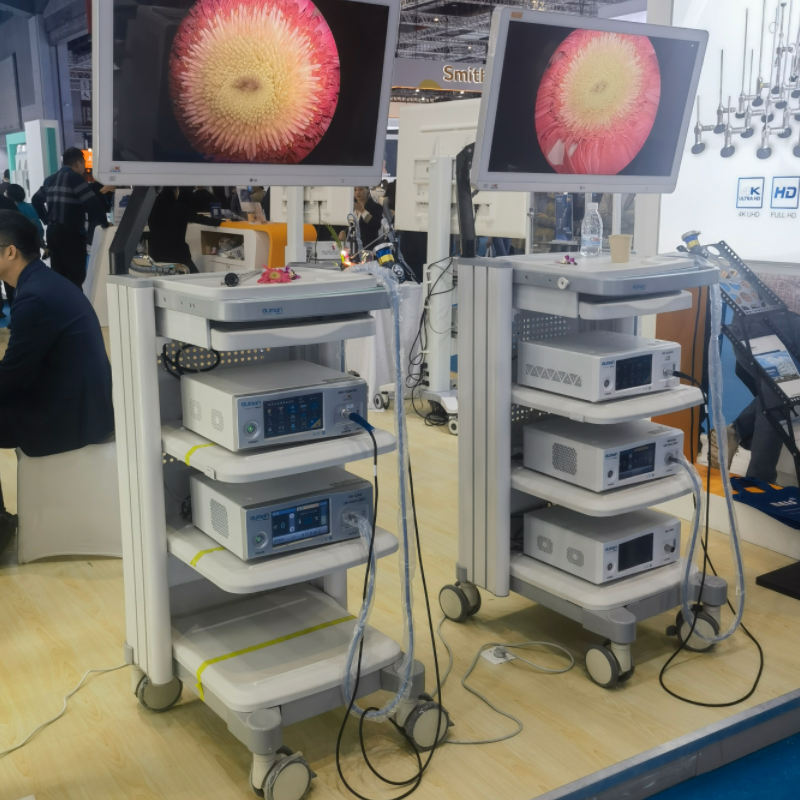
  • How they ensure consistency across batches

5. Do They Have Export Experience?

Export is not just shipping — it requires process and compliance.
👉 What can go wrong:
  • Incorrect packaging
  • Damage during transportation
  • Delays due to missing documents
👉 What to check:
  • Experience with international shipments
  • Ability to provide proper documentation
  • Packaging methods (assembled vs KD, protection standards)

6. Can They Support Factory Inspection or Third-Party Audit?

Transparency reduces risk.
👉 What can go wrong:
  • Hidden production outsourcing
  • Unknown quality standards
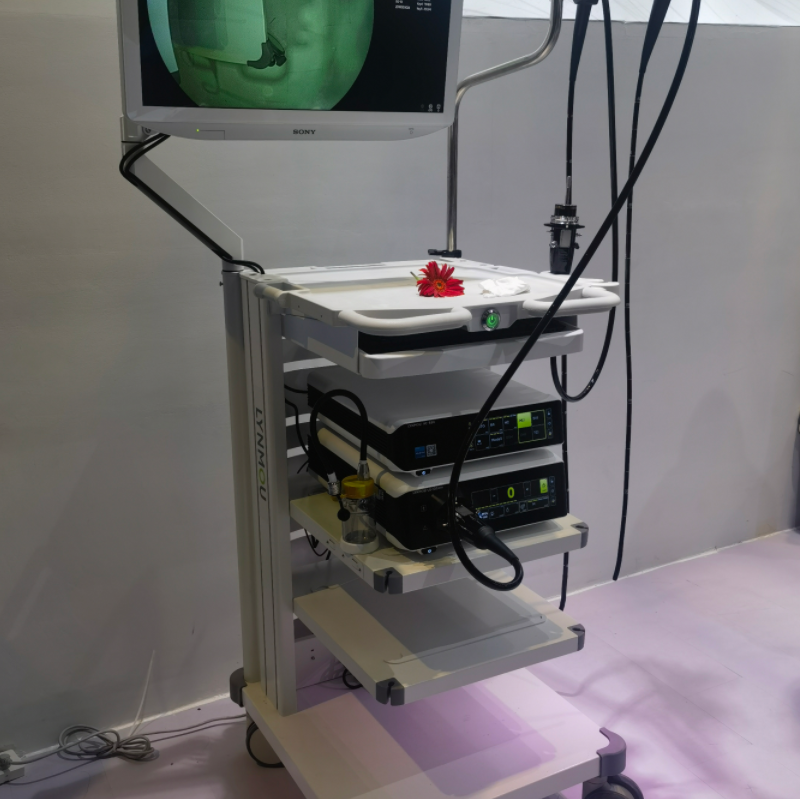
  • Misleading claims
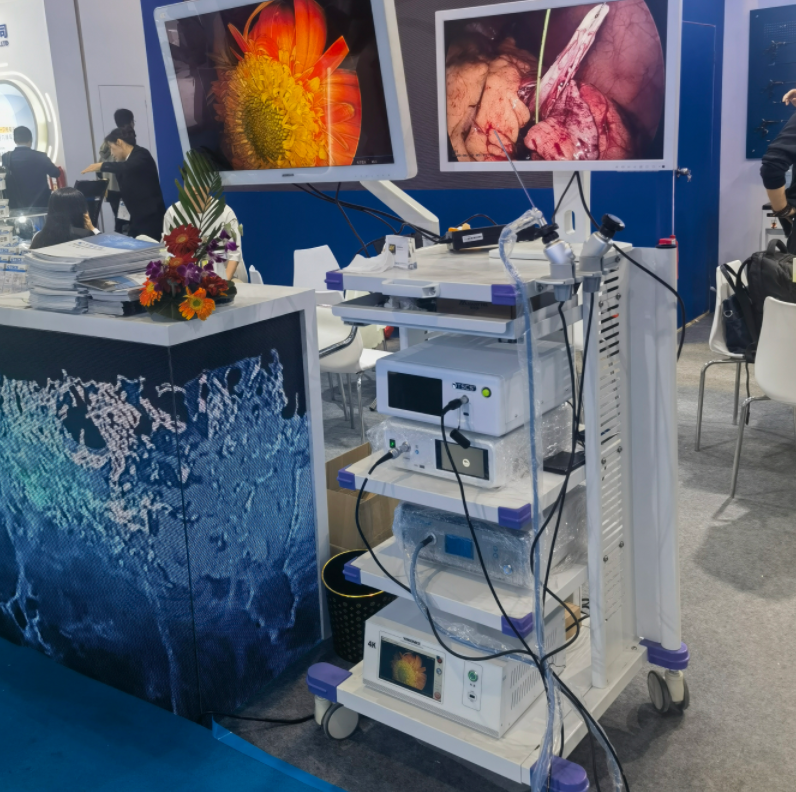
👉 What to check:
  • Whether factory visits are supported
  • Willingness for third-party inspection
  • Openness in showing production process

7. Is the Transaction Structure Safe?

Even a good product can become a bad deal if the transaction is risky.
👉 What can go wrong:
  • Payment risk
  • Delayed production
  • Lack of accountability
👉 What to check:
  • Clear payment terms (deposit + balance)
  • Production timeline and milestones
  • Communication responsiveness and responsibility

Final Summary

👉 At this stage, you are not just confirming a product —
you are confirming a supplier’s ability to deliver it reliably.
👉 A well-chosen supplier ensures:
  • Consistent quality from sample to bulk
  • Smooth production and delivery
  • Fewer unexpected problems after installation
👉 A poor choice, even with a correct product, can still lead to:
  • Delays
  • Quality inconsistency
  • Higher long-term cost

👉 If you need, we can provide:

  • Real project references
  • Production process overview
  • Sample validation and testing support
to help you make a safer decision before placing your order.

Contact Us Now — Get Free Cart Recommendations

Get free standard model recommendations, custom cart plans, and inventory availability directly from the factory.