


Endoscopy Carts for Urology Systems
Subheading: Designed for cystoscopy and ureteroscopy setups, with precise monitor positioning, ergonomic layout, and flexible cart mobility for controlled and efficient urology procedures.
TL;DR – Urology Endoscopy Cart Requirements
- Urology systems focus on precise visualization and controlled navigation within small anatomical areas
- Typical setups include endoscope, camera system, light source, monitor, and supporting cart
- These environments require ergonomic positioning, flexible adjustment, and stable support
- Poor cart design can lead to limited visibility, reduced precision, and operator discomfort
Recommended direction:
- Compact and ergonomic configurations
- Flexible cart systems with precise monitor positioning
What Is Urology Endoscopy?
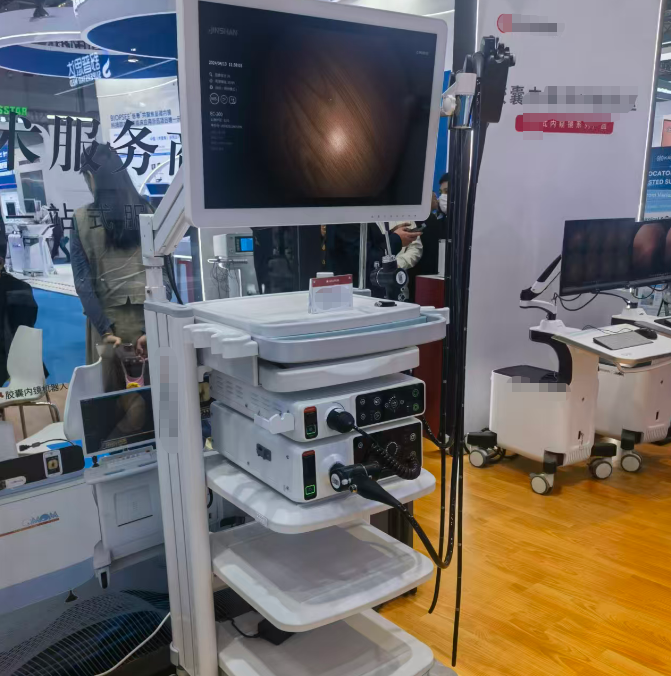
Urology endoscopy is a minimally invasive procedure that uses a flexible or rigid, camera-equipped endoscope to examine and treat the urinary tract.
In real clinical use, it is not a single device, but a coordinated setup where multiple devices work together:
• Endoscope (cystoscope / ureteroscope)
• Camera system
• Light source
• Monitor
• Supporting cart
This creates a precision-focused system used in daily urology procedures, where clear visualization and controlled positioning are critical.
System Setup Overview
A typical urology endoscopy setup functions as an integrated system, where each component supports precise visualization and controlled operation during procedures.
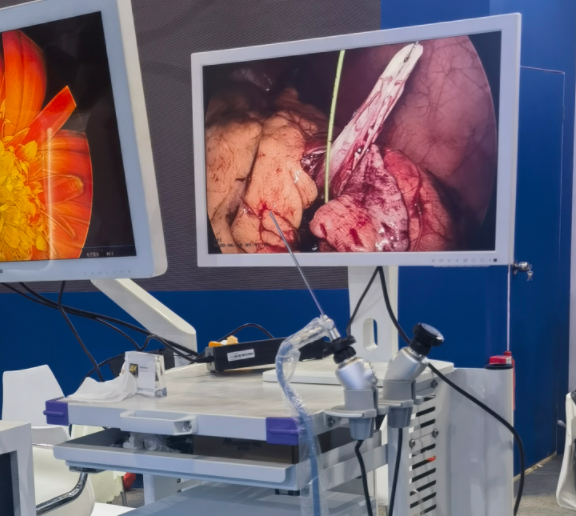
Endoscope
Used to navigate the urinary tract, requiring smooth handling and accurate control in narrow anatomical spaces.
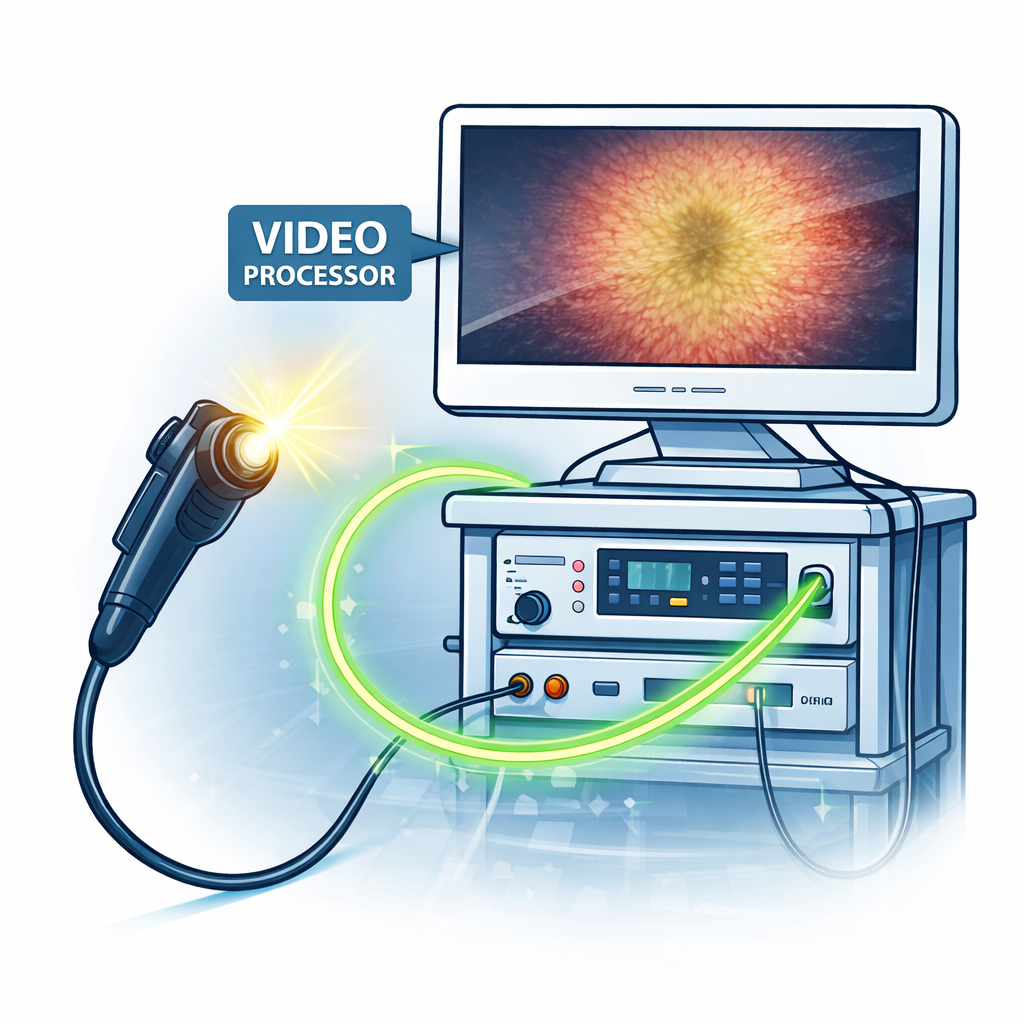
Camera System
Processes signals from the endoscope and delivers clear, real-time images for precise visualization.
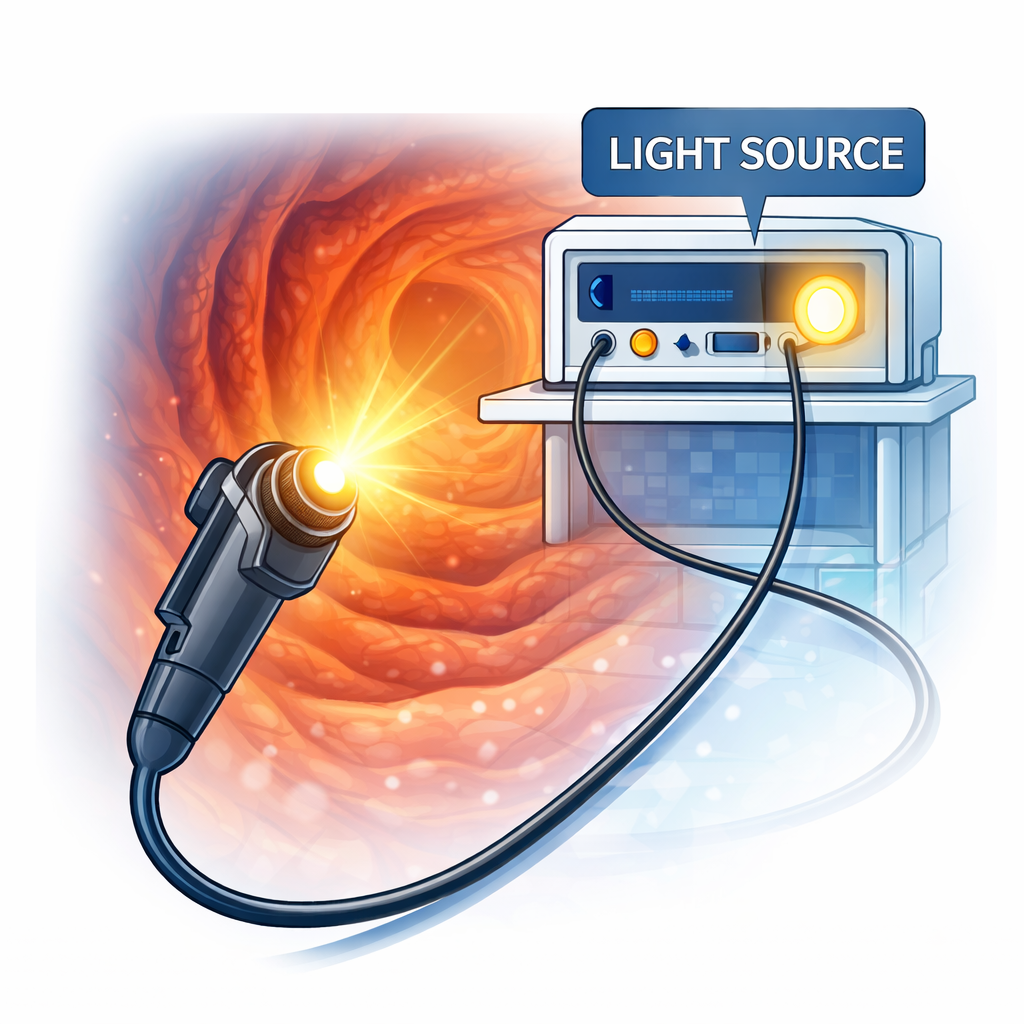
Light Source
Provides consistent illumination in confined internal areas where visibility is critical for accurate operation.
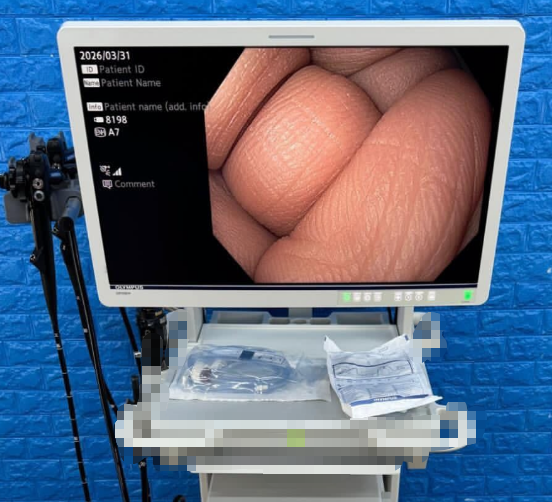
Monitor
Displays live images and must support flexible positioning to maintain optimal viewing angles during procedures.
Cart
Supports and organizes all devices while enabling flexible positioning, ergonomic operation, and smooth movement within limited clinical spaces.
Workflow Integration
Together, these components form a precision-driven workflow:
The endoscope navigates → the camera system processes → the light source illuminates → the monitor displays → and the cart enables positioning, movement, and system stability.
The cart is not just a support structure — it acts as the central platform that ensures precise positioning, ergonomic efficiency, and controlled operation of the entire system.
What Makes Urology Endoscopy Systems Different?
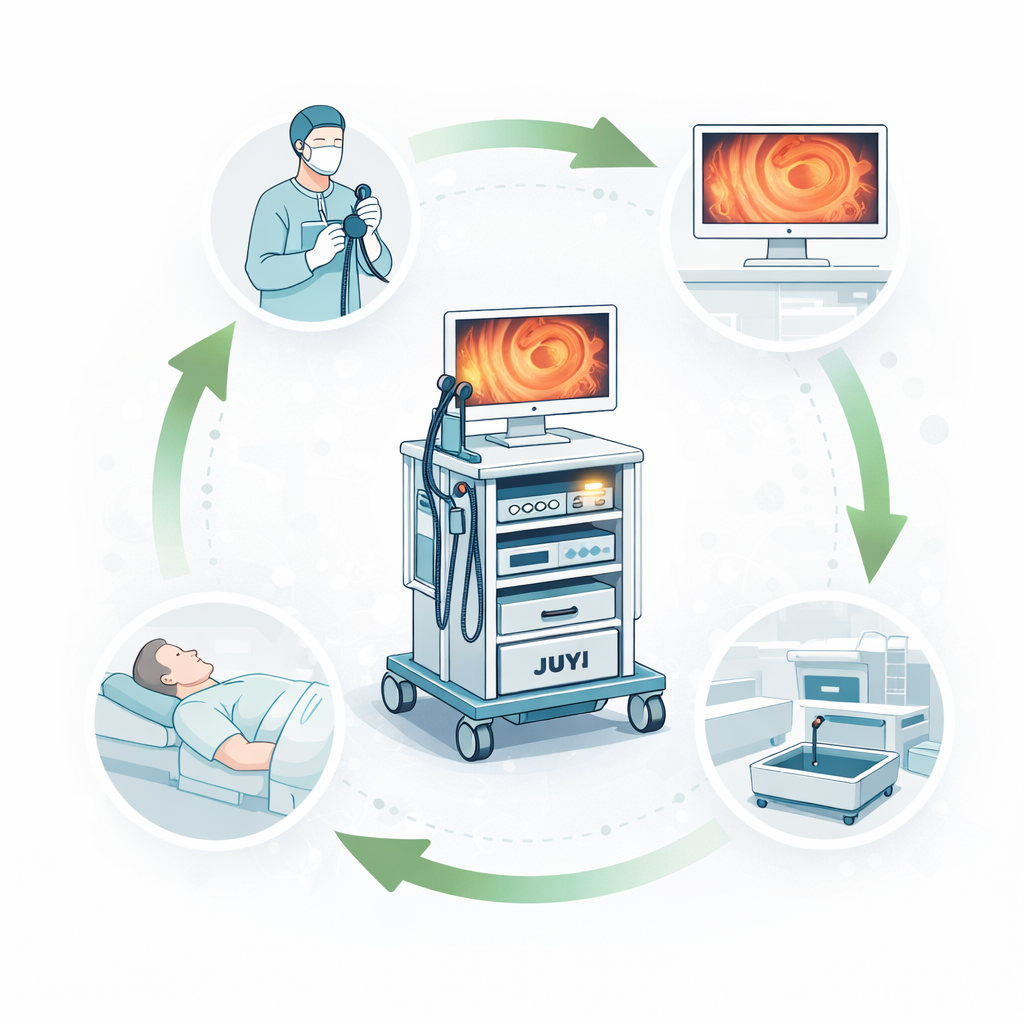
1. Continuous, High-Frequency Workflow
Urology procedures require highly accurate navigation within confined anatomical structures such as the urinary tract.
- Even minor positioning errors can affect outcomes
- Equipment must support fine control and stable positioning
- System setup directly influences procedural accuracy
2. High Dependence on Visualization
Clear and stable imaging is essential for identifying fine details and guiding precise movements.
- Visualization quality directly impacts clinical decisions
- Monitor positioning must adapt to operator posture
- Poor viewing angles can reduce accuracy and increase fatigue
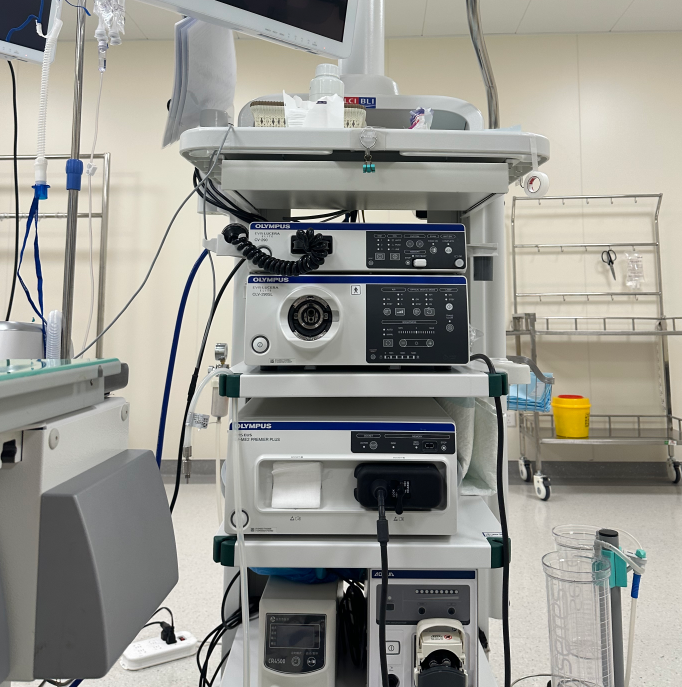
3. Flexible Positioning and Workflow
Urology procedures often require frequent adjustments in positioning during operation.
- Equipment may need to be repositioned during procedures
- Setup must allow quick adaptation without disruption
- Mobility and flexibility are essential for efficient workflow
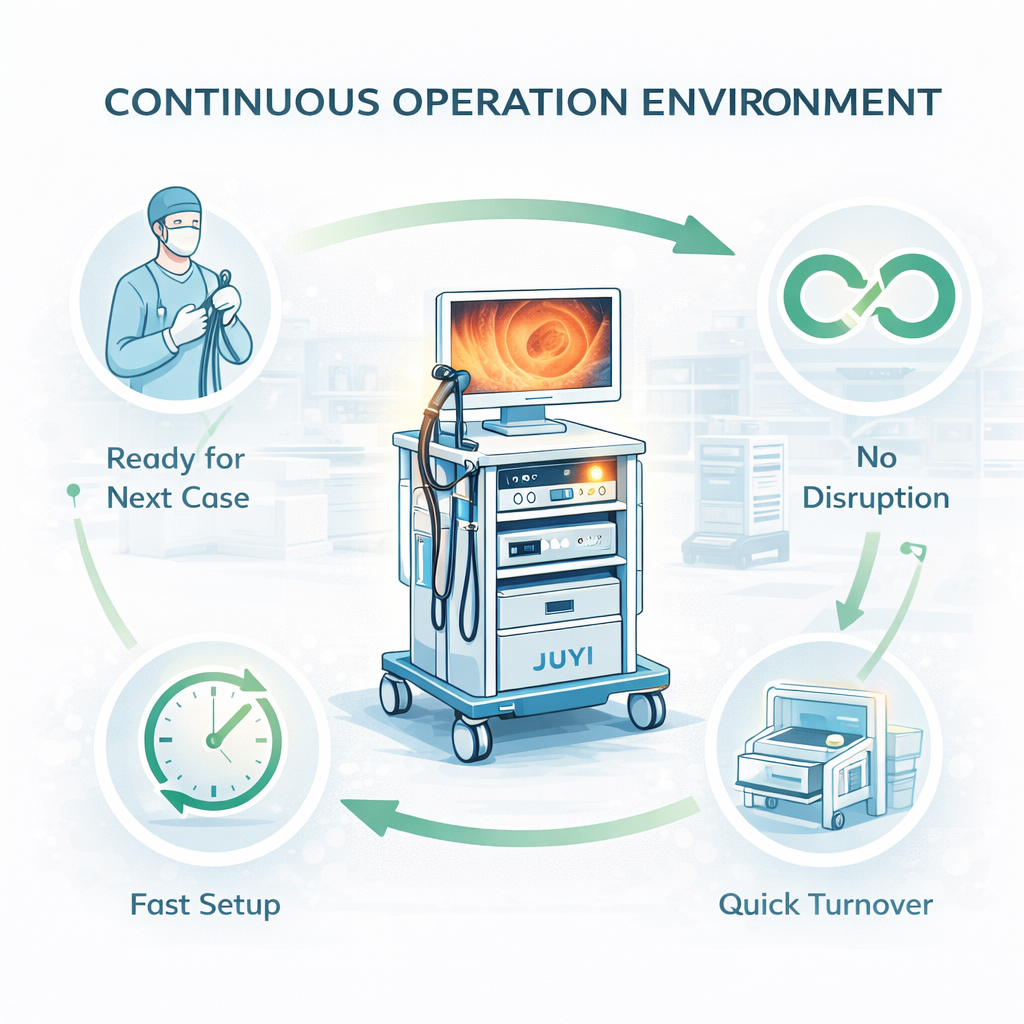
4. Strong Ergonomic Requirements
Sustained precision work places high demands on operator comfort and control.
- Ergonomics directly affects performance and efficiency
- Poor setup can lead to fatigue and reduced precision
- Adjustable components improve workflow consistency
5. Controlled Device Integration
Urology setups involve fewer devices than high-volume systems, but still require coordinated operation.
- Devices must work seamlessly together
- Overly complex setups can reduce usability
- Focus is on precision and control rather than system scale
Key Difference from ENT Systems
Compared to ENT setups, urology systems require deeper procedural access, more stable positioning, and greater control within confined internal pathways, making precision and ergonomic support more critical.
Difference from High-Volume Systems (e.g., GI)
Unlike systems designed for continuous, high-frequency workflows, urology setups focus more on precision, visualization accuracy, and operator control rather than throughput and multi-device scale.
What Challenges Do Buyers Face in Pulmonology Systems?
Common issues affecting positioning accuracy, system control, and workflow efficiency in ureteroscopy devices.
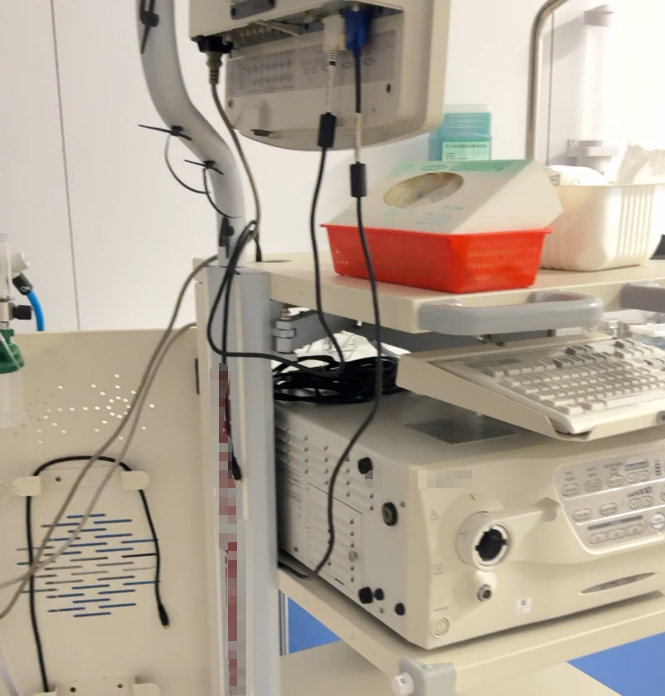
1. Monitor Positioning Limitations
In bronchoscopy, the viewing angle directly affects how the scope is guided.
- Fixed or poorly adjustable monitors limit visibility
- Operators may struggle to maintain a stable viewing angle
- Reduced visibility impacts positioning accuracy and control
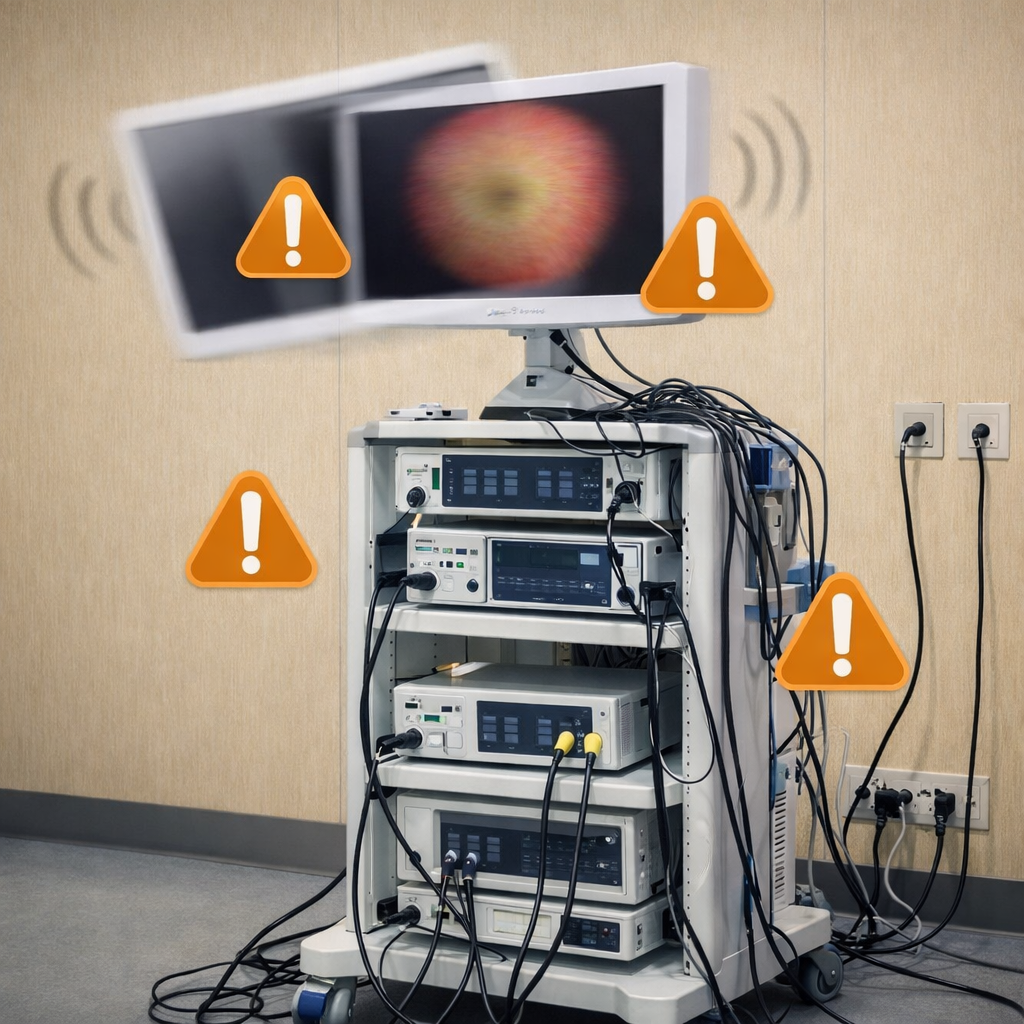
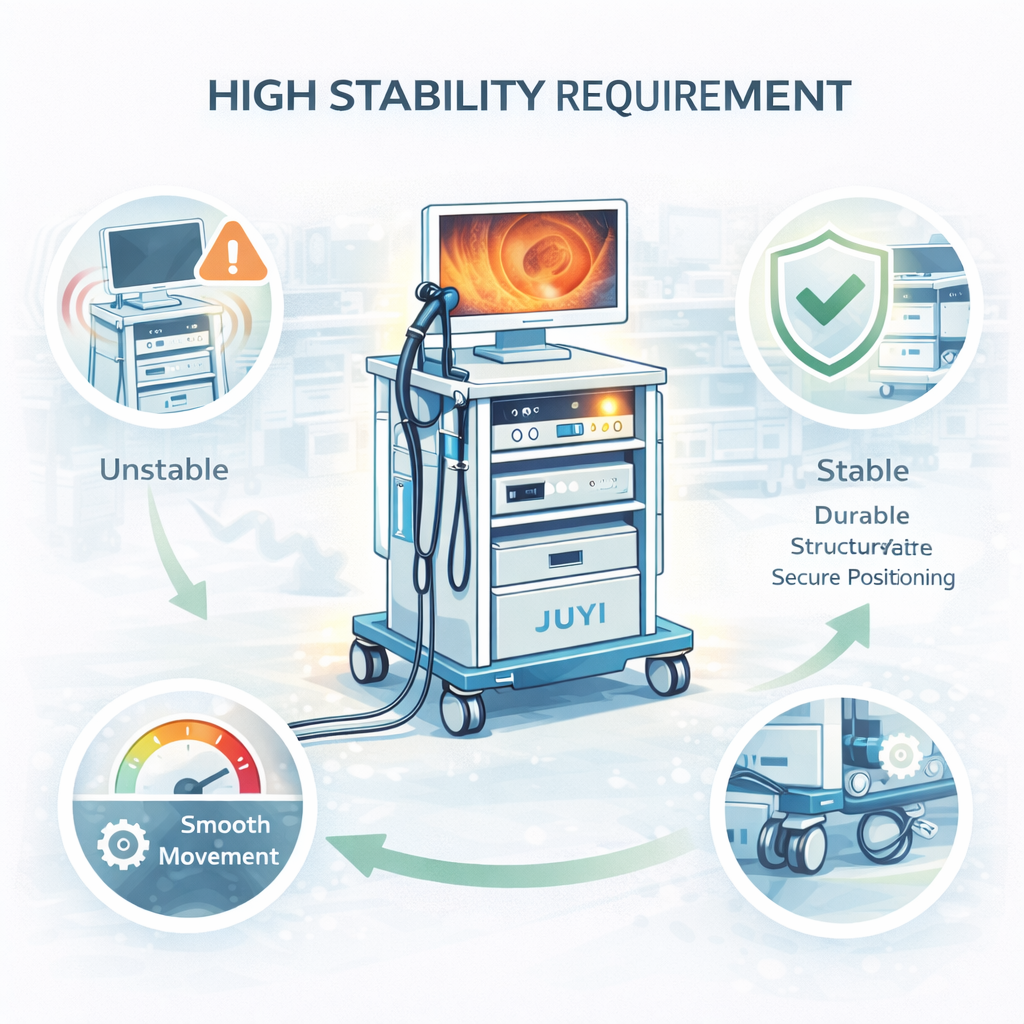
2. Unstable Cart Movement
Pulmonology procedures often require small, controlled movements.
- Even slight cart movement can affect scope positioning
- Poor locking systems reduce overall stability
- Instability interferes with procedural precision
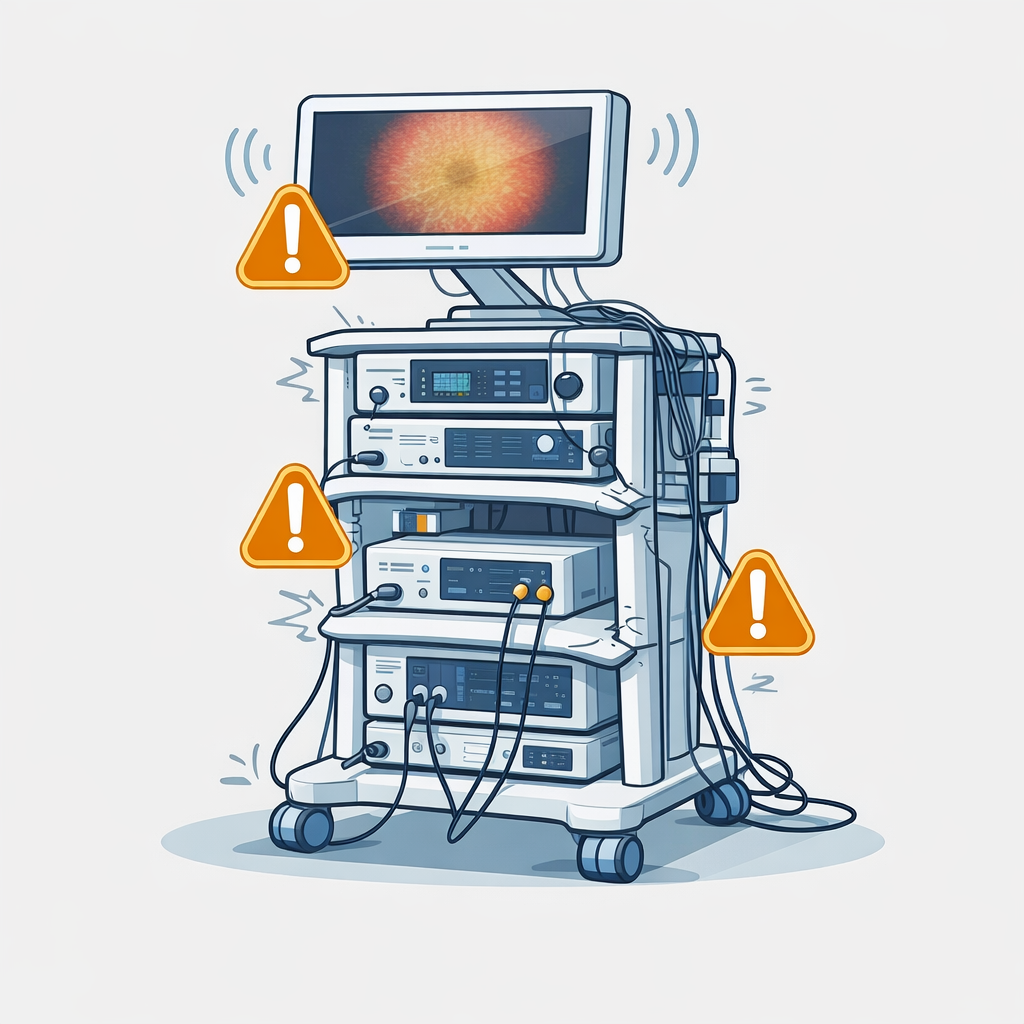
3. Limited Space Constraints
Bronchoscopy is frequently performed in compact or shared rooms.
- Oversized carts restrict movement and access
- Poor layout reduces positioning flexibility
- Limited space increases setup complexity
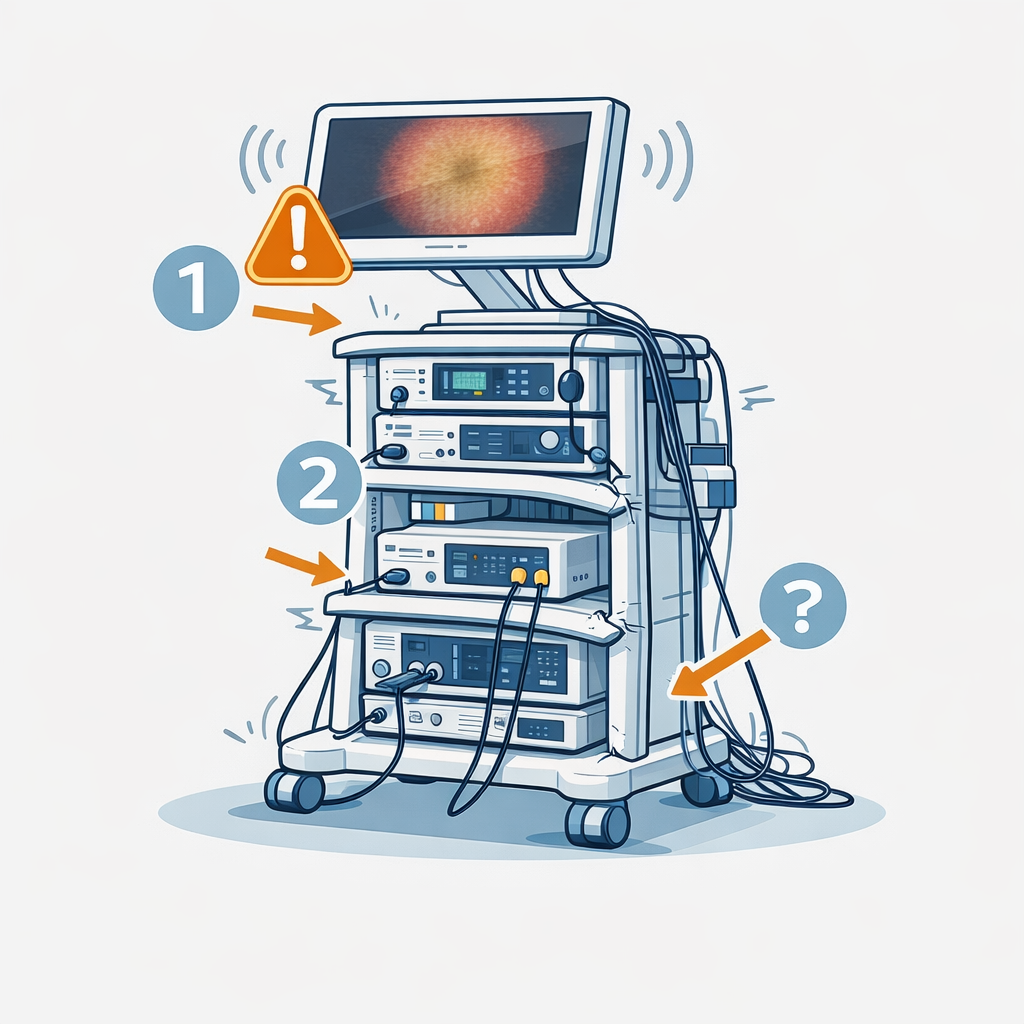
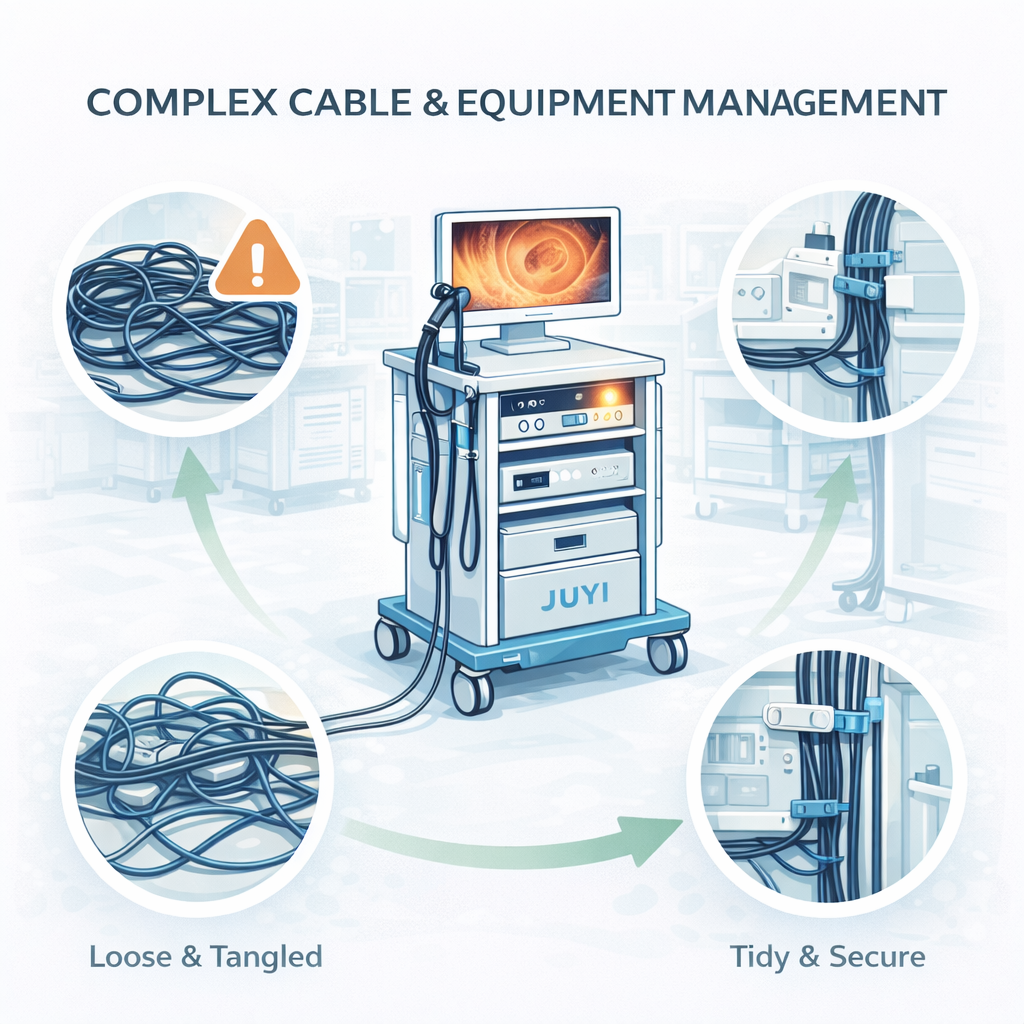
4. Cable Interference
Multiple connected devices can create cable interference in tight spaces.
- Cables may obstruct movement during procedures
- Poor routing affects positioning and workflow
- Tangling increases adjustment time
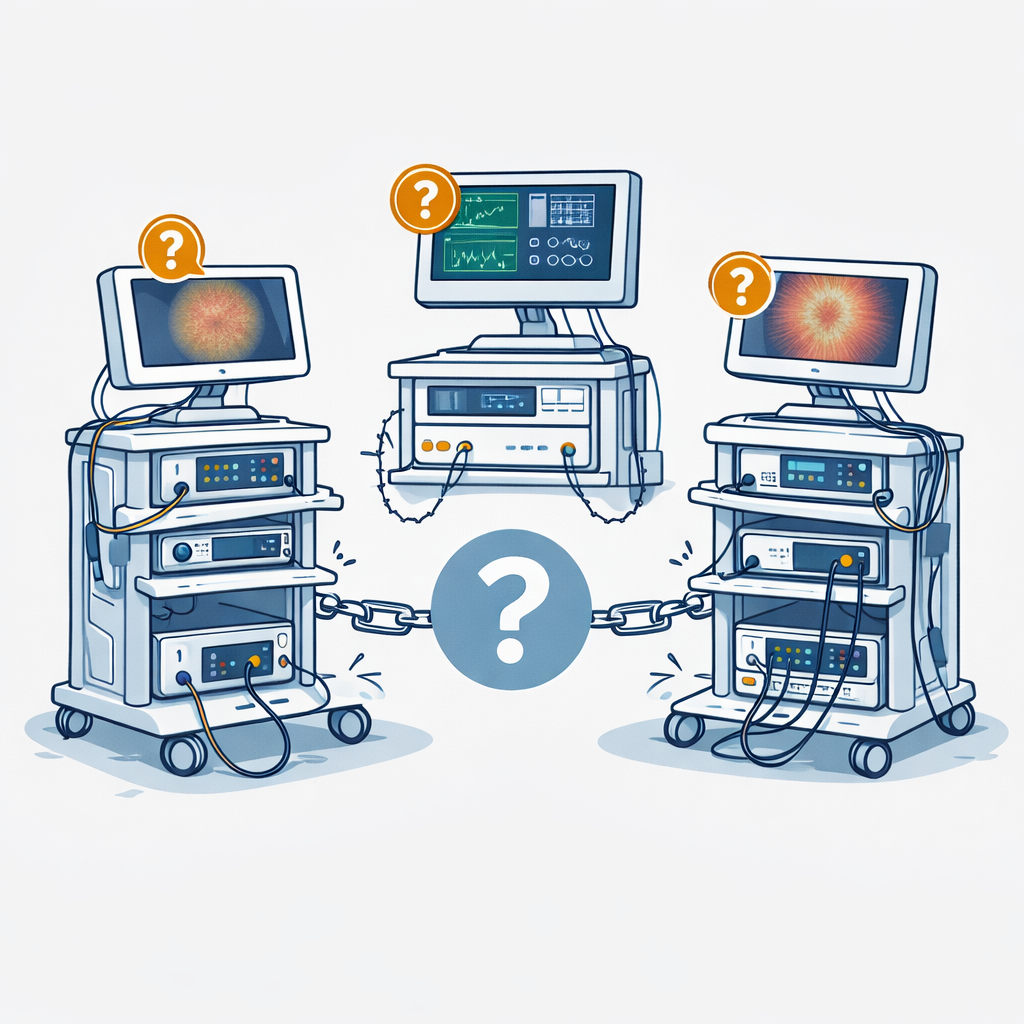
5. Poor System Positioning Design
Improper system positioning can lead to repeated adjustments during procedures.
- Devices may not be easily accessible
- Frequent repositioning interrupts workflow
- Inconsistent setup reduces efficiency and control
Key Takeaway
In urological systems, most challenges stem from motion control, positioning accuracy, and spatial constraints, rather than from system scale or the number of devices.
What Type of Cart Works Best for Urology Applications?
Not all standard carts are suitable for urology workflows.
Urology setups require precise positioning, ergonomic control, and stable operation during delicate procedures.
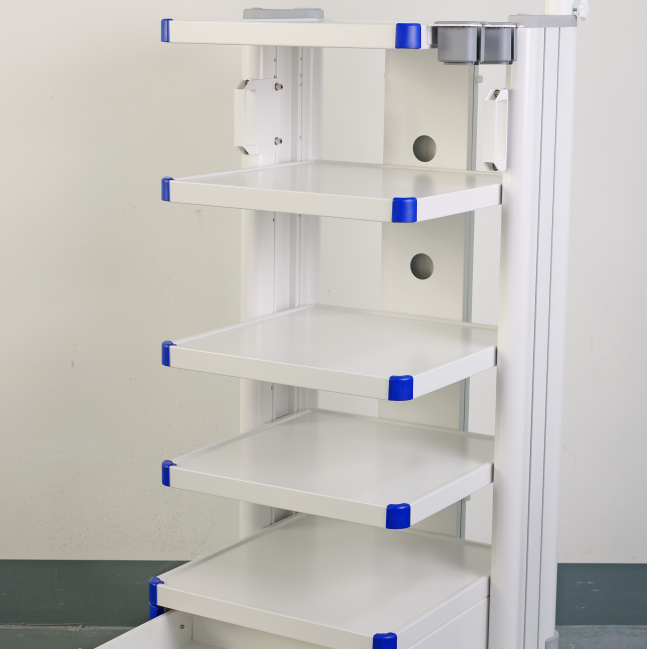
Precision-Controlled Structure → Supports Accurate Positioning
- Allows fine positioning adjustments without overshooting
- Supports stable and controlled device handling
- Improves accuracy during delicate procedures
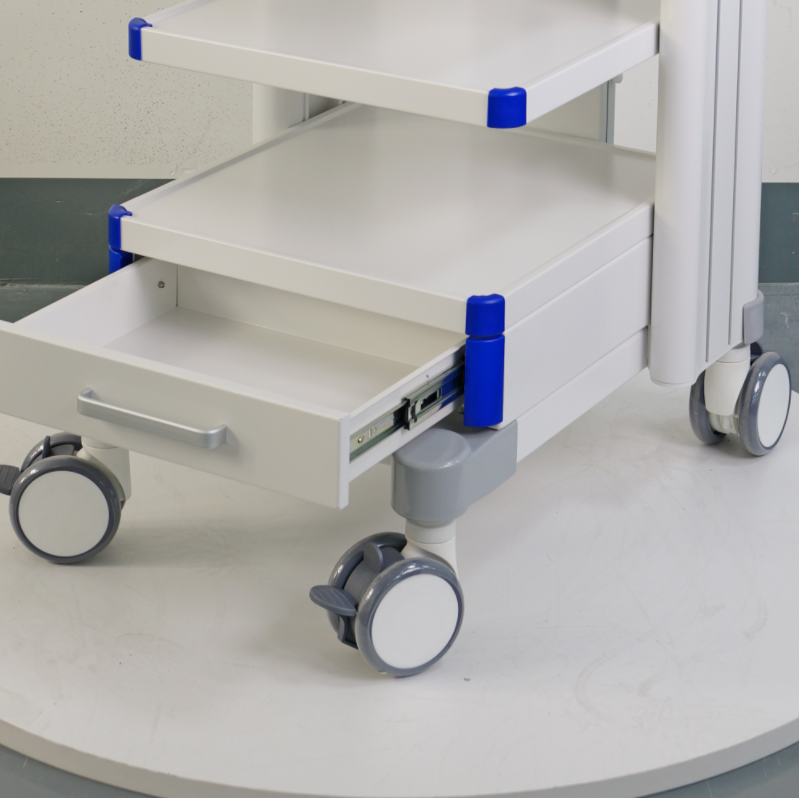
Stable Base → Ensures Consistent Control
- Prevents unintended movement during operation
- Maintains consistent positioning over time
- Enhances procedural confidence and stability
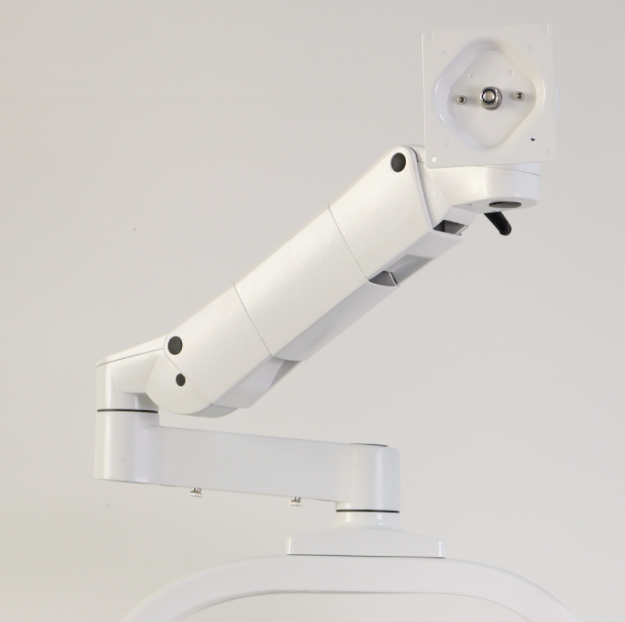
Adjustable Monitor Arm → Critical for Visualization
- Enables precise adjustment of viewing angle and height
- Adapts to different operator positions
- Maintains clear and consistent visualization
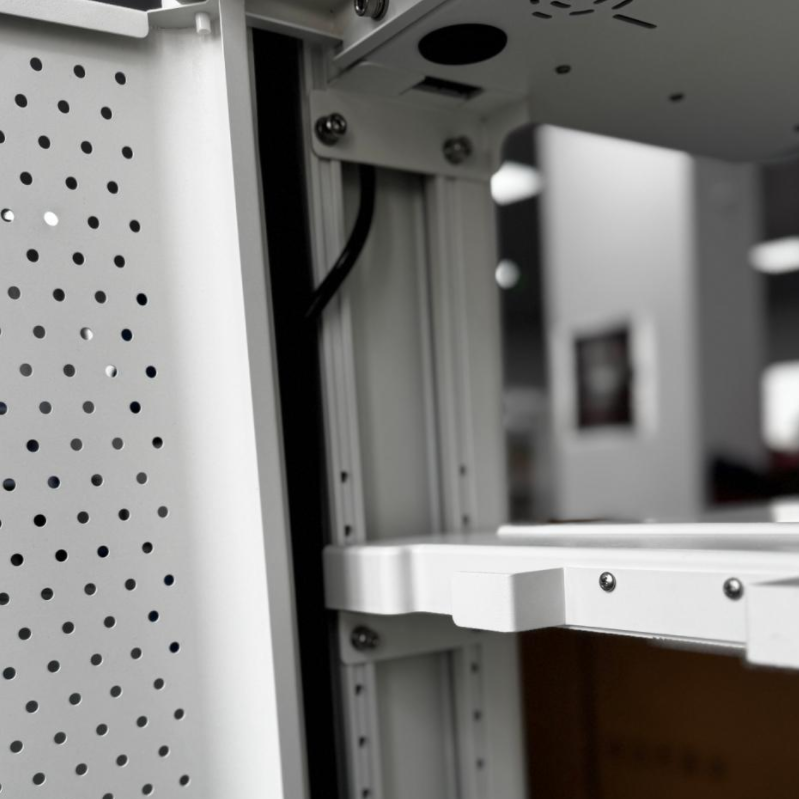
Compact & Ergonomic Layout → Improves Accessibility
- Keeps devices within easy reach
- Reduces unnecessary movement during procedures
- Supports efficient and intuitive operation
Organized Cable Management → Maintains Clean Operation
- Prevents cable interference during precise movements
- Keeps workspace structured and organized
- Supports smooth and uninterrupted workflow
Recommended Setup Direction (Guidance, Not Selection)
This guide helps you identify a suitable setup direction based on real urology workflow conditions.
It does not replace detailed configuration selection.
Suggested Direction Based on Urology Workflow Scenarios
| Your Situation | Typical Urology Scenario | Suggested Direction |
| Small procedure room | Limited space, basic urology procedures | Compact cart with ergonomic layout and easy device access |
| Standard urology room | Routine cystoscopy or ureteroscopy | Stable cart with adjustable monitor positioning and intuitive layout |
| Precision procedures | Fine navigation in narrow anatomical pathways | Precision-focused setup with enhanced positioning control and stability |
| Hospital urology department | Multiple rooms, varying procedure types | Flexible cart system adaptable to different clinical environments |
| Distributor / OEM project | Custom urology or endoscopy integration | Application-specific customization based on ergonomic and workflow needs |
How to Choose the Right Direction
- Focus on positioning accuracy, not just device capacity
- Prioritize ergonomic layout and operator comfort
- Ensure monitor positioning supports clear and consistent visualization
- Choose a setup that minimizes unnecessary movement during procedures
Most urology setups require a balance between precision, ergonomic control, and stable positioning.
How to Customize for Your Urology Setup
Most urology setups require a certain level of customization to support precise positioning, ergonomic operation, and consistent performance during delicate procedures.
What Usually Needs to Be Customized
Monitor Positioning
- Urology procedures rely on clear visualization in narrow anatomical pathways
- If monitor positioning is fixed → limited viewing angles and reduced accuracy
Cart Stability & Fine Control
- Procedures require controlled, precise movements
- If the cart is too rigid → difficult to make fine positioning adjustments
- If too loose → reduced stability and positioning accuracy
Compact & Ergonomic Layout
- Devices must be arranged for easy access and minimal movement
- Poor layout → inefficient workflow and operator discomfort
Cable Management
- Multiple connected devices require clean and structured routing
- Poor cable organization → interference during precise operations
Device Positioning
- Equipment should follow a logical and ergonomic workflow order
- Poor positioning → repeated adjustments and reduced efficiency
Simple Rule
If your setup involves precision-focused procedures with frequent fine adjustments, a standard cart is often not sufficient.
Tell us your urology setup — we can help define a configuration that improves precision, ergonomics, and overall control.
FAQ – Urology Endoscopy Cart Setup
In basic cases, partially.
However, urology procedures require precise positioning, ergonomic control, and stable visualization — which standard carts often cannot fully support.
You should focus on:
- Whether the cart supports precise positioning adjustments
- If the monitor can be easily adjusted for different viewing angles
- Whether the layout allows ergonomic and intuitive operation
- If the cart provides stable support during delicate procedures
Positioning accuracy is critical.
Urology procedures involve navigation in narrow anatomical pathways, where even small positioning deviations can affect visualization and procedural outcomes.
Most carts can be adapted to support different brands and configurations.
However, compatibility depends on:
- Device dimensions and mounting requirements
- Cable routing and connection layout
- Overall system integration and positioning needs
Customization is recommended when:
- Procedures require frequent fine positioning adjustments
- Standard layouts do not support ergonomic operation
- Multiple devices need to be integrated in a controlled setup
- Higher precision and stability are required
Take Action Today
Get free standard model recommendations, custom cart plans, and inventory availability directly from the factory.