 Skip to content
Surgical Endoscopy Cart Solutions for Operating Rooms
Designed to support multi-device integration, stable system performance, and continuous operation in complex surgical environments.
TL;DR – Surgical Endoscopy Cart Requirements
- Surgical endoscopy systems involve multiple devices operating together in coordinated procedures
- These environments require stable system support, reliable device integration, and consistent performance during long procedures
- These environments require stable system support, reliable device integration, and consistent performance during long procedures
- Poor cart design can lead to system instability, device interference, and increased operational risk
Recommended direction:
- Integrated cart systems designed for multi-device coordination
- Stable and reliable configurations that support continuous surgical operation
What Is Surgical Endoscopy?

Surgical endoscopy refers to minimally invasive procedures performed in operating rooms using camera-based systems to visualize and treat internal structures.
Unlike diagnostic endoscopy, surgical procedures often involve multiple coordinated devices working simultaneously to support both visualization and intervention.
In real surgical environments, the system is not a single device, but an integrated setup where multiple components function together:
- Endoscope (rigid or flexible)
- Camera system
- Light source
- Monitor
- Insufflator or energy devices (depending on procedure)
- Supporting cart system
This creates a system-dependent environment where stability, device coordination, and uninterrupted operation are critical for maintaining procedural safety and consistency.
System Setup Overview
A typical surgical endoscopy setup is designed to support coordinated device operation during complex procedures, where each component contributes to system stability and continuous performance.

Endoscope
Provides real-time internal visualization
Used for both observation and surgical intervention

Camera System
Captures and transmits visual data from the endoscope
Ensures consistent image quality throughout procedures

Light Source
Delivers stable illumination for surgical fields
Maintains visibility during prolonged operation
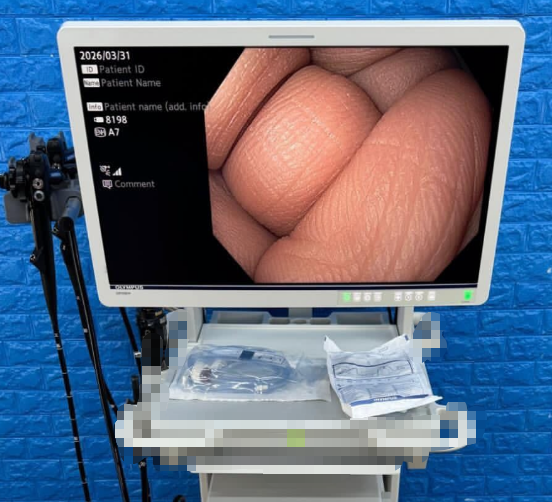
Monitor
Displays real-time surgical images
Supports clear viewing for the entire surgical team
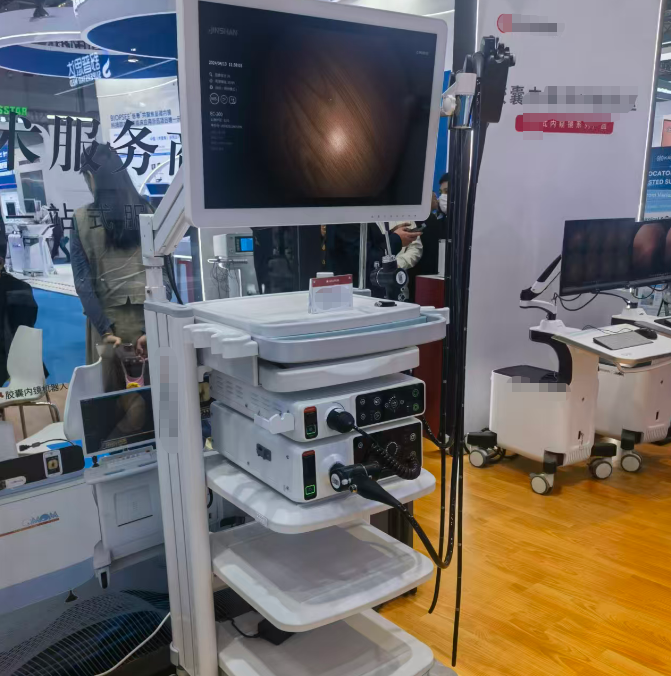
Cart
Integrates and supports multiple devices
Maintains system stability and organized structure during procedures
System Workflow
Together, these components form a coordinated surgical system:
The endoscope visualizes → the camera captures → the light source illuminates → the monitor displays → and the cart supports system integration and stable operation
Key Takeaway
The cart is not just a support structure — it serves as the foundation for device integration, system stability, and continuous operation in surgical environments.
What Makes Surgical Endoscopy Systems Different?
1. Multi-Device Integrated Operation
Surgical endoscopy involves multiple devices working simultaneously during procedures.
Each component must function as part of a coordinated system rather than independently.
The setup must support seamless integration across all connected equipment.

2. System Stability During Long Procedures
Surgical procedures can be time-intensive and continuous.
The system must maintain stable performance without interruption.
Any instability can affect overall system reliability and procedural safety.

3. High Demand for Device Coordination
Multiple devices such as cameras, light sources, and surgical tools operate together.
Their interaction must remain synchronized throughout the procedure.
Poor coordination can disrupt system performance and surgical flow.
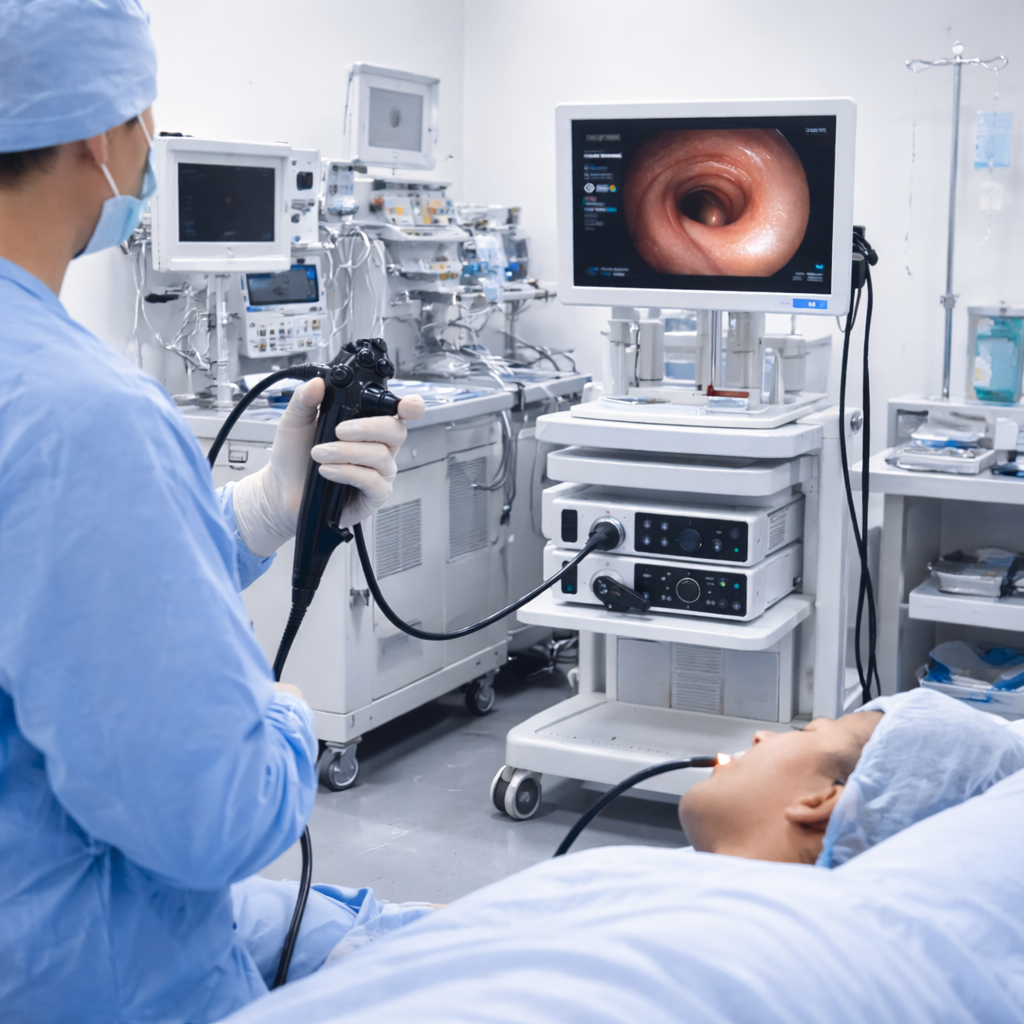
4. Support for Complex Surgical Environments
Surgical endoscopy is typically performed in operating rooms with advanced equipment.
The setup must accommodate various devices and configurations within a structured environment.
System organization is essential to maintain clarity and control.
5. Continuous Operation with Minimal Interruption
Procedures require consistent system availability without frequent adjustments.
The setup must support uninterrupted operation across all devices.
Any disruption can impact procedural efficiency and safety.
Compared to other endoscopy applications:
Surgical endoscopy systems place greater emphasis on system integration, device coordination, and operational stability, rather than individual device positioning or localized control.
What Challenges Do Buyers Face in Surgical Endoscopy Systems?
Common issues that affect system stability, device coordination, and continuous operation in surgical environments.

System Integration Complexity
Difficult to manage multiple devices within one system
Surgical setups often involve cameras, light sources, monitors, and additional surgical equipment operating together.
Without proper integration, devices may function independently rather than as a coordinated system.
This can lead to inefficiencies, connection issues, or inconsistent system behavior.

Device Coordination Issues
Reduces efficiency in multi-device operation
Multiple devices must work together in real time.
Poor layout or lack of coordination can result in delays, misalignment, or operational interruptions.
This affects the smooth execution of surgical procedures.

Cable and Equipment Complexity
Creates clutter and potential interference
Surgical systems often include numerous cables and connected devices.
Without proper cable management, the setup can become disorganized and difficult to manage.
This may increase the risk of interference or operational disruption.

Limited Adaptability Across Surgical Scenarios
Difficult to support different procedures and room setups
Surgical environments may vary depending on procedure type or operating room configuration.
Rigid or non-modular cart designs can limit flexibility and require frequent reconfiguration.
This can reduce efficiency and increase setup time.
Surgical endoscopy systems face challenges primarily related to system integration, stability, and coordinated operation, rather than individual device positioning or localized adjustments.
What Type of Cart Works Best for Surgical Applications?
Not all standard carts are suitable for surgical endoscopy systems.
Surgical environments require structured integration, stable performance, and reliable support for multiple devices operating together.
Integrated System Structure → Supports Multi-Device Operation
- Designed to accommodate multiple devices within one coordinated system
- Ensures organized placement of cameras, light sources, and surgical equipment
- Reduces system fragmentation and improves overall reliability

Reinforced Stability → Maintains System Performance
- Provides a solid platform for continuous surgical procedures
- Minimizes vibration or unintended movement during operation
- Supports consistent device performance over extended use

Modular Configuration → Adapts to Different Surgical Needs
- Allows flexible configuration based on procedure type
- Supports integration of additional devices such as insufflators or energy systems
- Enables scalable system setup without compromising structure
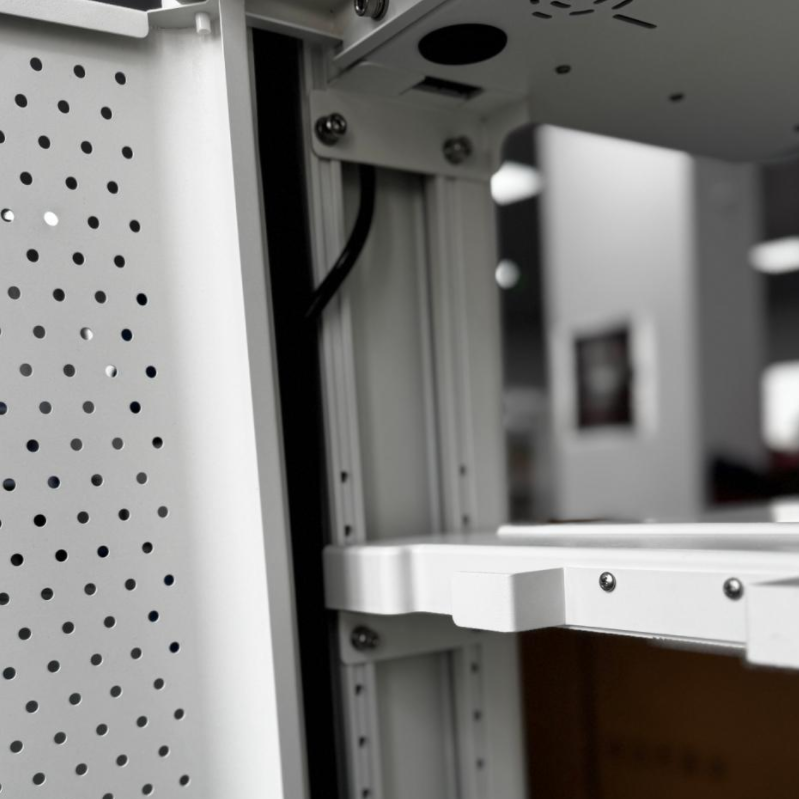
Structured Cable Management → Ensures System Clarity
- Organizes multiple cables within a defined structure
- Reduces interference between connected devices
- Maintains a clean and controlled operating environment

Load Capacity & Device Support → Handles Complex Equipment
- Supports multiple devices with varying sizes and weights
- Maintains balance and structure under full system load
- Ensures safe and stable equipment placement
The most suitable carts for surgical applications are those designed for system integration, structural stability, and coordinated multi-device operation, rather than lightweight mobility or individual adjustability.
Recommended Setup Direction (Guidance, Not Selection)
This guide helps identify a suitable setup direction based on real surgical environment requirements.
It does not replace detailed system configuration.
Suggested Direction Based on Surgical Scenarios
| Your Situation | Typical Surgical Scenario | Suggested Direction |
| Small procedure room | Basic minimally invasive procedures with limited equipment | Compact integrated cart with essential device support and stable structure |
| Standard operating room | Routine surgical procedures with multiple devices | Fully integrated cart system with stable platform and organized device layout |
| Advanced surgical procedures | Complex operations requiring multiple coordinated devices | High-capacity system with reinforced stability and multi-device integration support |
| Multi-room hospital use | Shared equipment across different operating rooms | Modular cart system adaptable to different surgical setups and device combinations |
| Distributor / OEM project | Customized surgical system integration requirements | Application-specific cart design based on device configuration and system complexity |
How to Choose the Right Direction
- Focus on system integration, not just individual device placement
- Consider the number of devices that need to operate simultaneously
- Prioritize structural stability for continuous surgical procedures
- Ensure the system can support different surgical configurations
- Evaluate cable management and overall system organization
Most surgical endoscopy setups require a balance between system integration, structural stability, and adaptability to complex surgical environments.
How to Customize for Your Surgical Setup
Most surgical endoscopy systems require customization to ensure stable multi-device integration, structured system organization, and reliable performance during complex procedures.
What Usually Needs to Be Customized
System Integration Layout
- Surgical setups often involve multiple interconnected devices
- Equipment must be arranged to support coordinated operation
- Poor integration → fragmented system performance and inefficiency
Structural Stability & Load Support
- Surgical systems require strong and stable support structures
- The cart must handle multiple devices without compromising balance
- Insufficient stability → affects system reliability during procedures
Modular Configuration
- Different surgical procedures require different device combinations
- Modular design allows flexible system expansion or adjustment
- Fixed configurations → limit adaptability across surgical scenarios
Cable & Power Management
- Multiple devices require organized cable routing and power distribution
- Structured cable management reduces interference and confusion
- Disorganized cables → increase risk of disruption and operational issues
Device Arrangement & Accessibility
- Devices should be placed in a logical and accessible system layout
- Supports coordinated use across multiple devices during procedures
- Poor arrangement → slows down operation and reduces system efficiency
Simple Rule
If your setup involves multiple devices operating together in a surgical environment, a standard cart is usually not sufficient.
Tell us your surgical setup — we can help define a reliable and fully integrated surgical cart solution.
FAQ – Surgical Endoscopy Cart Setup
In basic setups, partially.
However, surgical environments typically involve multiple devices operating together.
Standard carts often lack the structural stability, integration capacity, and organization required for coordinated system performance.
You should consider the number of devices, system integration requirements, and overall setup complexity.
It is important to ensure the cart can support stable operation, organized device placement, and reliable performance throughout procedures.
Surgical procedures often require continuous operation over extended periods.
Any instability in the cart or system structure can affect device performance and overall reliability, potentially impacting procedural outcomes.
In most cases, yes — but compatibility depends on configuration.
A well-designed surgical cart should support different device combinations and allow flexible integration based on specific system requirements.
Customization is recommended when multiple devices need to operate together or when the setup varies across procedures.
If system integration, stability, and adaptability are critical, a standard cart is usually not sufficient.
Take Action Today
Get free standard model recommendations, custom cart plans, and inventory availability directly from the factory.
